Asia Europe Airfares Surge as Gulf Airport Closures Disrupt Global Flight Routes
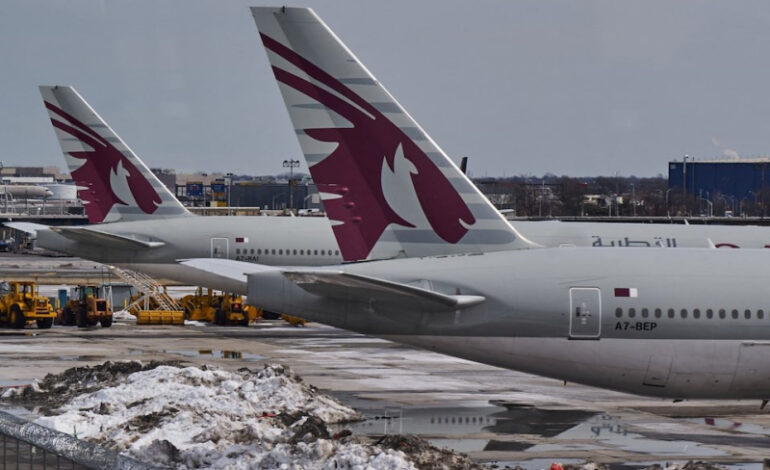
Airline ticket prices between Asia and Europe have surged sharply following the closure of major Gulf aviation hubs amid escalating conflict in the Middle East. With key transit airports suspended for several consecutive days, seat capacity on heavily traveled routes has tightened, leaving flights sold out and fares significantly elevated.
Dubai International Airport, one of the world’s busiest international transit centers handling more than one thousand daily flights under normal conditions, remains closed alongside other regional hubs. The shutdown has disrupted traditional connecting routes linking Australia, China and Southeast Asia with major European destinations such as London and Paris. Gulf carriers that typically dominate long haul transit traffic are unable to operate through their primary bases, forcing airlines and passengers to seek alternative routings.
Travel agencies report a dramatic spike in customer inquiries. Australia based Flight Centre has seen a seventy five percent increase in calls to its service lines as travelers scramble to rebook disrupted journeys. Many passengers are rerouting through East Asian hubs including Hong Kong and Singapore or opting for longer connections through North America.
Airlines operating nonstop Asia Europe services or using alternative airspace corridors are experiencing a temporary demand boost. Carriers such as Cathay Pacific and Singapore Airlines have seen bookings surge as travelers avoid Middle Eastern transit points. However, limited seat availability has pushed fares to unusually high levels for near term departures.
Online booking checks show that economy class seats on key routes are largely unavailable for several days. One way fares from Hong Kong to London have reached more than 21000 Hong Kong dollars for limited availability, significantly above typical pricing later in the month. On routes from Sydney to London, economy seats are scarce, with passengers offered higher priced options involving extended detours through cities such as Los Angeles or Johannesburg.
Thai Airways has reported fully booked Europe bound flights as tourists prioritize direct routes over connections in affected regions. Similar patterns are visible among Taiwan and mainland Chinese carriers, where near term departures to the United Kingdom are either sold out or priced substantially higher than historical averages.
Industry analysts note that while airlines can bypass restricted Middle Eastern airspace by flying north via the Caucasus and Central Asia or south through Egypt and the Arabian Peninsula, these detours add flight time and increase fuel consumption. With oil prices also rising, operating costs are climbing, creating upward pressure on fares beyond the immediate disruption period.
The combination of constrained capacity, rerouting expenses and heightened demand is reshaping Asia Europe aviation flows. If Gulf hubs remain closed for an extended period, airlines may need to adjust schedules and pricing strategies further, potentially prolonging elevated ticket costs across major intercontinental corridors.