China strengthens energy security strategy with stable oil and gas output targets in new five year plan
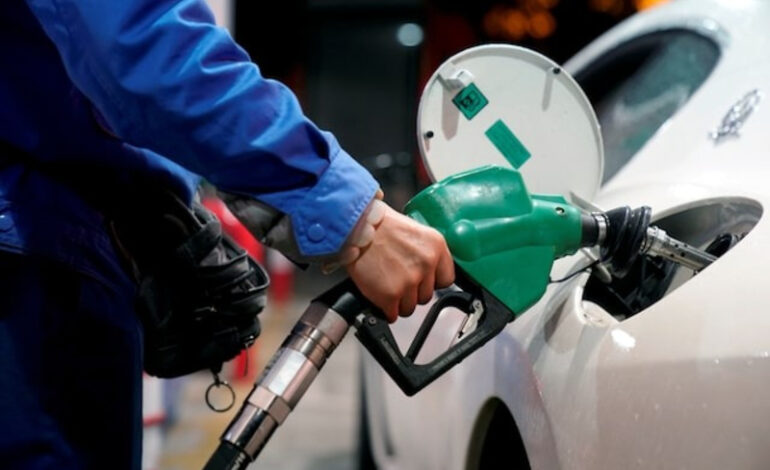
China has signaled a stronger focus on energy security as part of its latest economic development strategy, pledging to stabilize domestic oil and gas production while expanding long term energy reserves. The commitment comes at a time of heightened global uncertainty as oil prices climb above one hundred dollars per barrel amid geopolitical tensions and supply disruptions. Policymakers say maintaining stable domestic energy output will help protect the country’s economy from volatility in global commodity markets. The strategy reflects growing concern among governments worldwide about the reliability of international energy supply chains and the importance of building resilient domestic energy systems.
Under the new development roadmap, China plans to maintain annual crude oil production at roughly two hundred million tonnes while steadily increasing natural gas output in the coming years. Authorities also intend to strengthen exploration activities and expand strategic petroleum reserves to improve the country’s ability to manage supply shocks. Energy planners have emphasized the importance of ensuring that core national demand for oil and gas can be met through a combination of domestic production and strategic reserves. Officials say this approach will support economic stability and reduce vulnerability to disruptions in global energy markets.
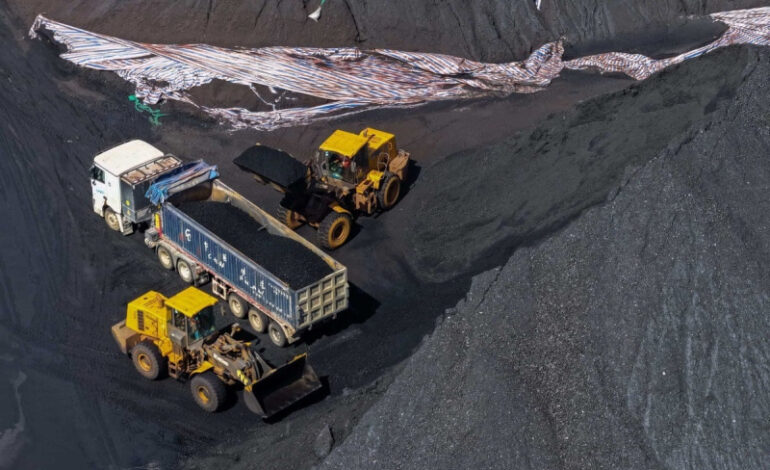
The plan also highlights continued investment in alternative fuel technologies that can supplement conventional oil and gas supplies. Among the projects receiving renewed attention are coal to oil and coal to gas conversion facilities. These technologies allow China to transform its abundant coal resources into liquid fuels and synthetic natural gas that can support industrial demand. While the process is complex and energy intensive, it provides an additional layer of security during periods of supply pressure. Government planners say maintaining technical readiness for these projects will help ensure that backup energy sources are available when global conditions become unstable.
China’s energy policy is shaped by the country’s status as the world’s largest importer of crude oil and a major consumer of natural gas. Rapid industrial growth and rising transportation demand have significantly increased the nation’s energy consumption over the past two decades. As a result Chinese authorities have increasingly prioritized diversification of supply sources and expansion of domestic production capacity. Energy security has become a central theme in national economic planning, particularly as geopolitical tensions and regional conflicts raise concerns about the stability of international shipping routes and energy markets.
The new energy targets reflect Beijing’s broader effort to balance economic development with long term strategic resilience. While China continues to invest heavily in renewable energy technologies such as solar and wind power, traditional fuels remain essential for maintaining stable industrial output and transportation networks. Officials say the country’s strategy will involve strengthening domestic fossil fuel production while gradually integrating cleaner energy sources into the national energy mix. The approach aims to provide stability during the transition toward a more diversified and technologically advanced energy system.