Trump China visit expected to focus on stability rather than major breakthrough
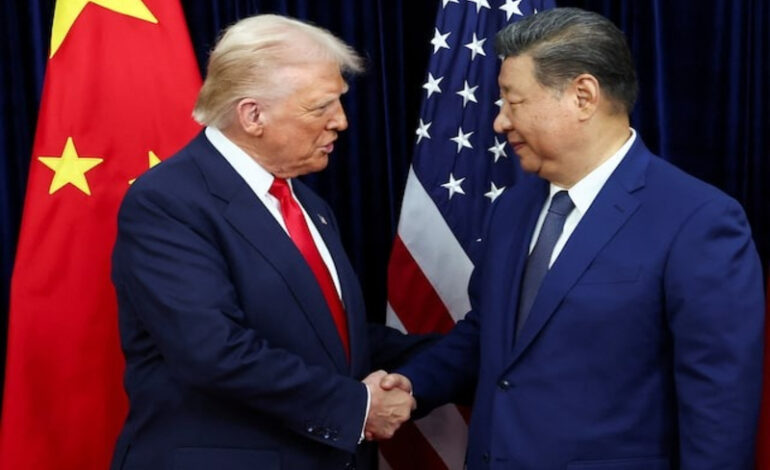
Preparations are underway for a planned meeting between United States President Donald Trump and Chinese President Xi Jinping, but officials and analysts say the upcoming visit is unlikely to produce a major reset in relations between the world’s two largest economies. Instead the discussions are expected to focus on maintaining stability in trade and investment ties after several years of tensions involving tariffs, export controls and strategic competition. Both governments appear to be prioritizing predictability in their economic relationship as global markets remain sensitive to geopolitical risks and supply chain disruptions.
Sources familiar with preparations say expectations for significant policy changes remain limited. Business leaders in the United States had hoped the visit might include broader agreements on investment access or the easing of trade restrictions, but so far no major concessions appear to be on the table. On the Chinese side there has also been little indication that long standing concerns about protections for Chinese investment abroad will be resolved during the meeting. Diplomatic efforts are therefore focused on preserving existing trade arrangements and ensuring that both sides continue implementing previously negotiated commitments.
One area where progress could emerge is commercial agreements linked to agriculture and aviation. Discussions have included potential purchases of American farm products and large aircraft orders from Boeing, which could help reduce tensions while supporting economic cooperation. Analysts note that such deals have historically served as practical ways for Washington and Beijing to demonstrate progress in bilateral relations even when broader policy disagreements remain unresolved. However any major commercial agreements would likely involve complex negotiations over regulatory guarantees and long term supply commitments.
The diplomatic atmosphere surrounding the summit has been complicated by logistical challenges and political sensitivities on both sides. Reports suggest that preparations began relatively late compared with previous state visits, which typically involve months of detailed planning. Some observers believe the compressed timeline may limit the number of agreements that can realistically be finalized during the trip. Questions also remain about whether the visit will include a large delegation of American business executives, something Chinese officials often view as a key element of high level diplomatic engagements.
Despite these uncertainties both governments appear to recognize the importance of maintaining a stable relationship between their economies. The United States and China together account for a significant share of global trade, and shifts in their economic ties can influence markets worldwide. Officials have indicated that the primary objective of the meeting is to manage existing disagreements while avoiding further escalation in areas such as tariffs and technology competition. As global economic conditions remain fragile, even limited diplomatic progress could help reassure investors and businesses that dialogue between the two powers will continue.