Scientists Identify Potential Landing Sites for China’s Planned 2030 Crewed Moon Mission
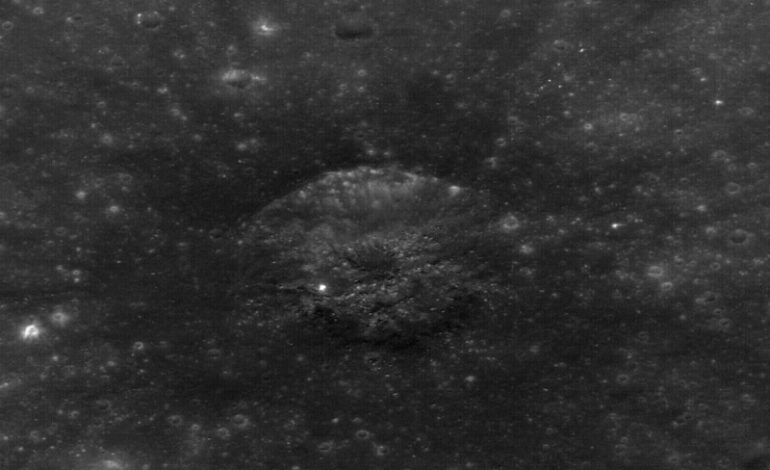
Scientists from China and Germany have proposed several possible landing locations for China’s planned crewed mission to the moon scheduled around 2030, highlighting a region that has also attracted attention from international space agencies. The proposed sites are located in the Rimae Bode area on the near side of the moon, a region known for its distinctive geological formations and relatively flat terrain. Researchers say the area offers a combination of scientific value and practical landing conditions that could support astronaut exploration and lunar research during China’s first human mission to the lunar surface.
According to the study, four potential landing sites have been identified within the Rimae Bode region based on terrain safety, accessibility, and scientific potential. The location contains volcanic materials and other geological features that could provide valuable clues about the moon’s volcanic history and internal structure. Scientists believe samples from this region could help researchers better understand the processes that shaped the lunar surface billions of years ago. The relatively smooth landscape also makes the area suitable for safe landing operations and surface mobility for astronauts and robotic exploration systems.
Researchers note that the Rimae Bode region sits in a low latitude area on the lunar near side, making it easier for spacecraft to reach and maintain communication with Earth. The region’s flat terrain and navigable landscape could allow astronauts to travel across a broader area during exploration missions. Scientists say this combination of favorable landing conditions and rich geological diversity increases the site’s appeal for future lunar missions that aim to conduct extensive scientific studies while also testing new exploration technologies.
The region has previously attracted interest from international lunar programs due to its potential scientific value. Earlier mission concepts from other space agencies had also considered the area for future exploration because of its volcanic formations and the opportunity to study previously unexplored lunar materials. The overlapping interest highlights how certain regions of the moon offer unique opportunities for scientific discovery, particularly for missions focused on understanding the moon’s geological evolution and the broader history of the solar system.
China has steadily expanded its lunar exploration program over the past two decades, achieving several milestones through its Chang’e series of robotic missions. The country has already successfully landed spacecraft on the near side and far side of the moon and returned lunar samples to Earth. The proposed crewed mission planned for around 2030 would represent a major step forward in China’s space ambitions, potentially placing Chinese astronauts on the lunar surface for the first time as part of a broader effort to advance deep space exploration capabilities.