Battery Innovation Drives China’s Next Phase of Electric Vehicle Technology Competition
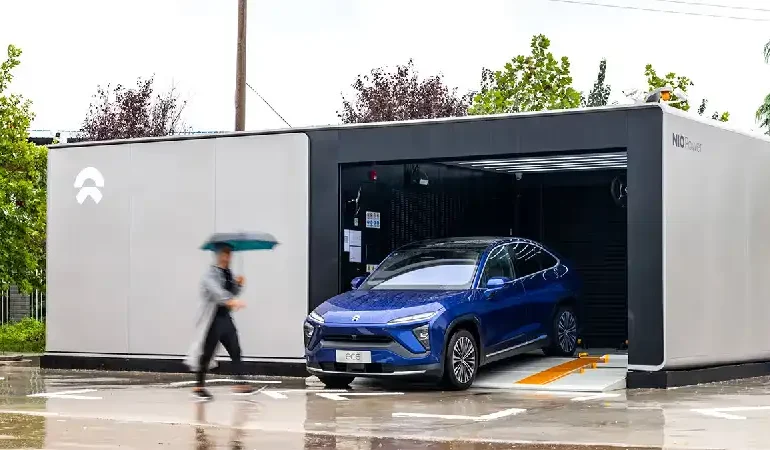
China’s electric vehicle industry is entering a new stage of technological competition in 2026 as battery innovation becomes the central driver of advancement across the sector. Automakers and battery manufacturers are investing heavily in research aimed at improving energy density, charging performance, and battery durability. These improvements are essential for increasing driving range, reducing charging times, and enhancing overall vehicle efficiency. As electric mobility adoption continues expanding globally, battery technology is emerging as the defining factor shaping the competitiveness of EV manufacturers operating within China’s rapidly evolving automotive ecosystem.
Battery Technology Shapes the Future of Electric Vehicles
Battery systems represent the most critical component in electric vehicles because they determine vehicle performance, range capability, and overall cost efficiency. Advances in battery chemistry and engineering have allowed manufacturers to produce vehicles capable of traveling longer distances on a single charge while maintaining stable performance under various driving conditions.
Chinese battery producers and research institutions are focusing on improving lithium based battery technologies that dominate the current EV market. Innovations in cathode materials, battery architecture, and thermal management systems are helping manufacturers enhance the reliability of battery packs used in electric vehicles.
Such developments allow automakers to introduce new EV models that deliver stronger performance while maintaining competitive production costs. As battery technology improves, electric vehicles become increasingly practical for both urban transportation and long distance travel.
Expanding Battery Manufacturing Ecosystem
China has developed one of the world’s largest battery manufacturing ecosystems, supporting the rapid growth of the electric vehicle industry. Battery producers operate large scale production facilities capable of supplying battery cells and modules to automakers across the country.
These manufacturing plants rely on highly automated production systems designed to ensure consistent quality and efficient output. Robotics, digital monitoring tools, and advanced materials processing technologies are widely used within battery factories to maintain precise manufacturing conditions.
The expansion of battery production capacity allows automakers to secure stable supply for vehicle assembly lines. At the same time, suppliers of battery materials such as lithium, nickel, and graphite continue expanding operations to support growing demand for EV battery components.
Integration Between Automakers and Battery Producers
Close collaboration between automakers and battery manufacturers has become a defining feature of China’s EV industry. Vehicle designers often work directly with battery producers to develop customized battery platforms tailored to specific vehicle models.
This cooperation helps improve vehicle performance by ensuring that battery architecture aligns with vehicle design requirements. In some cases, automakers are also investing directly in battery research or forming strategic partnerships with battery technology companies.
Such collaboration accelerates innovation because battery improvements can be quickly integrated into new vehicle models. The ability to rapidly deploy technological upgrades gives Chinese EV manufacturers an advantage in the highly competitive electric mobility market.
Global Demand for Advanced Battery Systems
Battery innovation is not only important for electric vehicles but also for broader energy systems. Energy storage solutions used in renewable power infrastructure rely on similar battery technologies that support EV development.
As countries expand renewable energy capacity, demand for high performance energy storage systems continues increasing. Chinese battery manufacturers therefore operate within a rapidly growing global market where technological advancement plays a key role in maintaining competitiveness.
The combination of electric mobility and renewable energy storage demand further strengthens the strategic importance of battery innovation within China’s technology sector. Companies capable of improving battery efficiency and reliability are likely to play a major role in shaping the future of global energy and transportation systems.
Policy Support and Clean Energy Goals
Government policies encouraging clean transportation have helped accelerate battery technology development across China’s EV industry. Incentives for electric vehicle adoption and support for battery research have contributed to the rapid growth of both vehicle production and battery manufacturing capacity.
These policies align with broader environmental objectives aimed at reducing emissions and promoting sustainable transportation systems. Electric vehicles powered by advanced battery technologies represent a critical component of global efforts to transition toward cleaner energy solutions.
China’s strong manufacturing base and research capabilities position the country as a major contributor to the technological progress driving the electric mobility transition.
Long Term Outlook for EV Battery Innovation
The next phase of electric vehicle competition will likely depend heavily on battery performance improvements. Automakers that can deliver longer range vehicles with faster charging capabilities will have a strong advantage in attracting consumers and expanding market share.
China’s growing battery innovation ecosystem suggests that the country will remain a major force in shaping the future of electric mobility technologies. Continued investment in battery research and manufacturing infrastructure will support further progress in EV performance and energy storage systems.
Conclusion
Battery innovation is driving the next stage of competition in China’s electric vehicle industry. As manufacturers improve battery technology and expand production capacity, the EV sector continues strengthening China’s role as a global leader in electric mobility and advanced energy storage solutions.