US Taiwan Coastguard Training Expands Amid Tensions
US Taiwan Coastguard Training Begins in Taiwan
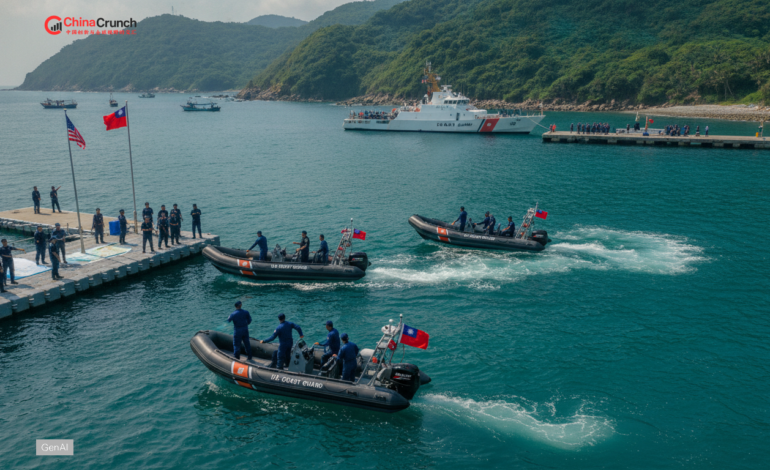
A small US team has arrived in Taiwan to work with local maritime agencies as operational pressure rises around the island, as indicated by reports. The mission has been described as technical assistance focused on professional skills rather than combat operations. The work centers on standardizing procedures for patrol craft, boarding protocols, and maritime communications during routine missions. Taiwan’s Coast Guard Administration has emphasized law enforcement roles, while US officials have kept descriptions narrow to avoid mischaracterizing the work. This activity comes amid increasing maritime incidents that draw attention from regional navies and coastguards operating in nearby waters, and as Taipei seeks clearer, repeatable operating methods.
What the Training Covers: Procedures, Communications, and Safety
The program concentrates on practical seamanship, safety, and coordination that apply to daily patrols rather than headline events. Sessions include operational planning, search and rescue coordination, and communications drills to help teams work smoothly under stress. Readers tracking related maritime friction can compare this effort with Taiwan China Coast Guard Standoff: Taiwan Arms Up as a reference point. Instructors also discuss how Taiwanese crews can document encounters to support legal processes, a common approach in coastguard collaboration. For further context on regional aviation incidents, see Wrong radio frequency by Cathay crew led to Nato jet interception: report. The drills are structured to be repeatable so crews can apply the same checklists during routine missions.
Why It Matters Amid Increased Chinese Maritime Activity
Taiwanese officials have connected the timing to more frequent maritime contacts near sensitive areas without specifying counts in public statements. Reports indicate that the surge in Chinese activity has increased the likelihood of close approaches and radio challenges, making consistent procedures and evidence collection vital for the coastguard. In this context, US Taiwan coastguard training aims to improve how crews manage ambiguity, including deconfliction with other Taiwanese agencies and how to record navigation tracks and communications logs for after-action review. The goal is to reduce miscalculation during encounters that may start as routine inspections or presence patrols, while maintaining a law enforcement framing. The focus is on areas close to Taiwan’s coastline and offshore routes where patrol craft regularly operate.
Signals for US Taiwan Relations and Messaging
This mission adds another layer to a relationship that already includes arms sales and security consultations, but efforts remain within the law enforcement scope. The language has been carefully managed, with US officials describing the work as capacity building for maritime governance. US Taiwan coastguard training signals ongoing engagement without announcing new combat roles or basing changes. Analysts observe Beijing’s reactions to these incremental steps, especially when affecting sea operations rather than air defense. For readers following wider US China frictions in security policy, related context appears in China Drone Tariffs Escalate US Trade Rift Stakes. Exchanges focus on Taiwan and nearby shipping lanes, not broader force posture changes.
Next Steps and Measurable Outcomes to Watch
The current engagement is described as a foundation for continued exchanges, including follow-up assessments and shared best practices, according to available reports. The format can be repeated in modules, concentrating on narrow competencies such as boarding safety, medical response, and incident documentation. Agencies are considering coordination with civil maritime stakeholders, including fisheries enforcement and commercial shipping, to ensure predictable procedures, with discussions centered in Taipei among Coast Guard Administration planners. Any expansion would likely focus on maritime safety and law enforcement to maintain clarity and reduce misinterpretation. Taiwan’s coastguard leadership believes stronger training improves decision-making during tense encounters and strengthens resilience without altering the island’s broader security posture.