China’s Electric Vehicle Exports Continue Rising as Global Demand for EVs Expands in 2026
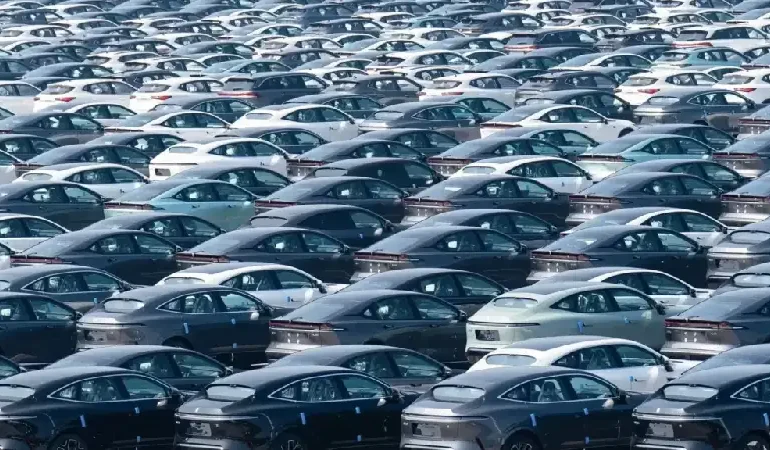
China’s electric vehicle exports are maintaining strong momentum in 2026 as global demand for electric mobility continues to expand across both developed and emerging markets. Chinese automakers are increasing shipments to overseas regions supported by competitive pricing, expanding production capacity, and improvements in vehicle technology. As governments worldwide push for cleaner transportation and reduced emissions, electric vehicles are becoming a central part of automotive markets, and China is playing a key role in supplying this growing demand through its large scale manufacturing ecosystem.
China Strengthens Position in Global EV Export Markets
China has become one of the leading exporters of electric vehicles, supported by a highly integrated supply chain that includes battery production, component manufacturing, and vehicle assembly. The country’s manufacturing infrastructure allows automakers to produce EVs at scale while maintaining cost efficiency and consistent quality standards.
Export growth is particularly visible in markets where governments are encouraging electric vehicle adoption through regulatory support and infrastructure development. Regions such as Europe and Southeast Asia are seeing increased availability of Chinese manufactured EVs as distributors expand their networks. This expansion reflects the growing competitiveness of Chinese automakers in international automotive markets.
Manufacturing Scale Supports Export Growth
Large scale manufacturing capacity remains one of China’s key advantages in the global EV industry. Factories equipped with advanced automation systems can produce vehicles efficiently while maintaining consistent production output. Robotics and digital monitoring technologies ensure that production lines operate with precision, supporting both domestic demand and export requirements.
The ability to scale production quickly allows Chinese automakers to respond to changes in global demand. As international markets adopt electric vehicles at a faster pace, manufacturers can adjust output levels to meet export targets. This flexibility is essential for maintaining competitiveness in a rapidly evolving automotive sector.
Battery Supply Chains Enable Competitive Advantage
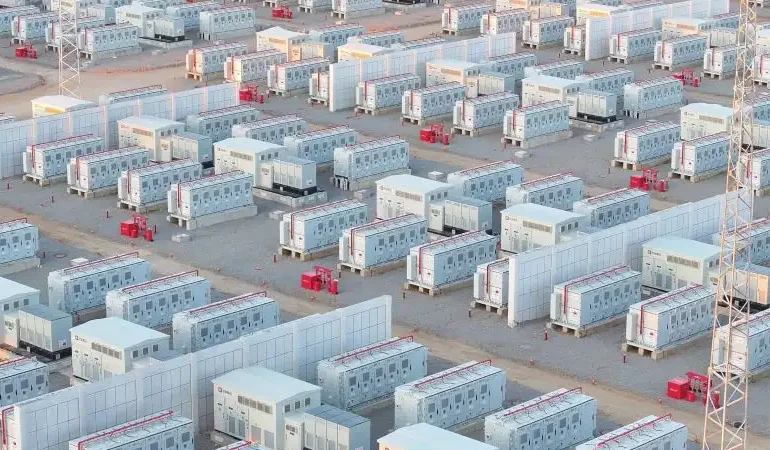
Battery production plays a crucial role in supporting China’s EV export growth. Domestic battery manufacturers supply large volumes of energy storage systems used in electric vehicles, ensuring stable access to one of the most critical components in EV production.
The integration of battery manufacturing with vehicle assembly provides efficiency advantages that help reduce production costs. Chinese automakers benefit from proximity to battery suppliers, which improves coordination between design and manufacturing processes. This integrated approach strengthens the competitiveness of Chinese EVs in international markets where pricing and performance are key considerations.
Expanding Market Access and Distribution Networks
Chinese automakers are actively expanding their presence in overseas markets by developing distribution networks and partnerships with local dealers. Establishing reliable sales channels is essential for supporting long term export growth and ensuring that vehicles reach consumers efficiently.
In addition to distribution, companies are also focusing on after sales services and maintenance infrastructure to support customers in international markets. These efforts help build trust and strengthen brand recognition, which are important factors in the global automotive industry.
As export markets continue to develop, Chinese EV manufacturers are likely to increase their presence in regions where demand for electric vehicles is rising due to environmental policies and consumer interest in sustainable transportation.
Technology Improvements Enhance Global Competitiveness
Technological advancements in electric vehicle design are further supporting export growth. Improvements in battery performance, vehicle range, and energy efficiency make EVs more attractive to consumers worldwide.
Chinese manufacturers are investing in research and development to enhance vehicle features and maintain competitiveness in global markets. These innovations include improvements in charging systems, vehicle software, and energy management technologies that contribute to overall vehicle performance.
As technology continues to evolve, Chinese EVs are becoming more competitive not only in terms of cost but also in performance and reliability.
Policy Support and Industry Development
Government policies supporting the electric vehicle industry have contributed to the growth of China’s EV export sector. Investment in charging infrastructure, incentives for EV adoption, and support for battery research have all played a role in strengthening the industry’s foundation.
These policies align with broader environmental goals aimed at reducing emissions and promoting sustainable transportation systems. As global markets adopt similar objectives, demand for electric vehicles is expected to continue growing, providing further opportunities for export expansion.
Long Term Outlook for EV Exports
The continued rise in electric vehicle exports suggests that China will remain a major participant in the global automotive transition toward electric mobility. As manufacturing capacity expands and technology improves, Chinese automakers are well positioned to meet increasing international demand.
Maintaining strong supply chains and consistent production quality will remain essential for sustaining export growth. With ongoing investment in technology and infrastructure, China’s EV industry is expected to continue playing a significant role in shaping the future of global transportation.
Conclusion
China’s growing electric vehicle exports reflect the strength of its manufacturing ecosystem and its ability to meet rising global demand for clean transportation. As technology improves and international markets expand, the country’s EV sector continues to strengthen its position within the global automotive industry.