Chongqing Mayor Placed Under Investigation as China Intensifies Anti Corruption Drive
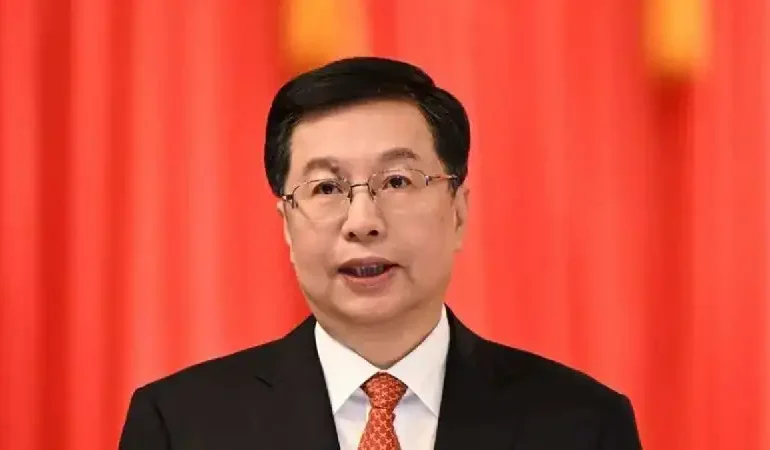
China’s anti corruption campaign has entered a new phase with the investigation of Chongqing’s mayor, highlighting the continued focus on discipline within the country’s political system. Authorities confirmed that Hu Henghua, who also serves as deputy party secretary of the municipality, is being examined for serious violations of discipline and law. The announcement was made by the Central Commission for Discipline Inspection, the country’s top anti corruption body, which has been leading efforts to enforce accountability among senior officials across multiple levels of government.
The case is significant given Chongqing’s status as one of China’s four centrally administered municipalities, placing it at the same administrative level as a province. This makes leadership positions in the city particularly influential within the national governance structure. Investigations involving officials at this level are closely watched as indicators of broader political and institutional trends, especially as China continues to emphasise governance standards and internal oversight within its administrative framework.
The phrase used by authorities to describe the allegations is commonly associated with corruption related offences, although specific details of the case have not been disclosed. Such investigations typically involve a formal review process that can include disciplinary action and legal proceedings depending on the findings. The lack of immediate detail reflects the standard approach taken by authorities during the early stages of high level inquiries, where official updates are released gradually as the process develops.
Analysts say the latest investigation underscores the sustained momentum of China’s anti corruption efforts, which have been a central feature of governance policy in recent years. The campaign has targeted officials across a wide range of sectors, from local administrations to state owned enterprises, with the aim of strengthening institutional integrity and public trust. The inclusion of senior figures such as municipal leaders signals that the scope of enforcement remains broad and ongoing.
The investigation into Hu Henghua is one of several cases involving high ranking officials this year, indicating that oversight mechanisms continue to operate at an elevated level. Observers note that such actions serve both as enforcement measures and as signals to the wider political system regarding expectations of conduct and accountability. The process also reflects the role of disciplinary institutions in maintaining internal order within the governing structure.
China’s anti corruption drive has evolved over time to include not only punitive measures but also preventive frameworks aimed at reducing risks within administrative systems. These efforts include tighter supervision, improved transparency, and enhanced compliance mechanisms across government bodies. The ongoing investigations are part of a broader strategy to ensure that governance standards are upheld consistently across regions and sectors.
Officials and observers will be watching closely for further developments in the case, including whether additional details emerge or if other investigations follow. As China continues to prioritise discipline and regulatory oversight, such cases are expected to remain a key feature of the political landscape, reflecting the importance placed on accountability within the country’s governance model.