Airbus secures major 101 aircraft order from China Eastern in boost to European aviation ties
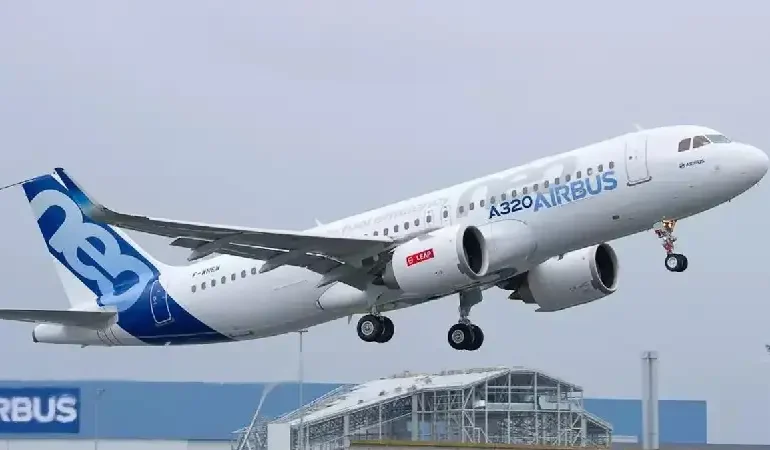
Airbus has strengthened its position in China’s aviation market after securing a significant order for 101 A320neo aircraft from China Eastern Airlines, highlighting shifting dynamics in one of the world’s most important aerospace markets. The multibillion dollar deal reflects continued demand for fuel efficient narrow body jets as Chinese carriers expand capacity and modernise fleets. The agreement also comes at a time of uncertainty surrounding potential aircraft negotiations involving US rival Boeing, reinforcing Airbus’s growing foothold in China amid evolving geopolitical and commercial conditions.
The order carries a listed value of around $15.8 billion, although the airline confirmed that it secured substantial pricing concessions, a standard practice in large scale aircraft purchases. Deliveries are scheduled between 2028 and 2032, indicating long term fleet planning aligned with expected recovery and growth in air travel demand. The deal remains subject to approval from shareholders and regulatory authorities, but industry observers view it as a strong signal of confidence in Airbus aircraft performance, operational efficiency, and long term partnership with Chinese carriers.
Analysts point out that the A320neo family has become a preferred choice for airlines seeking lower fuel consumption and reduced emissions, particularly as environmental standards tighten across the aviation sector. The aircraft’s advanced engines and aerodynamic improvements allow airlines to cut operating costs while meeting sustainability targets. China’s aviation market, which is expected to see steady passenger growth over the next decade, is increasingly prioritising efficiency and reliability, making next generation narrow body jets central to fleet strategies across both state owned and private carriers.
Industry executives note that Airbus has steadily expanded its presence in China through a combination of aircraft sales, industrial cooperation, and local partnerships. The latest order follows a series of major agreements, including a large scale purchase of A320 aircraft by multiple Chinese airlines and a state backed leasing group in late 2025. A senior aviation analyst commented that Airbus’s consistent engagement with Chinese partners has helped build trust and long term alignment, particularly as airlines seek stable supply chains and predictable delivery schedules in a complex global environment.
China’s aviation sector has undergone rapid development over the past two decades, driven by rising incomes, urbanisation, and expanding domestic travel networks. The country is now one of the largest aviation markets globally, with airlines investing heavily in fleet expansion to meet both domestic and international demand. At the same time, global aerospace competition has intensified, with manufacturers competing not only on price and performance but also on geopolitical alignment, industrial cooperation, and access to key markets.
Additional context suggests that aircraft procurement decisions are increasingly influenced by broader economic and technological considerations, including supply chain resilience and long term operational efficiency. The integration of advanced digital systems, data driven maintenance, and connected aviation infrastructure is reshaping how airlines manage fleets. These developments are also linked to wider digital ecosystems, where high performance computing and data exchange play a growing role in optimizing operations and supporting next generation transport networks.
Recent developments indicate that Airbus is consolidating its lead in the Chinese market as airlines continue to prioritise fleet modernization and efficiency gains. The latest agreement adds to a growing pipeline of orders that could shape aircraft deliveries well into the next decade. With continued demand for narrow body jets and evolving global competition, the outcome of future aircraft deals will remain closely watched as a measure of shifting influence in the global aviation industry.