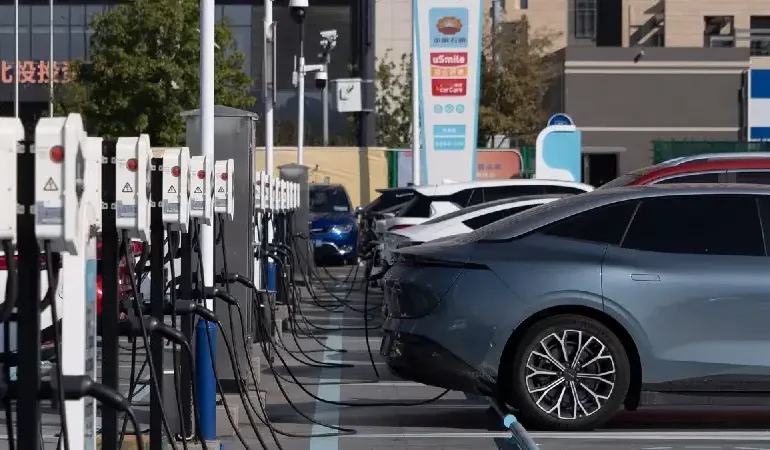
Oil shock accelerates China EV expansion as global fuel crisis reshapes auto markets
A sharp surge in global oil prices triggered by escalating conflict in the Middle East is accelerating momentum for electric vehicles, offering a strategic boost to China’s EV industry at a time of domestic pressure and global opportunity. Crude prices recently climbed as high as $119 per barrel, intensifying concerns over inflation and economic instability across energy dependent regions. Analysts say the spike is reinforcing the long term shift toward electrification, with China’s EV manufacturers well positioned to capitalize as rising fuel costs make traditional vehicles increasingly expensive to operate.
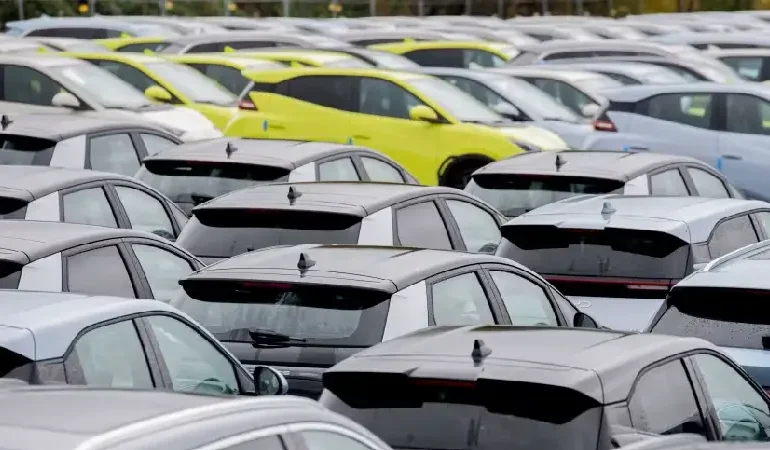
The changing price dynamics are creating a favorable environment for Chinese automakers seeking growth beyond an increasingly competitive domestic market. While China leads the world in EV production and exports, many manufacturers face slowing demand and price wars at home. The combination of cheaper electric vehicles and higher petrol costs is expected to drive adoption across Asia, where economies remain heavily reliant on imported oil. Industry experts suggest that this pricing imbalance could accelerate market entry for Chinese brands, particularly in countries facing mounting energy costs and supply constraints.
The disruption in oil flows has exposed the vulnerability of Asian economies, with around 60 percent of the region’s crude supply linked to Middle Eastern routes. Supply restrictions have heightened urgency among governments to reduce dependence on fossil fuels, positioning EV adoption as a key policy response. Analysts describe electric vehicles as one of the most effective tools for lowering oil import bills, noting that global EV usage has already reduced crude demand by millions of barrels per day. The current crisis is seen as a potential inflection point that could push electrification into a faster growth phase across multiple markets.
Industry voices highlight that repeated energy shocks are reshaping consumer behavior and policy priorities. One analyst noted that sustained volatility in fuel prices is likely to reinforce the economic advantages of EV ownership, especially in emerging markets. Others pointed out that China’s long term strategy of investing in renewable energy and electric mobility has strengthened its resilience during the crisis. With EVs accounting for a significant share of new car sales in China, the country has already reduced its oil consumption, demonstrating how electrification can support both economic stability and energy security.
China’s leadership in the EV sector has been built through years of industrial policy, supply chain development, and investment in battery technology. The country now dominates global EV manufacturing and holds a strong position in battery production, giving its automakers a competitive edge in cost and scale. However, the domestic market has become increasingly crowded, with analysts predicting that only a fraction of existing brands will remain financially viable over the next decade. This has intensified the need for expansion into international markets to absorb excess production capacity.
Additional context shows that geopolitical and trade factors are also shaping the trajectory of Chinese EV exports. Access to major markets such as the United States remains limited due to tariffs and policy barriers, pushing manufacturers to focus on Asia and other emerging regions. In countries facing fuel shortages and rising energy costs, governments are encouraging energy conservation measures while exploring incentives for electric mobility. These conditions are creating new opportunities for Chinese automakers to establish a stronger presence in regional markets through competitive pricing and scalable production.
Recent developments indicate that demand for electric vehicles is likely to accelerate further as energy volatility persists and policy support strengthens. Asian markets in particular are expected to see rapid growth in EV adoption, supported by infrastructure development and government initiatives aimed at reducing oil dependence. As global energy dynamics continue to evolve, China’s EV industry is positioned to play a central role in shaping the future of transportation, with the current oil crisis acting as a catalyst for broader structural change in the automotive sector.