China drugmakers race into weight loss market as semaglutide patent expiry opens door to competition
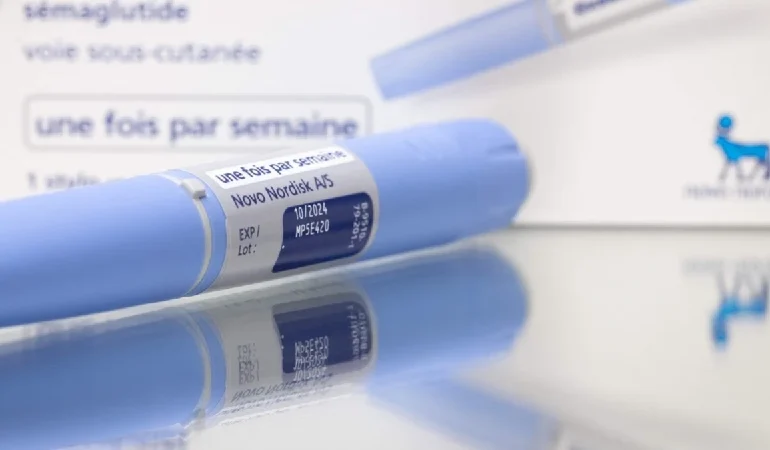
China’s pharmaceutical sector is rapidly moving into the global weight loss drug race after the expiration of Novo Nordisk’s semaglutide patent in the country, unlocking a major commercial opportunity for domestic developers. The shift comes as demand for obesity treatments surges worldwide and China positions itself as a key growth market. With the patent protection ending in March, local drugmakers are now accelerating development and regulatory filings to capture market share in a segment expected to expand significantly over the coming years.
At least ten weight loss therapies, including injectable and oral formulations, are currently lining up for regulatory approval in China. These treatments aim to compete directly with semaglutide, which generated approximately 35 billion dollars in global revenue last year and has become one of the most successful drugs in the pharmaceutical industry. The growing pipeline reflects strong interest from both established pharmaceutical companies and emerging biotech firms seeking to enter a high demand therapeutic category with proven commercial potential.
The expiration of semaglutide’s patent marks a turning point for China’s drug development landscape. It allows domestic companies to develop alternative versions or new therapies targeting similar biological pathways without legal barriers. This is expected to drive competition, reduce treatment costs and improve accessibility for patients. Analysts say the shift also highlights China’s increasing capability to innovate in complex drug categories, supported by advancements in clinical research and manufacturing.
China’s drug regulator has played a key role in enabling this momentum by speeding up the approval process for innovative therapies. In recent years, regulatory reforms have shortened review timelines and encouraged the introduction of advanced treatments into the domestic market. The rise in out licensing agreements between Chinese biotech firms and global pharmaceutical companies has further strengthened this ecosystem, allowing local players to access international expertise while expanding their own research capabilities.
The weight loss drug market is becoming a focal point for global pharmaceutical competition, driven by rising obesity rates and increasing awareness of metabolic health. Beyond treating weight issues, these drugs are also being explored for broader health benefits, including diabetes management and cardiovascular risk reduction. This expanding scope is attracting investment and intensifying competition among companies seeking to establish leadership in a rapidly evolving therapeutic space.
China’s projected weight loss drug market, estimated to reach around 14 billion dollars by 2030, is drawing significant attention from both domestic and international players. The combination of a large patient population, improving healthcare access and supportive policy frameworks is creating favorable conditions for growth. Local manufacturers are expected to leverage cost advantages and manufacturing scale to compete effectively against established global brands.
As regulatory reviews progress, the coming months will be critical in determining which companies secure early approvals and establish market presence. Industry observers anticipate a wave of product launches as companies finalize clinical data and navigate approval pathways. The increasing activity signals a new phase in China’s pharmaceutical industry, where domestic innovation is beginning to challenge global leaders in high value therapeutic markets.