Used EV demand surges across Europe as fuel prices spike amid Iran conflict
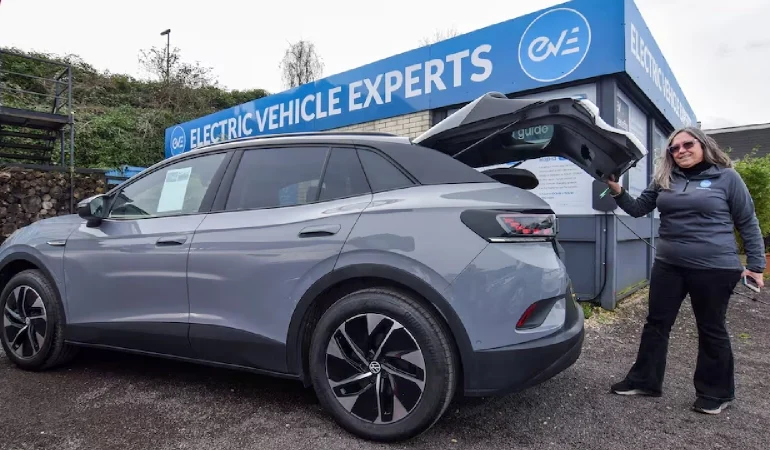
Rising petrol prices triggered by the Iran conflict are rapidly reshaping consumer behavior across Europe, with demand for used electric vehicles accelerating as drivers seek cost efficient alternatives. The shift reflects how geopolitical tensions are feeding directly into everyday economic decisions, particularly in energy dependent sectors. As fuel costs climb, consumers are increasingly turning to electric mobility, signaling an early but notable transition away from traditional combustion engines in response to sustained price pressure at fuel stations.
Data from online car marketplaces across Europe show a sharp increase in used EV sales and inquiries in recent weeks. Analysts report that electric vehicles have overtaken diesel models in some markets as the most sought after category. In France, the share of used EV sales nearly doubled within a short period, while petrol and diesel vehicles saw declining demand. Similar trends are emerging across Germany, the Nordics and Eastern Europe, where search activity and buyer interest in electric models have risen significantly.
The surge is closely linked to disruptions in global oil supply caused by the conflict, which has affected key shipping routes responsible for a large share of global energy flows. As a result, petrol prices in the European Union have risen notably, with average costs increasing around 12 percent within weeks. For consumers, the psychological threshold of higher fuel prices is prompting a reassessment of long term transportation costs, making electric vehicles a more attractive option despite broader economic uncertainty.
Industry executives say the response highlights how sensitive the automotive market is to fuel price fluctuations. When petrol prices rise above certain levels, consumer interest in alternatives tends to increase sharply. Electric vehicles, particularly in the used market, offer immediate availability and lower upfront costs compared to new models, making them a practical choice for buyers seeking quick savings. This dynamic allows the used EV segment to react faster than the new car market, where supply chains and delivery times can delay purchasing decisions.
Automakers and mobility platforms are also adapting their strategies to reflect changing consumer priorities. Some companies have begun emphasizing fuel savings in their marketing campaigns, reinforcing the economic advantages of electric mobility. The trend suggests that the current surge in demand is not only a short term reaction but could contribute to a longer term shift in how consumers evaluate vehicle ownership, especially as energy price volatility becomes more frequent.
The expansion of the used EV market is further supported by improvements in product availability and buyer confidence. A wider range of models and better battery health transparency have addressed some of the key concerns associated with second hand electric vehicles. These developments were already driving gradual growth before the recent spike in fuel prices, but the geopolitical shock has accelerated the transition, pushing more consumers toward electric options at a faster pace.
Market analysts expect the momentum to continue if fuel prices remain elevated, with potential spillover effects into the new vehicle segment. As buyers anticipate sustained high energy costs, interest in hybrid and fully electric models is likely to increase further. The current trend underscores how external shocks such as geopolitical conflicts can accelerate structural changes in consumer markets, particularly in sectors closely tied to energy pricing and long term cost considerations.