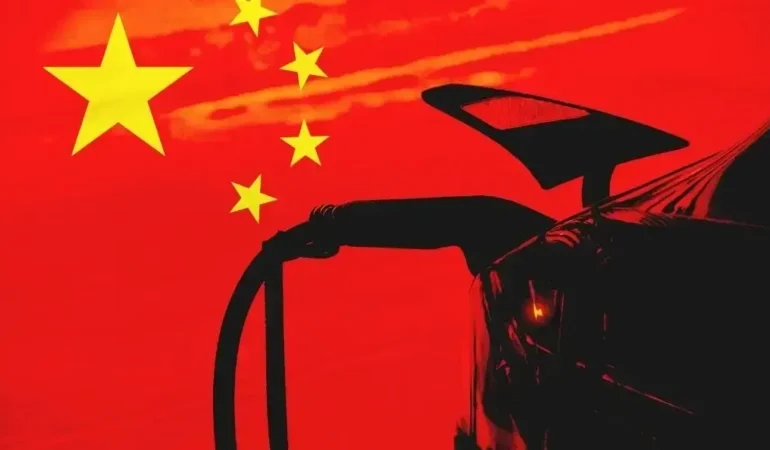
Hyundai accelerates China EV strategy to counter tariffs and intensifying local competition
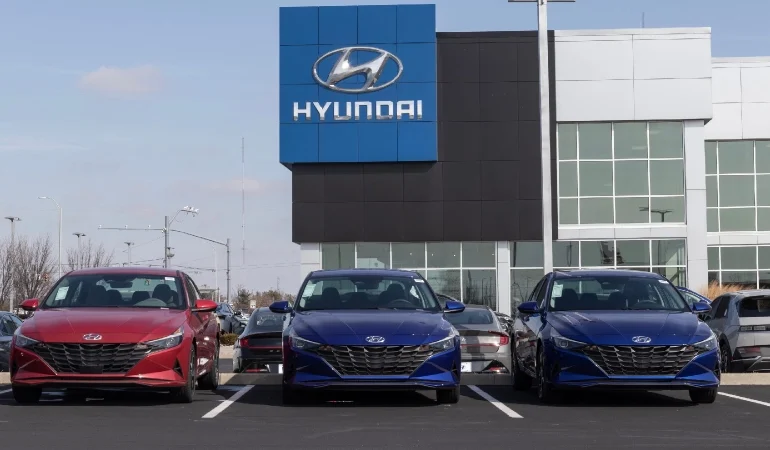
South Korean automaker Hyundai Motor is expanding its electric vehicle strategy in China as it seeks to reduce exposure to rising trade related costs and strengthen its position in the world’s largest auto market. The company is increasing focus on eco friendly vehicles through its joint venture Beijing Hyundai, targeting higher production and sales volumes in 2026. The move reflects a broader shift among global automakers that are adapting to China’s rapidly evolving EV landscape, where domestic brands continue to gain market share through aggressive pricing and localized innovation.
Hyundai plans to produce more than 40,000 eco friendly vehicles in China this year, with output expected to reach approximately 41,500 units in 2026. At the same time, the company intends to reduce internal combustion engine vehicle production by nearly 10 percent, aligning with industry trends as demand for traditional vehicles declines. Hyundai is also targeting total annual sales of over 218,000 vehicles in China, representing a notable increase from the previous year. This production shift highlights how manufacturers are reallocating resources toward electrification to remain competitive in a market undergoing structural transformation.
A key component of Hyundai’s strategy is the development of China specific electric models designed to meet local consumer preferences and regulatory requirements. The company is preparing to launch a new electric sedan tailored specifically for the Chinese market, with mass production scheduled to begin in mid 2026. Over the next five years, Hyundai plans to introduce around 20 new models in China, focusing heavily on electric and hybrid vehicles. This localized product strategy is becoming essential for foreign automakers seeking to regain relevance against increasingly dominant domestic EV players.
The push toward electrification is also driven by external pressures, including tariffs and shifting trade dynamics that have increased operational costs for international brands. Hyundai has faced significant financial strain linked to these factors, prompting a reassessment of its China strategy. By expanding local production of EVs, the company aims to reduce reliance on imports and mitigate tariff related risks. This approach also allows Hyundai to better integrate into China’s supply chains, which are among the most advanced globally for battery technology and electric mobility components.
China’s automotive market is undergoing a rapid transition as electric vehicles gain momentum and combustion engine sales decline. Industry projections suggest that traditional vehicle sales could fall sharply in the coming years, while EV adoption continues to accelerate. Domestic manufacturers have been particularly successful in capturing consumer interest through competitive pricing, advanced features and strong digital integration. This has created a challenging environment for foreign brands, many of which are now restructuring their strategies to focus more heavily on electrification and localization.
Hyundai’s expansion in China reflects a broader trend of global automakers recalibrating their approach to one of the most competitive EV markets in the world. Companies are increasingly investing in local partnerships, tailored product development and region specific technologies to remain viable. The company’s China only EV models, including its developing lineup, are part of this effort to rebuild market share while adapting to changing consumer expectations and policy frameworks.
As Hyundai scales its EV operations, the success of its strategy will depend on execution, pricing competitiveness and the ability to differentiate its offerings in a crowded market. With production targets rising and new models in development, the company is positioning itself to navigate both regulatory challenges and intensifying competition. The shift toward eco friendly vehicles marks a significant step in Hyundai’s long term plan to align with China’s transition toward electrified mobility.