Geely chairman urges Volvo Cars to deepen partnerships and expand China R&D amid EV pressures
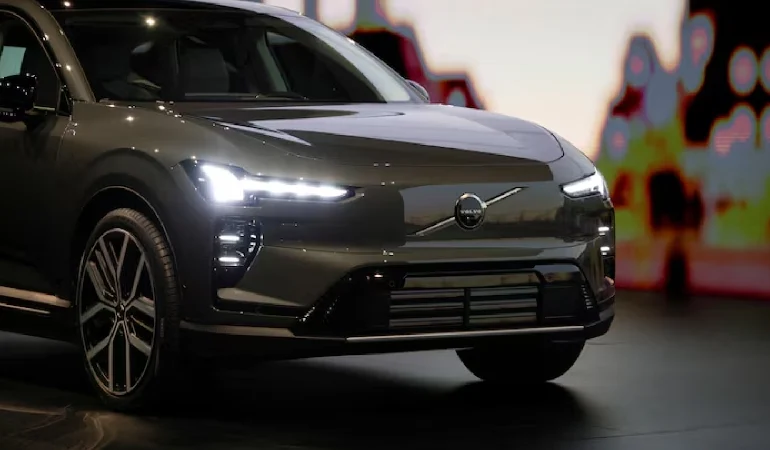
Volvo Cars is being pushed to strengthen collaboration across its global network as competitive pressures mount in the electric vehicle market, with Geely Holding chairman Li Shufu calling for deeper integration between the Swedish automaker and its sister brands. Speaking at the company’s annual meeting, Li emphasized that working in isolation could weaken long term competitiveness, urging closer cooperation with brands including Geely Automobile Holdings Ltd and Polestar Automotive Holding UK PLC. The comments highlight growing urgency within the group to optimize shared resources as the global EV market faces slowing demand and rising cost pressures.
The strategy shift comes alongside recent corporate moves aimed at improving operational efficiency and financial structure. Volvo Car AB has agreed to convert more than 300 million dollars of Polestar debt into equity, a step designed to streamline production efforts in the United States and stabilize its affiliate’s balance sheet. In parallel, the company secured an exclusive European distribution agreement with Lynk & Co, further integrating its sales and distribution channels across the group. These actions reflect a broader push to align strategy across brands under the Geely umbrella while reducing duplication in operations.
Executives say leveraging synergies will be critical as the industry navigates a more complex environment shaped by tariffs, supply chain adjustments and evolving consumer demand for electric vehicles. Returning chief executive Håkan Samuelsson has identified cost sharing and joint development as central pillars of Volvo’s turnaround strategy, particularly as material costs and investment requirements for EV platforms continue to rise. By pooling resources across engineering, manufacturing and procurement, the group aims to reduce development expenses while accelerating product innovation and market responsiveness.
China is expected to play a central role in this strategy, with leadership highlighting the need to expand research and development capabilities in the country’s rapidly advancing automotive ecosystem. Li noted that China’s relatively young but fast growing auto industry is positioned to capture a significant share of the global market, driven by advancements in electric mobility, battery technology and digital vehicle platforms. Strengthening R&D operations in China could allow Volvo to tap into cost advantages and technological innovation emerging from the region while enhancing its competitiveness in both domestic and international markets.
The renewed focus on collaboration comes after Volvo reported significant financial impairments in the previous year, underscoring the challenges facing legacy automakers transitioning to electric mobility. As global competition intensifies and economic uncertainty affects consumer demand, companies are increasingly turning to partnerships and shared platforms to maintain scale and efficiency. Volvo’s evolving strategy within the Geely group reflects a broader industry trend where integration, rather than independence, is becoming a key factor in navigating the next phase of the electric vehicle transition.