China leads global power capacity as hydrogen gas pilot project signals energy shift
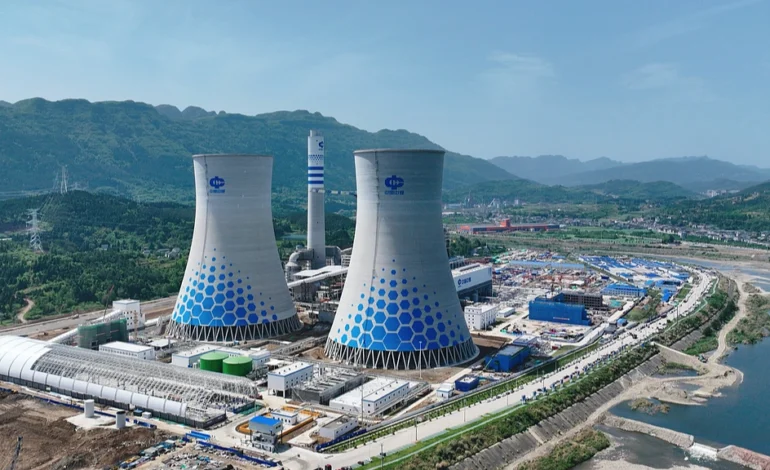
China has strengthened its position as the world’s largest power producer while taking a major step toward cleaner energy with the launch of a hydrogen blended gas project. According to official data, the country’s total installed power capacity reached nearly 4 billion kilowatts in the first quarter of 2026, placing it far ahead of other major economies. The milestone reflects China’s continued expansion of both traditional and renewable energy infrastructure as it works to meet rising domestic demand while advancing its long term sustainability goals.
The latest figures show that clean energy sources, including hydropower, nuclear, wind, and solar, contributed significantly to overall output, generating around 0.7 trillion kilowatt hours. This accounts for more than one third of industrial power production, marking steady growth compared with previous years. Analysts say the increase highlights China’s ongoing efforts to diversify its energy mix and reduce dependence on high emission fuels, even as it continues to maintain a strong base of conventional power generation to ensure stability.
In a separate development, China has launched its first large scale hydrogen blended natural gas project in Weifang, targeting approximately 100,000 households. The project introduces a 10 percent hydrogen mix into existing gas pipelines, allowing for gradual integration of cleaner fuel without requiring major infrastructure changes. Officials estimate that the initiative could replace a significant volume of natural gas annually while reducing carbon dioxide emissions by millions of tonnes, making it a key step toward lower carbon energy systems.
The hydrogen pilot reflects broader ambitions to accelerate innovation in the energy sector and support the transition toward greener technologies. By combining hydrogen with conventional natural gas, the project aims to balance environmental benefits with practical implementation, ensuring that energy supply remains reliable. Experts note that such hybrid approaches are increasingly important as countries seek to reduce emissions without disrupting existing energy networks or causing supply shortages.
Alongside developments in energy infrastructure, China continues to promote technological advancement through major industrial events such as the Canton Fair, which has attracted thousands of high tech enterprises showcasing innovations in manufacturing and energy solutions. These initiatives underline the country’s strategy of integrating industrial growth with energy transformation, positioning itself as a global leader in both production capacity and emerging clean energy technologies.