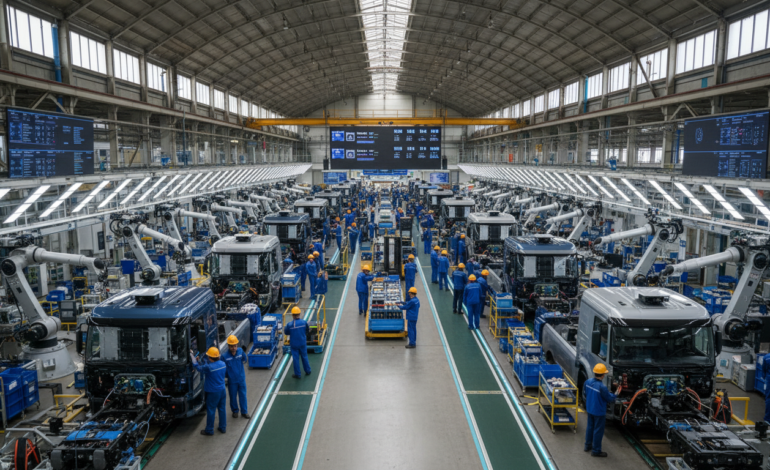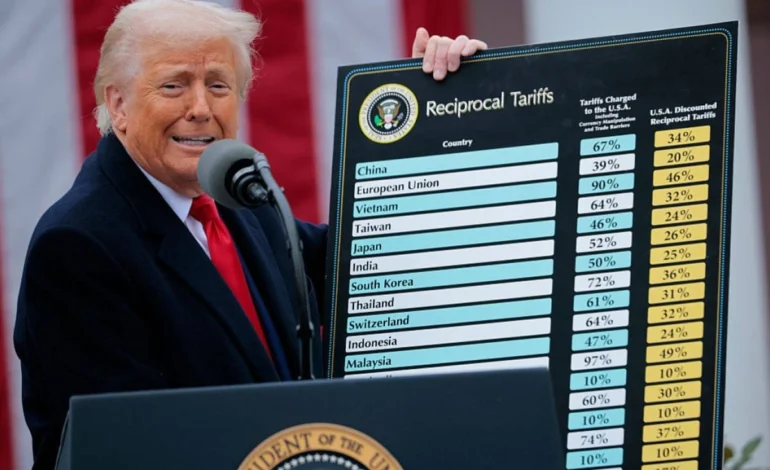
China has stepped up diplomatic pressure on the United States by urging Washington to withdraw its latest Section 301 trade investigation, just days before a closely watched summit between President Donald Trump and President Xi Jinping. The timing of the appeal adds new tension to already sensitive trade relations, with both sides preparing for talks that are expected to shape the next phase of economic engagement between the world’s two largest economies. The dispute centres on allegations of industrial overcapacity, a long standing point of friction in bilateral trade policy discussions.
At a Washington hearing, representatives speaking on behalf of the China Chamber of International Commerce, a state backed trade organisation, strongly criticised the US probe, arguing that it lacks a solid legal foundation and credible evidence. Michelle Zang, who delivered China’s position at the hearing, stated that the investigation not only fails to meet statutory requirements but also bypasses established multilateral mechanisms designed to resolve such disputes. The remarks reflect Beijing’s broader strategy of challenging unilateral trade actions through formal institutional channels while reinforcing its commitment to global trade rules.
The Section 301 investigation, initiated by the United States Trade Representative on March 11, is part of a long running framework used by Washington to examine what it considers unfair trade practices. Although details of the current probe remain under review, it is widely viewed as a continuation of heightened scrutiny of Chinese industrial policy, particularly in sectors where the US argues that state support has contributed to global market distortions. China, however, maintains that such measures are politically motivated and risk undermining the stability of global supply chains at a time of fragile economic recovery.
The renewed dispute comes at a particularly sensitive moment as preparations intensify for the upcoming Trump Xi summit. Market participants and policymakers alike are closely watching whether both leaders can de escalate trade tensions or whether longstanding disagreements will dominate discussions. The timing of China’s public criticism suggests an effort to influence the negotiating environment ahead of the meeting, signalling that trade enforcement actions remain a central obstacle to broader economic cooperation.
Analysts note that the outcome of the summit could determine the trajectory of US China economic relations for the remainder of the year, particularly in areas such as industrial policy, technology competition, and tariff structures. While both sides have previously engaged in temporary agreements to ease tensions, underlying structural disagreements continue to resurface. The current exchange over the Section 301 probe highlights how trade disputes remain deeply embedded in the wider geopolitical competition between Washington and Beijing, making any breakthrough at the summit both critical and uncertain.