Chinese EV makers scout idle European plants now
Chinese Firms Seek European Manufacturing Assets
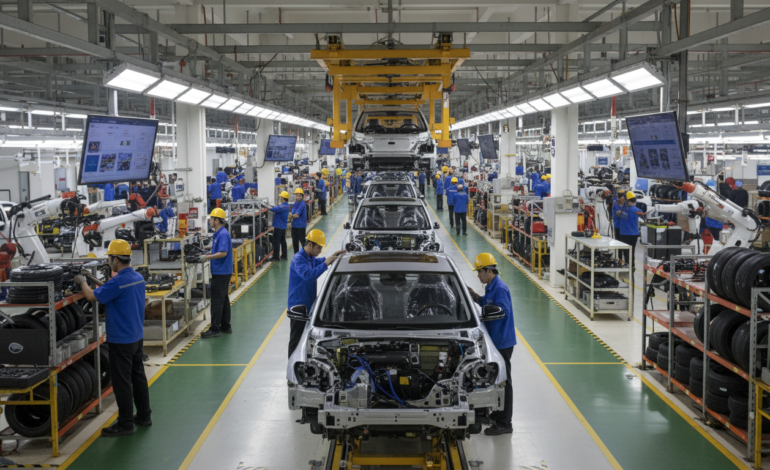
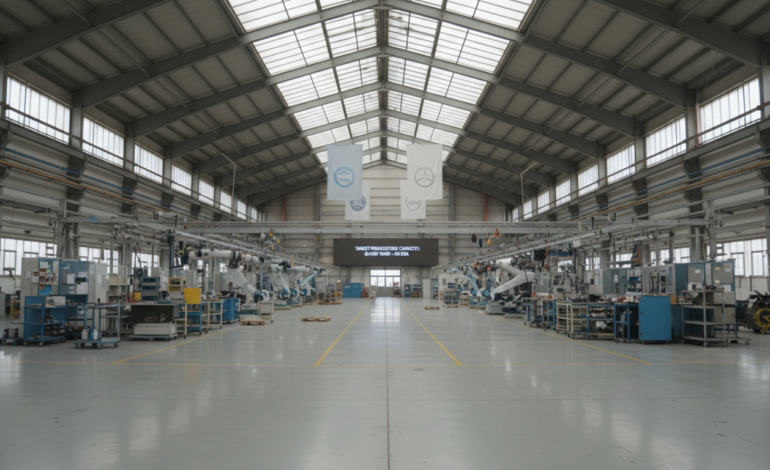
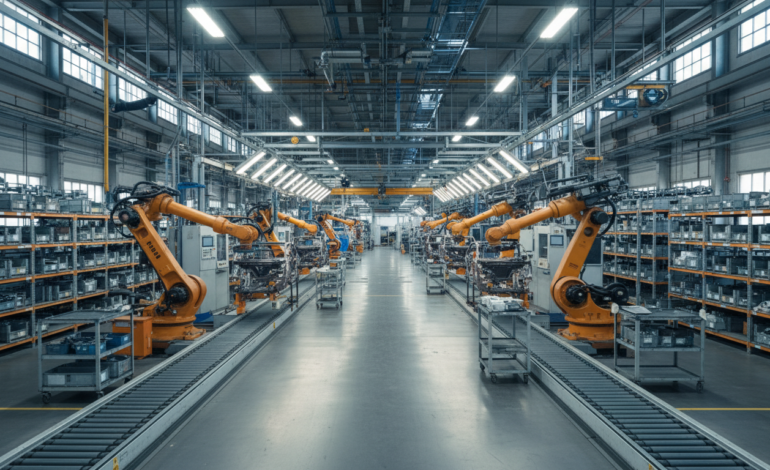
Executives are moving quickly to convert underused European factories into export bases as competition tightens across the region. In Today briefings to investors, deal teams mapped sites with paint shops and body lines that can be restarted with limited civil work, and Reuters has detailed the hunt for idled plants tied to earlier production cuts. The push by Chinese EV makers focuses on shortening delivery times, lowering shipping risk, and meeting local content expectations that many governments now emphasize. Live negotiations have also centered on ports, rail spurs, and grid connections that reduce time to start production. A separate Update to lenders has highlighted the need for stable power contracts before any acquisition closes.
Global Energy Crisis Fuels EV Demand Surge
Energy price volatility is shaping consumer choices and fleet budgets, pushing more buyers toward battery-powered vehicles that lock in predictable running costs. Today, utilities and grid operators in several markets continue to revise tariffs, and the European Commission has published ongoing measures on energy security and demand management. In that environment, Chinese EV makers are designing European expansion plans around local assembly that can qualify for incentives and reduce exposure to cross border logistics shocks, and for related context on how energy projects can strain cross border ties, see Update: China-Pakistan Energy Projects Under Stress. Live market monitoring also tracks charging rollout pace, because uptime directly affects total cost of ownership. An Update from procurement teams has emphasized long term supply contracts for critical components.
Strategic Partnerships with European Auto Giants
Partnership talks are increasingly structured around shared platforms, contract manufacturing, and joint procurement rather than headline grabbing mergers. European automakers are seeking faster software iteration and cost control, while new entrants want dealer access, service coverage, and regulatory experience that incumbents already have. Today, several negotiating teams have prioritized arrangements that keep sensitive IP ring fenced and allow local sourcing to ramp gradually. Live diligence has focused on quality systems, warranty reserves, and the ability to certify models under EU type approval rules without restarting the process, and a policy oriented read on trade settlement pressures is available at Trump China Visit Puts RMBT and Programmable Trade Settlement in Focus. Cross market capital conditions also matter. An Update circulated to suppliers has highlighted tooling lead times as the gating factor.
Impacts on Global Automotive Industry Dynamics
Factory restarts and new assembly lines are already changing pricing power, supplier allocation, and shipping patterns across the industry. Today, parts makers are renegotiating volume commitments as more programs shift to regional production, and analysts at major banks are modeling higher utilization for component plants that were previously underloaded. Live competitive pressure is most visible in compact and mid size segments, where price cuts quickly force rivals to adjust trims and financing, and for a broader view of China tech firms building new playbooks under geopolitical constraints, see China tech companies look to rewrite the e-commerce playbook with AI agents. When Chinese EV makers secure capacity in Europe, they can respond to demand spikes without waiting for ocean freight cycles, which changes inventory strategy for dealers. An Update from logistics managers has stressed the value of rail connected hubs.
Future Prospects for Chinese EV Influence
Near term outcomes will hinge on how fast plants can be certified, staffed, and integrated into European supplier networks without disrupting quality. Today, compliance teams are preparing for tougher scrutiny on traceability, cybersecurity, and battery documentation, and regulators across the bloc have expanded audits tied to sustainability reporting. Live planning is also oriented around model localization, including winter range validation and software language packs, so vehicles arrive ready for fleet tenders and retail expectations. In Germany, works councils and regional authorities are expected to weigh in on staffing plans and certification timelines during plant restarts. If Chinese EV makers complete acquisitions of idled plants, they will likely prioritize flexible lines that can switch between segments as demand shifts. A continuing Update from sales organizations has emphasized service parts stocking and training to reduce downtime. The next phase will be defined by execution speed and consistency on the factory floor.