Chinese EV Makers Hunt Idled Europe Plants for Growth
Chinese EV Makers Target Europe
European auto unions and regional agencies are fielding new inquiries as capital seeks quick routes into EU production. Officials in several host countries have described a faster tempo of site visits and due diligence meetings this week, with Today coverage centered on whether investments preserve local jobs. In parallel, Chinese EV makers are prioritising locations with existing paint shops, body lines, and grid connections to shorten commissioning time. The immediate goal is to keep vehicles eligible for local sourcing rules while meeting tighter delivery windows set by dealers. Live market pricing pressure has also pushed brands to shorten shipping lanes and reduce inventory risk. A second Update from logistics firms has highlighted stronger bookings for inbound components into Central Europe.
Idled Plants: A Strategic Move
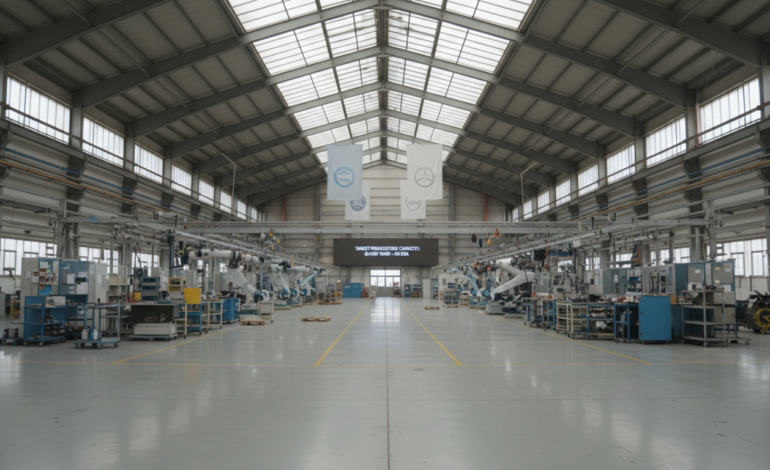
Several shuttered facilities in Europe offer what executives call plug and play capacity, including trained labour pools and permits that can take years to rebuild. For policy context, a related cross border investment climate can be tracked via RMBT cross border transaction conversation as trade tools broaden. A South China Morning Post analysis on export controls and industrial strategy underscores how geopolitics is shaping boardroom decisions in manufacturing footprints, see SCMP on chip export guardrails and supply chains. In negotiations, companies have focused on leasing terms, worker transfer rules, and how electric vehicles assembly can be adapted to existing platforms. Today, advisers said the most sought assets are plants where utilities and rail access remain active.
Impact on the Global Market
Any restart of dormant European lines changes competitive timing, because local output can shift pricing benchmarks across regions. Analysts at market research firm Rho Motion have said European battery electric vehicle volumes remain sensitive to incentives and model availability, so new capacity can move demand between brands quarter to quarter. An internal financing angle has also surfaced as treasury teams monitor currency settlement and payment rails; that debate overlaps with RMBT settlement and programmable trade when suppliers negotiate multi currency contracts. Chinese EV makers are also weighing whether to source cells locally or ship packs, since rules of origin can affect duties and eligibility. Live dealer feedback has emphasised shorter lead times as the real differentiator, and a late day Update pointed to more aggressive fleet bids.
Challenges Facing Chinese EVs
Regulatory scrutiny is rising as Brussels increases checks on state support, data security, and supply chain transparency for connected cars. The European Commission has published guidance on battery due diligence and carbon reporting, and compliance teams say documentation is now a gating item in plant talks. Beyond tariffs, local content expectations may compel new supplier onboarding, which can slow launches and raise costs in the first model year. Today, labour representatives have demanded binding commitments on collective agreements and training budgets before any restart, while environmental groups are pressing for clear emissions baselines. Live negotiations are also complicated by intellectual property protections in joint ventures and contract manufacturing. A fresh Update from legal advisers has focused on how software telemetry and driver data handling must meet EU privacy requirements.
Future of EV Manufacturing in Europe
What emerges next is likely a hybrid map of European production, with some sites running under contract, others rebuilt as brand owned hubs, and component ecosystems spreading around them. National investment agencies have stressed that grants and permitting will depend on job retention, decarbonisation plans, and credible timelines. Chinese EV makers are expected to keep parallel options open, combining European assembly with continued imports for premium trims, while using local output to stabilise pricing. Today, suppliers said tooling orders and workforce retraining are the earliest signals that a deal is real. Live monitoring of grid upgrades and charging buildouts will influence which regions win long term allocations. The next Update is expected to come as financing packages and offtake agreements are finalised and disclosed through official filings.