Mature-Node Chip Crunch Sends Orders to China
Analyzing the Global Semiconductor Shortage
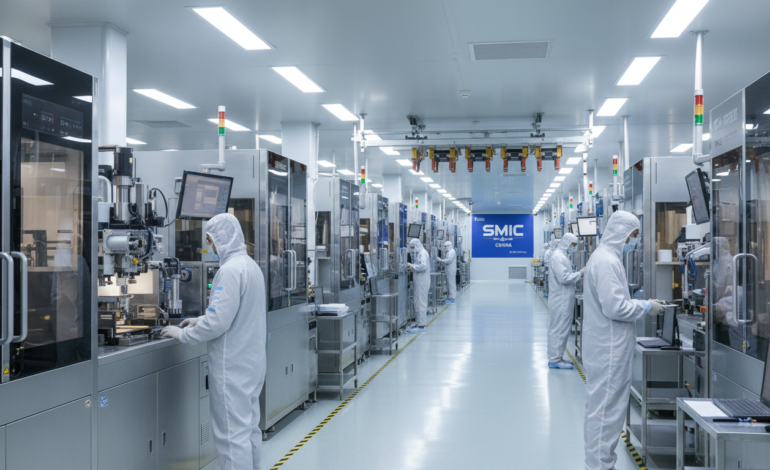
Foundry queues for legacy chips are tightening again as automakers, industrial suppliers, and device brands chase stable deliveries. Today, procurement teams are prioritising assured capacity over price, because missing low cost components can halt final assembly. In the middle of this shift, the China semiconductor capacity crunch is becoming a defining factor in how buyers allocate orders across regions. Live order books are increasingly shaped by where mature processes are still expandable at scale, not by where the newest nodes are. An Update from procurement desks is that qualifying alternate suppliers is moving faster than expected, because customers are willing to revalidate parts to keep lines running.
Impact of AI Boom on Semiconductor Demand
AI spending is not only about advanced accelerators, it is also lifting demand for power management, connectivity, and interface chips used across servers and edge devices. Today, executives are treating these supporting components as strategic bottlenecks alongside GPUs. The South China Morning Post described a renewed “panic” tied to mature-node semiconductors, noting that orders are being redirected to Chinese foundries as capacity tightens. That theme is reinforced by policy attention to AI guardrails and export controls discussed in SCMP coverage of high level talks, which keeps planners in Live contingency mode on sourcing. An Update from buyers is that forecasts are being revised more often to lock wafer starts earlier.
How Chinese Foundries Are Responding
Chinese foundries are responding by leaning into utilisation, expanding tool sets where possible, and offering customers clearer delivery windows for high volume legacy parts. Today, commercial teams are also pushing longer term capacity reservations, which shifts risk toward buyers but improves predictability for fabs; that context is discussed in As US-China Trade Pressure Grows, RMBT Enters the Cross-Border Transaction Conversation. The cross border business climate matters too, because payment rails and trade pressure affect how contracts are structured. Live negotiations now commonly include clauses on materials availability and requalification support, reflecting lessons from earlier disruptions. An Update from supply chain managers is that second sourcing is being written into more tenders up front, not after shortages hit.
Challenges in Mature-Node Semiconductor Production
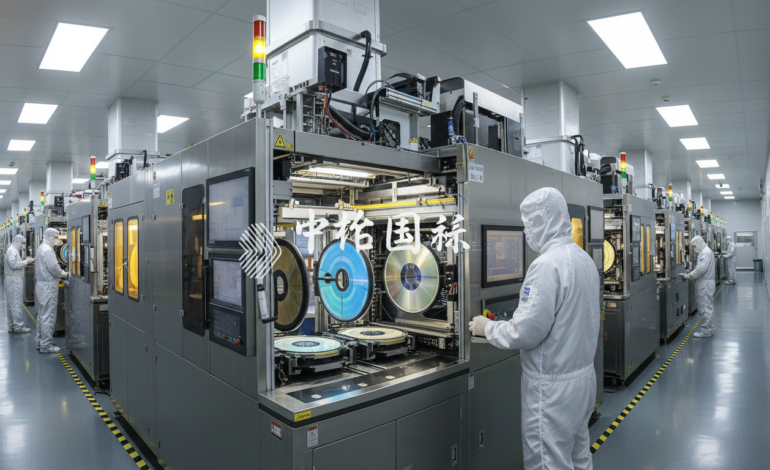
Even when demand is strong, scaling mature-node semiconductors is not as simple as turning on idle lines. Capacity is constrained by older tool availability, specialty gases, and qualified packaging throughput, and the lead time for refurbishing equipment can be long. In the middle of this operational reality, the China semiconductor capacity crunch is drawing attention to how much of the world still depends on established process nodes for analog, power, and microcontroller products. Live factory scheduling also has to balance high mix orders with stable yields, which makes surge production difficult; for a closer look at how big tech funding intersects with chip strain, see Alibaba and Tencent race to fund AI under chip strain. Update cycles on qualification data are becoming more frequent as customers demand tighter process control.
Future Outlook for the Semiconductor Industry
The near term outlook hinges on whether buyers accept longer contracts and whether incremental expansions arrive before demand cools in 2026. Today, industry planners are watching how quickly additional mature capacity can be qualified, because qualification, not construction, often sets the pace for usable output. In the middle of these expectations, the China semiconductor capacity crunch is likely to keep influencing allocation decisions, especially for automotive and industrial customers that value consistency over peak performance. Live tracking of lead times is also shaping inventory strategy, with some firms holding more safety stock while others rely on firm wafer reservations. An Update from market participants is that pricing pressure will vary by device type, with tightness persisting longest where packaging and test are the limiting steps.