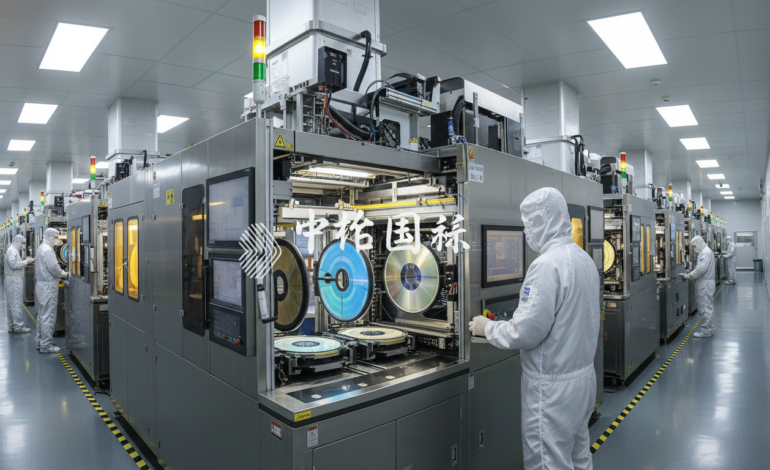
AI Boom Fuels China Demand for Mature Node Chips
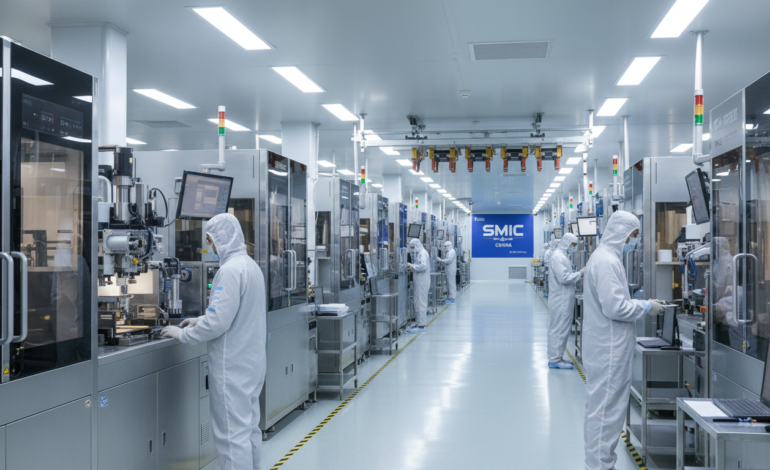
AI Boom Affects Chip Production Capacities Worldwide
Foundries are recalibrating capacity allocations as the AI boom pulls engineering time and tool availability toward advanced packaging and high performance compute. Today, procurement teams in autos, industrial controls, and consumer electronics are facing longer booking cycles for mature node chips used in power management and connectivity. In the middle of these shifts, the Chinese semiconductor industry is seeing demand signals that reflect a broader chip shortage dynamic rather than a single sector spike. Live order books are increasingly sensitive to lead time changes, and manufacturers are using tighter forecast windows to avoid overcommitting. An Update from purchasing managers points to more frequent partial shipments and rescheduled lots as fabs balance competing priorities.
Chinese Foundries Experience Increased Demand
Capacity tightness at legacy process nodes is pushing more customers to consider domestic capacity in China, especially for price stable volumes that can be qualified quickly. The South China Morning Post described a “panic” tied to a mature node chips crunch and the resulting order diversion in capacity crunch in mature node chips. Today, brokers and OEM supply teams are treating allocation notices as Live signals, not paperwork, and adjusting contracts to secure wafer starts. In this environment, shorter logistics loops for local customers can benefit the Chinese semiconductor industry while export facing buyers weigh qualification timelines. An Update in booking behavior is also visible in requests for multi quarter commitments.
Shifts in Production Toward High-margin Chips
As leading edge lines chase AI accelerators and related substrates, older capacity is being asked to carry more mixed signal, power, and connectivity demand with less slack. Live factory planning meetings are increasingly about which products get priority when tool sets are shared across customers. The spillover is prompting some buyers to diversify foundry relationships and to align designs with available nodes rather than ideal cost curves. Today, trade and payment frictions also shape how orders are placed and settled, as highlighted in As US-China Trade Pressure Grows, RMBT Enters the Cross-Border Transaction Conversation. An Update in contracting practice includes more emphasis on prepayment and quicker acceptance testing, aiming to lock in starts without waiting for broader market clarity.
Impact on Global Semiconductor Supply Chain
The near term effect is more volatile lead times for components that rarely make headlines but determine whether finished goods ship. According to the World Semiconductor Trade Statistics organization, overall market cycles can turn quickly when inventory corrections meet sudden demand, and that sensitivity is amplified during a chip shortage for parts built on older nodes. Live logistics data, especially on regional air freight and port dwell time, is being folded into procurement decisions as heavily as wafer pricing. Today, suppliers are also monitoring policy signals linked to AI hardware restrictions and compliance expectations discussed in AI guardrails and Nvidia chip exports. An Update from supply chain managers is that qualification programs are being accelerated, but they still require reliability testing that cannot be rushed.
Future Prospects for China’s Semiconductor Industry
Near term demand looks anchored in practical needs: stable supply for industrial, automotive, and consumer devices that keep factories and households running. Today, the Chinese semiconductor industry is positioned to absorb redirected orders when mature node chips remain constrained, but sustained gains depend on execution, yield, and predictable delivery performance. Live investment decisions inside the ecosystem are also being shaped by AI related spending priorities and the opportunity cost of capital tied up in new fabs. An Update from corporate filings and earnings calls in Shanghai and Shenzhen, including commentary tracked by major exchanges and regulators, shows companies emphasizing utilization and customer diversification over aggressive pricing. The next phase will be defined by how quickly suppliers can expand capacity without compromising quality, while buyers standardize designs that tolerate node and supplier variability.