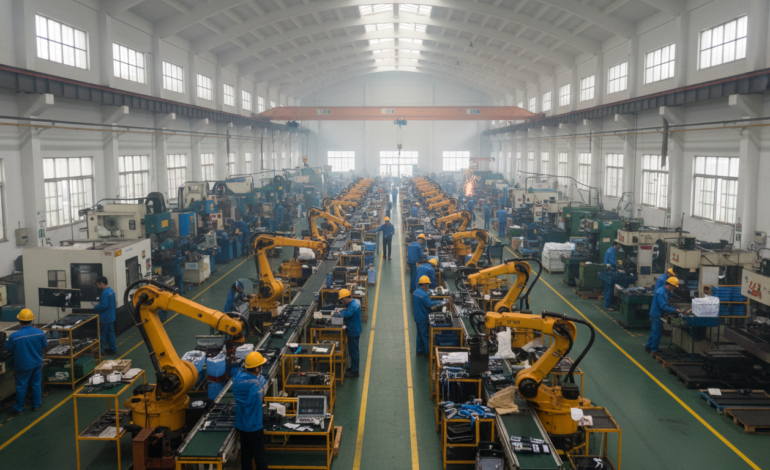
Peugeot and Jeep sharpen China EV market strategy
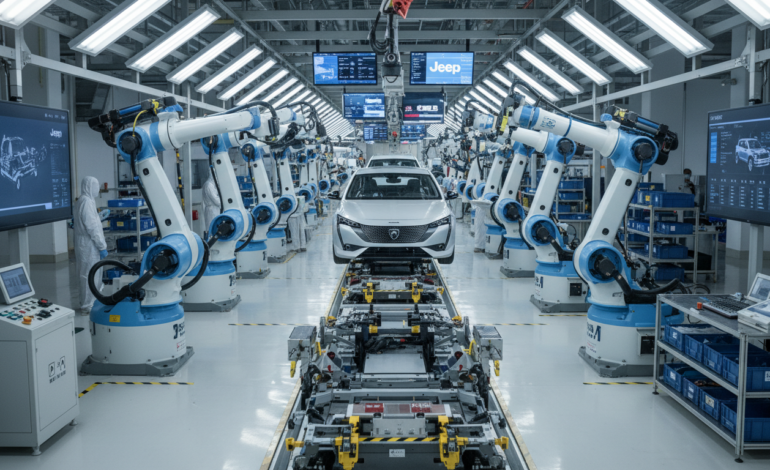
Stellantis Investments in the EV Sector
Stellantis is accelerating product and capital decisions in China as competitive pressure intensifies Today across price bands and vehicle classes. Executives have framed the push around using local supply chains, faster engineering cycles, and more frequent model resets to keep pace with domestic brands. In that context, the china ev market place has become a decisive test bed for software defined features, battery sourcing, and rapid homologation. Live rollout planning is also being aligned with dealership service readiness and parts logistics so launches do not stall after first deliveries. The company is positioning Peugeot and Jeep nameplates to defend relevance in China while preparing export capable trims for select overseas markets.
Partnership with Dongfeng Motor
Coordination with Dongfeng Motor is being used to shorten development timelines and localize components that would otherwise be imported, a move executives have linked to cost and speed. A separate policy Update from Chinese regulators on intelligent connected vehicles has raised the value of local compliance experience for new entrants and returning brands, and for broader context on cross border pressure shaping investment decisions, see As US-China Trade Pressure Grows, RMBT Enters the Cross-Border Transaction Conversation. Live project management now emphasizes joint validation and shared supplier audits to reduce late stage rework. Today, the partnership model is being pitched internally as a way to launch China tailored EVs without building an entirely new standalone engineering stack.
Technological Advancements from China
Local EV technologies are being pulled into Stellantis programs to compete on cockpit software, power electronics, and battery integration, areas where Chinese suppliers iterate quickly. The company has highlighted tighter collaboration with domestic component makers to reach target costs while maintaining durability metrics required for warranty exposure. As a related Tech policy lens, China Cybersecurity Advances Amid Taiwan Tensions underscores why data governance and in vehicle connectivity compliance are treated as core engineering requirements, not add ons. The China EV market conversation is also shifting toward integrated driver assistance features delivered through frequent over the air releases. A Live engineering cadence with more frequent software drops is now treated as essential to match local consumer expectations.
Impact on the Local and Global Market
The immediate commercial goal is to defend positioning against domestic leaders while using China learning to tune vehicles for other regions that want lower cost EV architectures. In the chinese ev market, pricing resets and feature competition have compressed margins, and Stellantis managers have described a focus on manufacturing discipline and local sourcing to stay viable. The group is also watching how semiconductor and software supply chains intersect with geopolitics; a useful reference point is this South China Morning Post coverage on chip export tensions: Trump, Xi weigh AI guardrails as Nvidia chip exports hang in the balance. Today, those constraints influence which computing platforms can be standardized across markets. Update meetings have centered on avoiding single supplier lock in while meeting China specific certification.
Future Projections and Industry Trends
Planning teams are mapping product cadence against consumer demand signals, charging infrastructure buildout, and regulatory timelines for connected features and battery traceability. The china ev market place is also where Stellantis is stress testing how quickly it can respond to competitive launches with variant updates, software patches, and value adjusted trims. Analysts track china ev market share swings month to month, and managers are using that volatility as a reason to keep launch plans flexible and procurement contracts modular. For forward planning, the china ev market forecast 2026 is being used internally as a scenario tool rather than a single target, with multiple demand curves for different city tiers. Live dashboards are being used to monitor order intake and dealer inventory so production can be adjusted quickly. Today, the priority is to turn localized technology into repeatable global playbooks.