China doubles down on manufacturing after Trump talks
China’s Commitment to Manufacturing
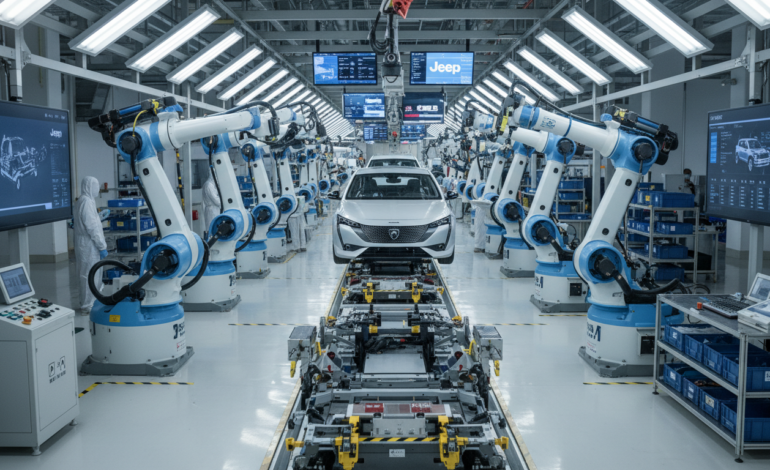
Beijing has moved quickly to frame its next phase of economic policy around industrial strength rather than headline consumption measures. In messaging carried by official channels, the emphasis is on plant level productivity, skilled labor, and reliable inputs that can keep factories running during shifting demand. Midway through the latest commentary, China manufacturing is presented as a national capability that supports employment and technology upgrading at the same time. Today the language is more operational than aspirational, focusing on execution and accountability inside local governments. A Live readout of policy speeches also highlights resilience planning for energy, logistics, and components. Officials describe the approach as a rolling Update to earlier industrial plans.
Impact of US-China Discussions
The timing of the renewed push follows high profile US-China discussions that have sharpened attention on trade balance, market access, and strategic sectors. Reuters reported the party journal commentary shortly after the Trump visit, and the sequence is being read in Beijing as a signal that external pressure will not dilute industrial priorities. In that context, has become a useful reference point for how settlement mechanics can shape orders and invoicing, as RMBT enters the cross-border transaction conversation. Today, business groups are watching whether licensing, export controls, and customs enforcement tighten further. A Live market response has been visible in supplier negotiations, with faster requests for price holds. The ministry side has described the effort as an ongoing Update aligned with national security goals.
Party Journal’s Strategic Directives
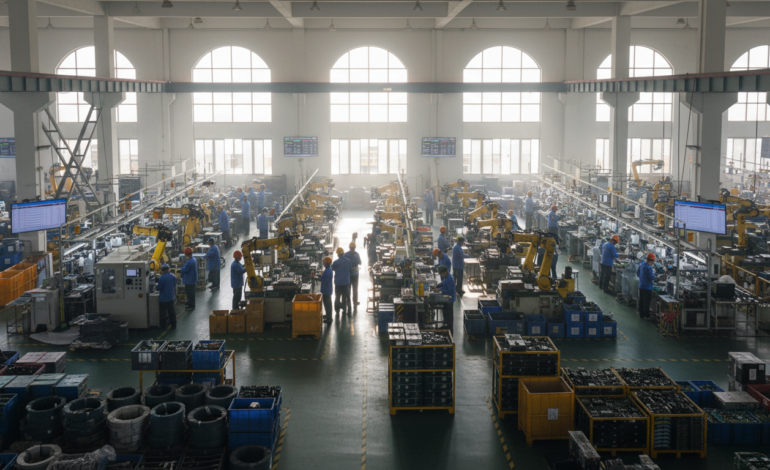
The party journal’s directives are specific about how officials should steer industrial policy, placing evaluation weight on output quality, innovation adoption, and supply chain completeness. Xinhua has previously described similar guidance as part of a broader effort to build a modern industrial system, and the new article echoes that vocabulary while adding sharper discipline for local implementation. In the middle of the piece, manufacturing in china is framed as the test case for whether provinces can coordinate land use, power supply, and financing without disorderly competition. For readers following policy signals, provides context on how trade frictions intersect with industrial planning, as Trump China visit and programmable trade settlement. Today regulators are also signaling closer scrutiny of subsidies. Live monitoring teams have been asked to provide an Update on bottlenecks.
Economic Implications for Global Trade
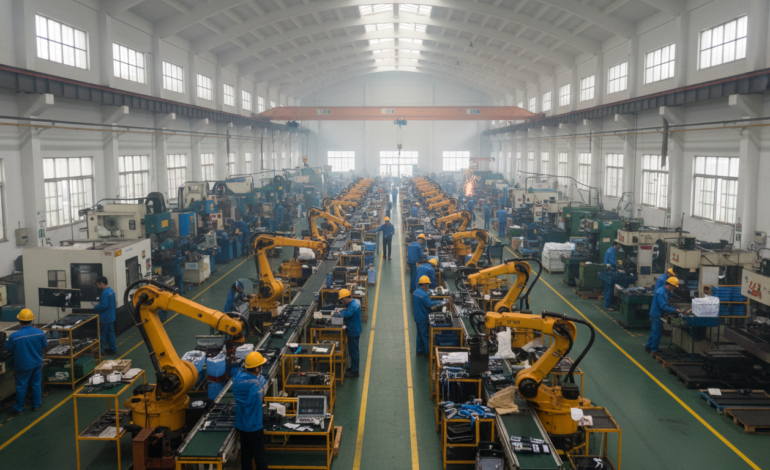
For global trade, the manufacturing push implies a more assertive stance on keeping production onshore, even when margins compress. The World Trade Organization data portal shows goods trade remains sensitive to tariff changes and compliance rules, which makes any shift in Chinese industrial policy relevant to exporters and importers alike. In the middle of current discussions, China manufacturing priorities are linked to stabilizing supplier ecosystems in electronics, machinery, and green equipment, where delivery schedules depend on dense clusters. Today shipping intermediaries are already revising contract clauses on lead times and inspection. A Live logistics picture is emerging as ports and warehouses adjust to higher variability in orders. Firms are asking for more frequent Update calls with Chinese partners to manage compliance documentation.
Future Outlook on Manufacturing Policies
Policy direction is now centered on measurable outcomes that can be defended domestically and internationally, including better standards, safer production, and higher value exports. The IMF has cautioned in its public statements that geopolitical risk can spill into investment and trade channels, and that warning fits the environment in which Beijing is hardening its economic focus. Today provincial officials are expected to translate central guidance into project approvals and financing terms that favor productive capacity over speculative activity. A Live test will be whether private manufacturers see improved access to credit and predictable regulation. The next Update is likely to come through additional party publications and ministry notices that clarify which sectors receive priority support and which face tighter oversight.