China set to buy 200 Boeing jets after talks
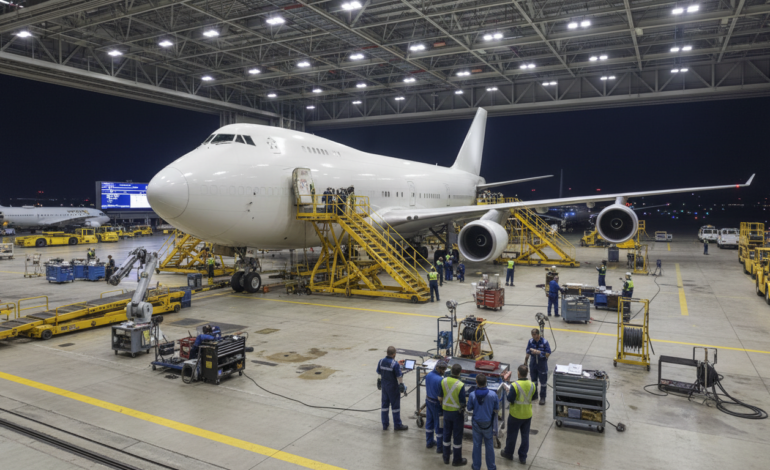
Details of the Boeing Jet Purchase Agreement
Officials framed the announcement as a commercial win tied to the latest round of trade talks, with timing designed to show momentum Today. Speaking about the arrangement, former US President Donald Trump said China would buy 200 Boeing jets, and he added that additional purchases could follow, according to Reuters. The China Boeing purchase is being treated as an early marker of confidence rather than a finished contract set, and final model mix and delivery slots were not detailed in the public remarks. Market participants tracked the news Live because the order size can shift production planning and supplier demand quickly. An Update from Boeing on configuration, financing, and delivery timing will determine how quickly the headline figure turns into firm backlog.
Impact on US-China Trade Relations
The jet commitment landed as negotiators emphasized de-escalation themes, and it was presented as part of a broader China trade deal narrative rather than a stand-alone headline. Reuters attributed the 200-jet figure and the promise of more to Trump’s public comments, while neither Beijing nor Boeing released matching contractual terms at the same moment. For readers following cross-border commerce Today, the signal matters because aviation orders often accompany wider market access discussions. The trade-finance angle has also drawn attention amid currency and settlement debates covered in the RMBT cross-border transaction discussion. Traders watched the reaction Live, and any Update from ministries on tariffs or licensing could reshape the practical value of the aircraft announcement.
Boeing’s Strategic Opportunities in China
For Boeing, the immediate opportunity is to stabilize demand visibility in one of its largest aviation markets while navigating compliance and certification pathways. Analysts often note China’s role in global passenger growth, but specific near-term impacts will hinge on which Boeing jets are selected and how delivery positions are allocated across airlines. The China Boeing purchase, as described publicly, also has competitive implications for Airbus and for leasing firms that place aircraft across Asia. Investors monitored the situation Live because widebody versus narrowbody splits can change margins and factory cadence. A related lens on bilateral ties and market expectations appears in China US ties and shifting Fed expectations. Any Today guidance from Boeing on capacity and supply chain readiness would add clarity for suppliers.
Future Commitments and Potential Expansions
Trump’s statement included a promise of more aircraft beyond the initial figure, but turning that into a schedule requires follow-on negotiations among airlines, lessors, and regulators. Reuters noted the forward-looking language, yet it did not provide a signed incremental quantity, so future commitments remain contingent on commercial terms. To gauge near-term sentiment, readers can track how similar confidence measures are reflected across regional markets, including the IMF’s assessment of economic resilience and risks in Hong Kong, which shapes airline demand assumptions; see IMF on Hong Kong economy and risk factors. The China Boeing purchase could expand if route growth and financing conditions hold, and each Update on approvals will be watched Today.
Challenges and Considerations for Both Nations
Even with high-level optimism, execution risks remain on both sides, from export controls and certification timelines to airline balance sheets and delivery bottlenecks. Boeing has faced intense scrutiny on quality and manufacturing processes in recent years, and any renewed order flow will be judged against operational performance and regulator confidence. The China Boeing purchase also intersects with US-China relations, where policy shifts can affect aircraft deliveries, spare parts, and after-sales services. Stakeholders will keep coverage Live because trade tensions can reappear quickly, altering financing and insurance terms. An Update from China’s civil aviation authorities or US trade officials would be decisive for timing, while Today’s commercial rhetoric still needs contract detail, payment structure, and delivery sequencing to become durable trade outcomes.