After Xi-Trump talks, next moves in rivalry now
Xi-Trump Summit Highlights
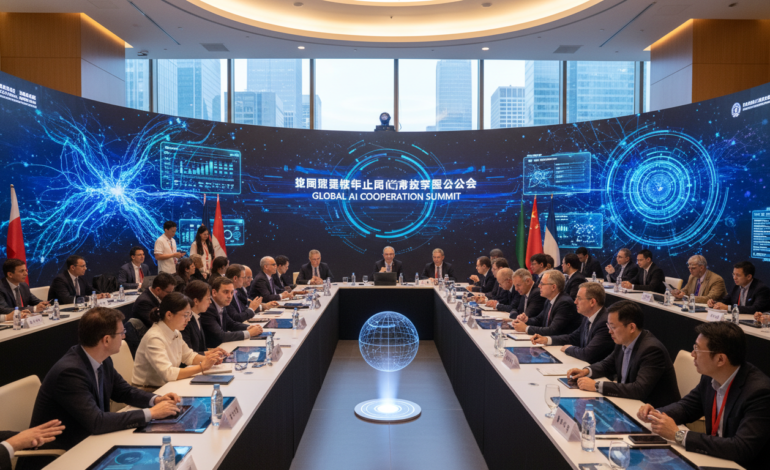
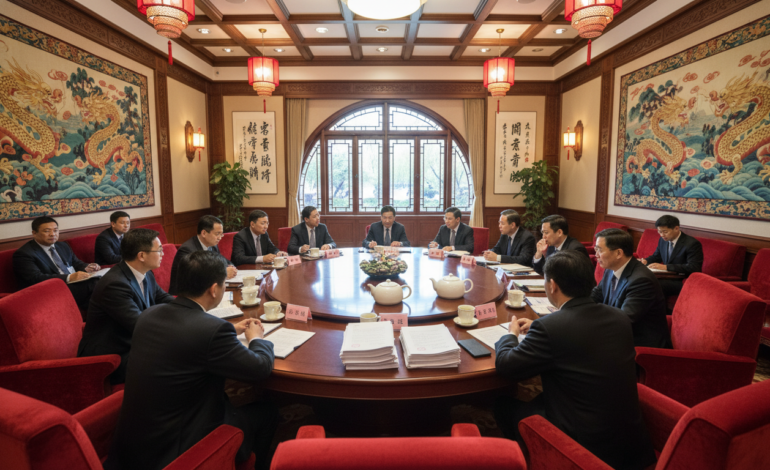
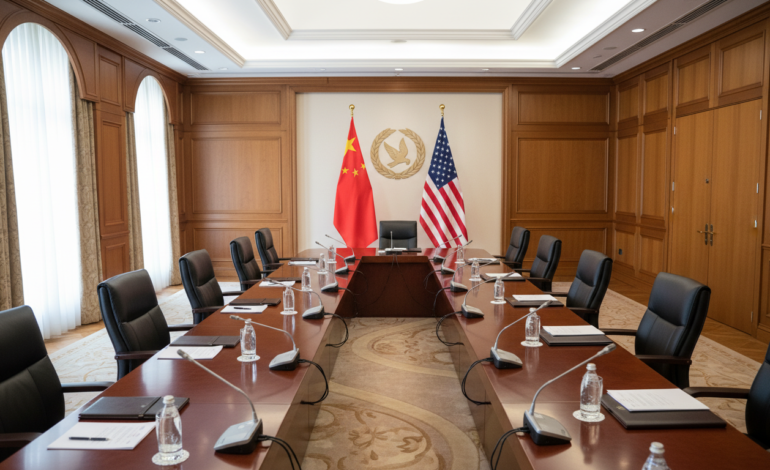
Officials moved quickly to frame the summit as a stabilizing step, while leaving key disputes unresolved. In Today briefings, the White House press office said the talks prioritized crisis communication, market access, and technology restrictions, and Chinese state media summarized a call for mutual respect and managed competition. In the middle of the readout, US-China relations were described by US officials as needing “guardrails” to prevent accidents, a formulation echoed in earlier public messaging. Live coverage focused on the tone rather than new deliverables, with aides emphasizing follow up meetings between national security and economic teams. The session ended with both sides signaling continued engagement, even as timelines for concrete outcomes were not specified.
Strategic Questions Following the Summit
What comes next hinges on whether the two systems can turn dialogue into operational channels that work under stress. A Live question for both capitals is how quickly working level contacts resume on military deconfliction, with the Pentagon routinely pointing to risk reduction as a priority in its public statements. In a related signal on economic frictions, settlement discussions intersect with political pressure, as tracked in As US-China Trade Pressure Grows, RMBT Enters the Cross-Border Transaction Conversation, offering context for the next negotiating cycle. Xi Jinping and Donald Trump each face domestic constraints that narrow room for compromise, which officials acknowledged in Today background calls. US-China relations will face an early readout when a scheduled ministerial meeting date is disclosed, and an Update on any planned sessions will be the first practical test of intent.
Implications for US-China Trade Relations
Trade teams are now expected to triage issues that can be compartmentalized from security disputes, especially where tariffs, export controls, and investment screening overlap. US-China relations in the trade lane are increasingly shaped by technology policy, and the US Commerce Department has repeatedly stated that restrictions on certain advanced chips target national security concerns. In a separate policy track, payment infrastructure could become a bargaining point alongside market access, as outlined in Trump China Visit Puts RMBT and Programmable Trade Settlement in Focus. Live market attention today remains fixed on whether any limited exemptions or licensing clarifications emerge. An Update from either treasury side on technical talks would indicate whether both governments want to reduce uncertainty for firms.
Potential Shifts in Diplomatic Strategies
Diplomats are also watching for procedural changes that could reduce miscalculation, including more frequent leader level calls, clearer red lines, and better crisis messaging discipline. US-China relations in this phase may be influenced by financial stability concerns in the region, with multilateral institutions warning that shocks can spill across borders. The South China Morning Post reported that the IMF praised resilience but warned of risks tied to war in the Middle East, in IMF assessment of Hong Kong economy and risk outlook, a reminder that macro stress can complicate diplomacy. Today, officials in both capitals appear to be calibrating statements to reassure allies without foreclosing engagement. Live negotiations will depend on whether envoys can separate messaging for audiences from instructions for implementers.
Future Prospects and Stability Goals
The immediate measure of progress will be whether agreed channels function during the next flashpoint, not whether rhetoric softens. US-China relations will be judged by predictable processes for handling sanctions, maritime incidents, and sudden economic moves, with both sides historically relying on ad hoc escalation control when tensions rise. Today statements from US officials emphasized that deterrence and diplomacy must operate in parallel, while Chinese official outlets highlighted sovereignty and development priorities. Live confidence building will likely center on narrow, verifiable steps such as reinstating suspended dialogues or clarifying enforcement boundaries for existing rules. Each side has incentives to avoid a crisis that disrupts growth, but an Update on compliance and follow through will matter more than summit optics.