Liaoning Carrier Drills Raise Japan Tension Levels
Liaoning’s Strategic Drills Begin
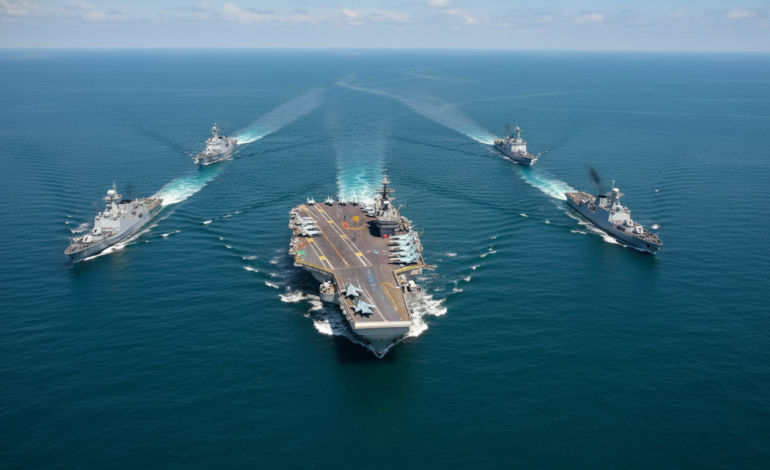
Beijing signaled a sharper operational tempo as the Liaoning carrier group began new maneuvers beyond the first island chain. Military activity is being tracked Today by regional maritime authorities and defense analysts watching flight operations and escort formations. In the middle of the sequence, China aircraft carrier drills were cited by Japan’s Ministry of Defense as the immediate driver of heightened monitoring and information releases. Japan tensions are being framed by Tokyo as a day to day readiness issue, not a one off event, with officials emphasizing observation, communication, and safety. Live tracking data compiled by Japanese authorities has been used to brief the public on movements without disclosing sensitive methods.
Live-Fire Exercises in Pacific Waters
Operational messaging tightened as crews moved from flight routines to weapons training areas in the western Pacific. The emphasis Today has been on professional conduct at sea, with defense officials in Tokyo focusing on separation distances and predictable navigation. In a mid paragraph briefing, an Update from Japan’s Joint Staff described how it continued surveillance of the Liaoning carrier and its escorts, while avoiding close approaches. Coverage of wider diplomatic friction was also linked for context through Putin China visit set to deepen strategic ties in a related regional posture readout. Separately, the Hong Kong policy atmosphere was detailed by the South China Morning Post in a Live public safety report here, Hong Kong to ban smoking at construction sites from July 17.
Japan’s Response to China’s Activities
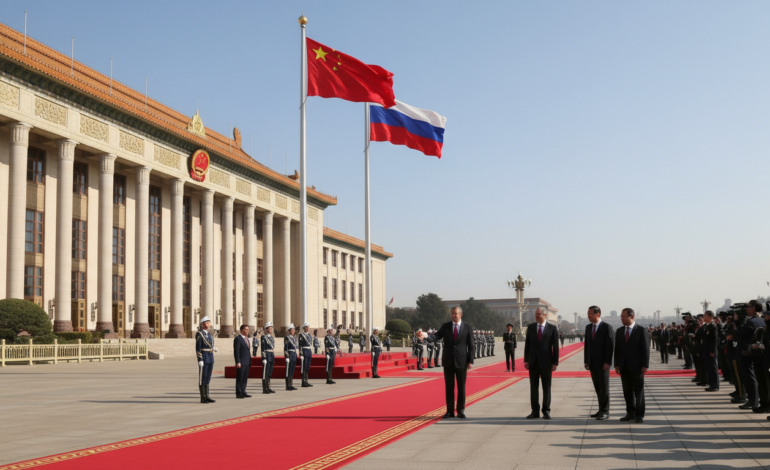
Tokyo’s response has focused on rapid disclosure and calibrated air and sea tracking rather than escalation. Officials said Today that information releases are intended to reduce uncertainty for commercial shipping and regional partners, while keeping operational details limited. In a central briefing, China aircraft carrier drills were referenced as the proximate cause for additional ISR tasking, with Japan’s Ministry of Defense stressing routine vigilance and legal compliance. For broader security context, analysts have compared regional signaling with major power summit choreography described in Beijing in Spotlight as Putin and Xi Hold Summit. Coordination with partners has also included sharing situational awareness products, while avoiding language that could lock diplomacy into rigid positions. An Update cadence remains steady, with officials reiterating safe intercept standards.
Military Implications in the Region
Beyond immediate tracking, the practical implication is a tighter feedback loop between deployments, public statements, and counter deployments. Japan tensions can rise quickly when flight operations occur near contested airspaces, so commanders are pressured to keep encounters predictable. In the middle of current planning discussions, observers note that China aircraft carrier drills also test command and control resilience, logistics coordination, and air wing sortie generation under scrutiny. Live conditions at sea, including weather windows and refueling cycles, shape what can be demonstrated on any given day more than rhetoric does. Regional militaries are also watching how quickly escorts reposition and how consistently aviation operations continue. Today’s activity adds data points for future readiness modeling, while an Update pace in official releases signals that monitoring will remain continuous.
Future Projections of China-Japan Relations
Near term outlook hinges on whether both sides can keep tactical encounters insulated from political disputes. An Update from Japanese officials has emphasized communication channels and consistent procedures, while Beijing continues to describe training as normal naval activity. In the middle of diplomatic scheduling, Japan tensions may ease if notifications and separation practices become more standardized, reducing the risk of miscalculation. Live monitoring will likely persist regardless, because both governments face domestic demands to show vigilance and resolve. Analysts also point to the interaction between maritime events and wider strategic narratives, including technology and defense industrial policy, as a driver of sustained attention. Today, the immediate priority for regional actors is to keep air and sea contacts professional, while preserving room for dialogue in parallel forums.