World Cup spotlight on China technology brands abroad
Why China technology brands matter at the World Cup
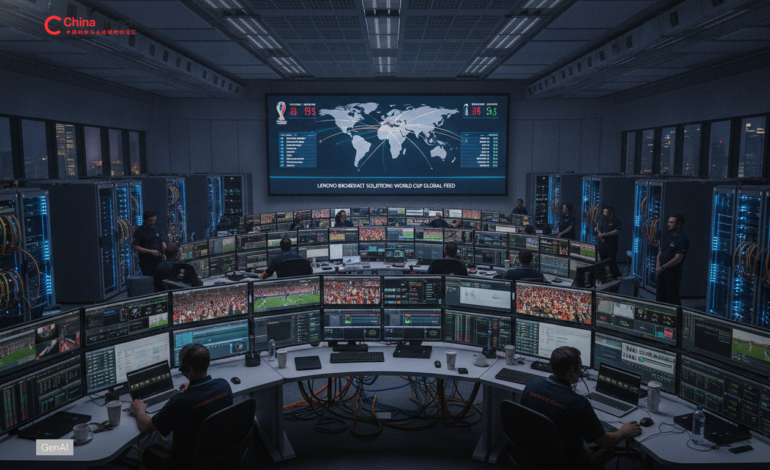
China technology brands have become visible fixtures in World Cup technology supply chains, even when results on the pitch do not involve China. In practice, many organizers and suppliers describe the value proposition in operational terms: global logistics, device fleets, and service teams that can keep stadium operations and broadcast workflows running on matchday. With tournaments spanning multiple venues and fixed kickoff times, organizers typically prioritize uptime, rapid replacement stock, and consistent support processes. That focus can turn sponsorship into an operational partnership rather than a pure logo play, because a single outage can disrupt accreditation, media filing, or venue back office work in minutes. For vendors, the event is also a high pressure proof of service delivery, not just marketing reach.
Lenovo integration in World Cup technology operations
Stadium operations and broadcast workflows often lean on commercial IT suppliers that can deploy at scale and service on tight match schedules, as event operations teams commonly emphasize. Sponsorship inventories can include endpoint computing, on site support, and integration services that keep media, accreditation, and back office teams working across venues. In that context, China-based suppliers and other multinational vendors remain visible because procurement commonly favors reliability and predictable logistics. A tournament can concentrate thousands of staff and contractors across a short window, which generally increases demand for rapid device provisioning, secure identity access, and standardized imaging. Vendors that can meet strict service level agreements, including fast swap outs and multilingual help desks, are typically seen as reducing operational risk and simplifying planning across different host cities.
Geopolitics, compliance, and cross-border tech partnerships
Commercial partnerships around sport may now sit inside a contested policy climate that can potentially affect chips, cloud services, and cross-border data handling, as indicated by coverage of global technology policy. When sponsors sign, they also tend to manage compliance and reputational screening in multiple jurisdictions, including procurement rules for public venues and broadcaster standards for security assurance. Similar scrutiny can follow China technology brands that sell into enterprise clients beyond sport, shaping contract language on audits and supply chain traceability. Coverage on tech competition shows how export controls and capital access can influence vendor roadmaps and pricing for global customers, as seen in MetaX Hong Kong share sale plans. Depending on supplier dependencies, such constraints may also affect lead times for components and long term support commitments.
Why Chinese brands keep winning major event tech roles
For event owners, sponsors are typically evaluated for cash, category coverage, and the ability to support partners across continents, not only for nationality optics. That is one reason Chinese consumer and enterprise suppliers can keep expanding their presence across tournaments, concerts, and multi sport events, where logistics and service desks matter as much as advertising boards. The pattern connects to how infrastructure and technology tie ups are packaged in other regions, including corridor projects and energy build outs that require vendor ecosystems, as discussed in CPEC energy projects drive Pakistan power build momentum. China technology brands can also benefit when venue IT stacks are standardized, because once an operator trains on one platform, switching costs can rise and renewals can become more likely.
Reputation, security assurance, and what comes next
Brand lift from sports exposure is widely discussed in marketing and sponsorship coverage, but it can arrive alongside tougher questions about governance, privacy, and product assurance that enterprise buyers increasingly ask. Regulatory normalization is one explanation cited in industry commentary for why vendors prioritize audit readiness and clearer risk statements, reflected in China tech regulation shifts to steadier, clearer oversight. Sports organizers, federations, and broadcasters often mandate security controls and incident processes aligned with corporate best practice, which can pressure vendors to publish clearer documentation and maintain local compliance teams. That reputational competition does not stop at event boundaries, and it can carry into telecom, cloud, and device sales. For China technology brands, future sports deals are likely to hinge on measurable uptime, documented security reviews, and long term support contracts that can stand up to procurement scrutiny.