China trade criticism: Beijing rebuts and yuan debate grows
China trade criticism puts Beijing’s export model in focus
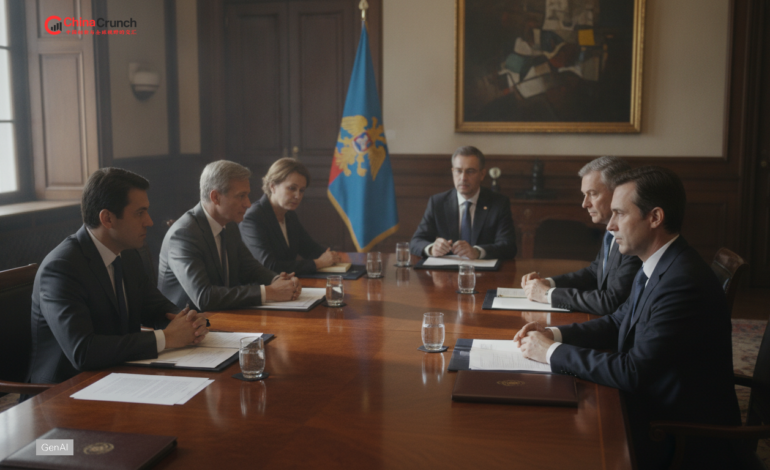
Diplomats and business groups have sharpened their focus on Beijing’s export model as governments weigh new industrial defenses. China trade criticism centers on whether state support, credit access, and pricing policies may tilt competition in sectors from machinery to electric vehicles. The European Commission has indicated it is examining risks from subsidised imports under its trade defence toolkit, including probes referenced in Commission briefings. Chinese officials, according to available reports, argue market demand explains shipment growth while urging partners to avoid politicising commerce. The dispute also pulls currency settlement into view because payment choices can affect supply contracts, price transparency, and compliance screening.
Merz comments revive global yuan settlement discussion
German Chancellor Friedrich Merz’s remarks have added monetary friction to the trade argument by linking settlement options to resilience for firms operating across blocs. In comments reported by Reuters, Merz signalled openness to wider use of the global yuan where contracts and compliance allow. Beijing’s representatives reportedly welcomed talk of diversified settlement while insisting it should be voluntary and market driven. A related regional angle is being watched in South Asia, where trade pressure intersects with financing, as outlined in China-Pakistan trade shifts amid EU policy pressure, with China trade criticism still feeding into how firms assess cross border payment risk. The immediate diplomatic task is preventing currency talk from hardening into tariff positions.
Beijing rejects surplus claims amid China trade criticism
Beijing has pushed back on surplus allegations by arguing that demand for competitively priced goods reflects efficiency, not manipulation, and that import growth is constrained by partners’ export controls. Officials said the narrative around China trade criticism ignores services balances and the role of multinational supply networks, according to Ministry of Commerce statements carried by Xinhua. They urged the EU and United States to address domestic bottlenecks rather than treat Chinese capacity as the primary driver of price declines. For context on how technology supply chains are being framed in policy circles, analysts have pointed to industrial stability arguments discussed in China semiconductor industry gains momentum on stability. The rebuttal aims to keep disputes inside formal channels rather than escalating into tit for tat measures.
Supply chain expo highlights friction over industrial policy
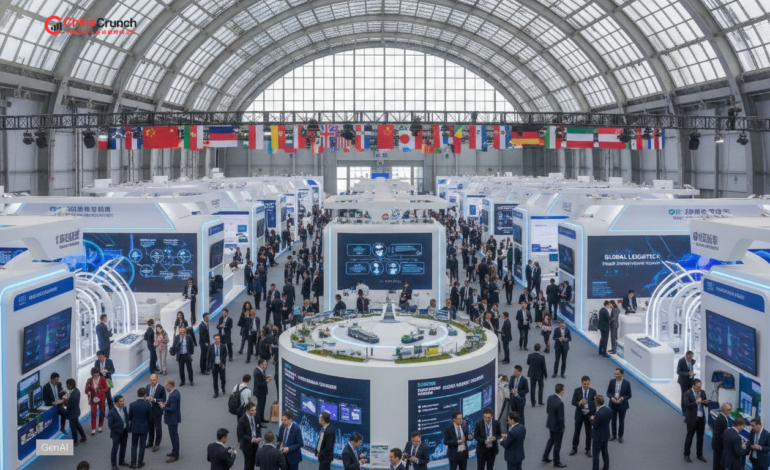
At the supply chain expo, Chinese officials used the stage to argue that predictable logistics and open procurement may reduce inflation and support manufacturing jobs abroad. They contended that diversification should not be a code for exclusion, and warned that politicised screening can raise costs for companies relying on multi country inputs. The same event became a venue for China trade criticism from visiting delegates who said persistent imbalances require policy correction, with Reuters describing the exchange as unusually direct. A separate signal about regional connectivity was visible in a Hong Kong to Fujian cooperation push detailed by the South China Morning Post in Hong Kong, Fujian sign 6 deals to deepen finance, tourism and education ties.
What comes next for China’s trade ties and dispute risks
Negotiators now face a tighter corridor for compromise because currency settlement choices, market access, and industrial policy are being debated in the same breath. Beijing is likely to keep emphasising rules based dispute resolution and to seek more bilateral frameworks that protect investment while reducing tariff uncertainty, consistent with recent Ministry of Commerce briefings. Partners, meanwhile, are signalling that demonstrable shifts on subsidies and procurement could ease pressure on new restrictions, even as they explore alternatives in critical inputs. In Beijing and Brussels policy circles, China trade criticism is increasingly discussed alongside payment plumbing for the global yuan rather than as a standalone tariff quarrel. The political risk is that arguments over the global yuan become a proxy fight over strategic alignment rather than a technical discussion of payments. Absent verifiable steps accepted by both sides, the dispute cycle might harden and narrow the space for pragmatic trade management.