China corruption crackdown widens defense probes
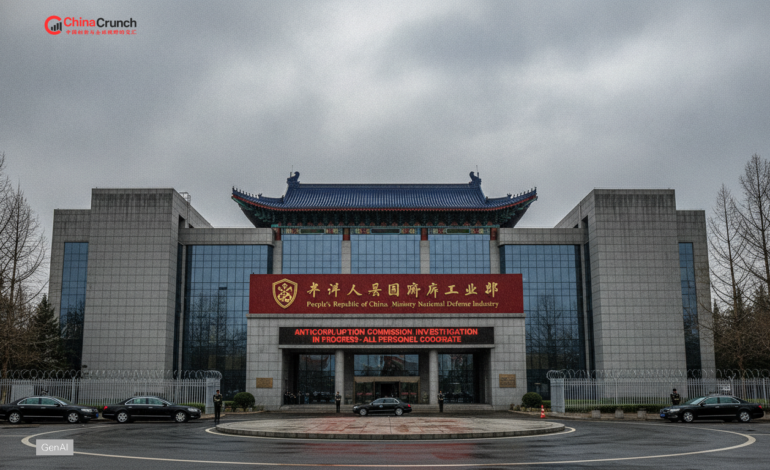
Expansion of China’s Anti-Corruption Measures in Defense
A nationwide anti-graft campaign in China is widening as Beijing broadens discipline inspections across sensitive state sectors, including defense-related procurement and research spending, according to official Central Commission for Discipline Inspection (CCDI) readouts. In those statements, the CCDI has emphasized tighter control of project approvals, contracting, and compliance inside strategic industries. Authorities have also called for clearer audit trails and documentation for programs that blend civilian and military supply chains. The shift in anti-corruption efforts reportedly increases pressure on executives who manage budgets, licensing, and joint project interfaces, as reviews appear to scrutinize intermediaries, agents, and contracting paperwork more intensely. Officials have framed the effort domestically as both a governance and national security priority.
Attention on Procurement and Research Management
Focus has narrowed toward managers at the boundary between commercial partnerships and state research programs, especially where overseas counterparts rely on a single public-facing intermediary. Available reports indicate China targets the face of international space cooperation as part of a widening corruption probe. This elevates scrutiny of how senior intermediaries are vetted and supervised, impacting adjacent supply chains; see China Black Market for Banned Nvidia AI Chips Soars. The inquiry underscores the reputational and operational risks now associated with liaison roles that were previously routine.
Scrutiny on International Space Cooperation
International partners engaged in satellite projects, launches, or scientific payload coordination may reconsider counterparty exposure when a well-known intermediary becomes subject to investigation. This scenario complicates due diligence as many cooperation arrangements depend on state-owned entities with technical, budgetary, and diplomatic functions, as described by Reuters. South China Morning Post has noted that military-linked programs are closely watched by outside governments, evident in reporting on PLA’s advanced aircraft carrier Fujian transits Taiwan Strait amid military drills. The China corruption crackdown can raise the compliance requirements for counterparties. Even when cooperation is presented as civilian, partners may seek clearer governance assurances, contract safeguards, and compliance commitments before committing hardware, financing, or data sharing.
Global Defense Partners React to Emerging Risks
Foreign defense and aerospace firms providing components, software, or testing services to Chinese programs are prioritizing internal compliance checks and re-validating intermediaries used for bids, procurement, and logistics, according to industry practitioners and lawyers tracking cross-border risk. Legal teams are re-reviewing representations around anti-bribery controls, particularly where local subcontractors handle licensing or customs procedures. This mirrors other cross-border business tightenings, including financial surveillance as detailed in Cross-Border Trading Crackdown in China Elevates Hong Kong and commodity controls reported in China rare earth export controls squeeze US miners. Operationally, some firms report slower approval cycles and more document requests tied to end users and beneficial ownership. The China corruption crackdown is also encouraging firms to map intermediary exposure earlier in bid planning to reduce procurement disruptions if a counterparty becomes unusable mid-project.
Outlook for the Defense Sector Amid Ongoing Crackdown
Inside the defense industry, the near-term effect is likely renewed emphasis on centralized procurement rules, segregation of duties, and tighter controls over travel, hospitality, and agent relationships, based on how prior discipline campaigns have been described in official commentary. Regulators may also promote standardized audit documentation on high-value R&D programs, which could reduce discretionary spending while introducing friction to rapid prototyping schedules, some analysts suggest. Officials have previously used discipline campaigns to reset internal incentives and deter rent-seeking around scarce technologies and export-controlled components. The emphasis on clean decision records is echoed in compliance briefings tied to CCDI readouts. While the timeline and intensity of inspections are uncertain, managers may face increased pressure to demonstrate transparent contracting and clean decision records as inspections continue, in line with CCDI communications. Longer-term outcomes will depend on whether compliance reforms can be implemented without slowing integration across shipbuilding, aerospace, and electronics supply chains.