Alibaba stock rise in Hong Kong as AI, chips drive jump
Hong Kong shares jump as AI demand and chip efforts lift Alibaba
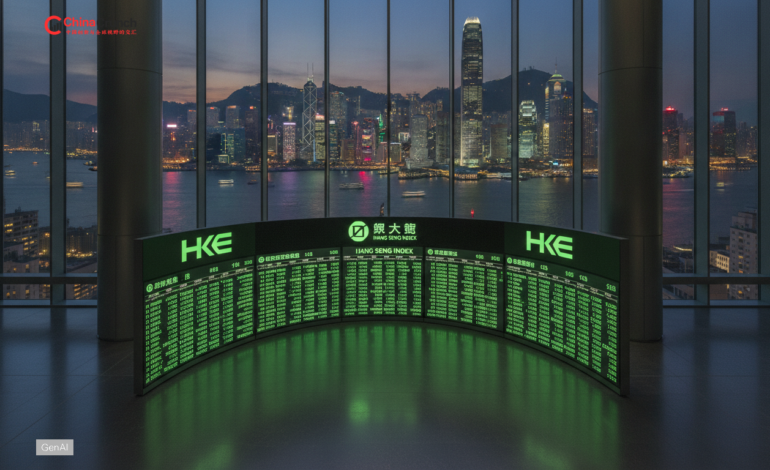
Alibaba shares drew fresh attention in Hong Kong after the company highlighted stronger demand linked to AI products and its in-house T-Head chip efforts. Reuters described the move as a 12% spike in Hong Kong trading, which traders treated as a fast read-through from product traction to near-term earnings momentum. Investors also focused on measurable adoption of AI tools and the infrastructure needed to run them, rather than broad long-range promises. Liquidity and positioning in the Hong Kong stock market appeared to amplify the swing as momentum funds and index-linked flows reacted to the latest commentary and the faster-moving parts of Alibaba’s portfolio.
Market reaction and positioning in Hong Kong trading
Equity desks said the immediate reaction reflected how quickly the market could translate AI product traction into confidence on revenue mix and margins. In parallel, investors tracked the broader supply backdrop for advanced computing, including China OKs limited Nvidia H200 chips for top AI labs as a signal of how sensitive AI buildouts are to constrained components. The strongest flows clustered in Hong Kong, where Southbound connectivity and index positioning can intensify single-name moves, especially after a widely cited percentage jump. Related reporting on circuit board capex for the AI boom reinforced the view that upstream investment is accelerating, supporting risk appetite for large-cap tech.
AI revenue momentum and T-Head chip strategy
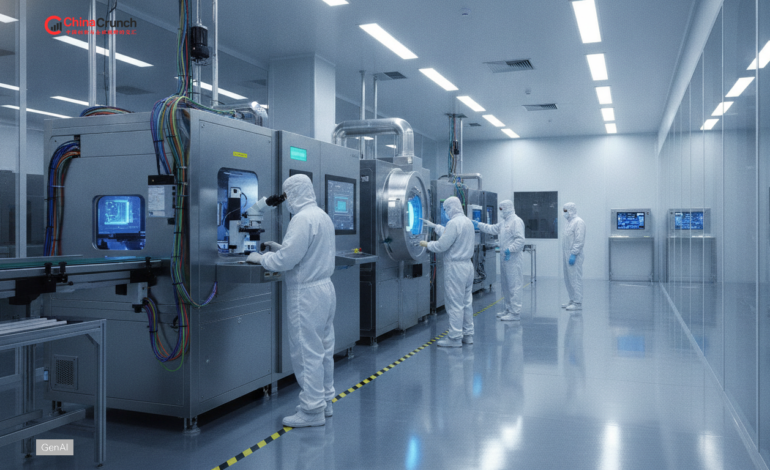
On fundamentals, the market response centered on proof points connecting AI deployment to cash flow and repeatable enterprise demand. Management indicated it is seeing expanding enterprise usage of AI tools, which investors often view as stickier than one-off consumer bursts because it can be bundled into cloud contracts and productivity offerings, and the Alibaba stock rise reflected that shift in emphasis. Hardware progress also mattered: integrating T-Head designs can improve cost control for workloads where proprietary chips fit, and it can reduce reliance on external supply at the margin. For context on how state priorities can shape the domestic innovation pipeline, see China tech innovation overhaul as Xi sharpens engine. Investors showed cautious optimism that AI and chip execution could influence earnings quality, as indicated by available reports.
How Alibaba compares with Tencent and Meituan
Peer comparisons shaped positioning because many global investors allocate China internet exposure as a basket rather than strictly name by name. Tencent’s AI story is typically framed around ad targeting, content, and WeChat ecosystem tooling, while Meituan tends to be judged on local services efficiency and delivery economics. For another view on AI device momentum in China, readers can compare signals in Huawei Shows Cluster, AI Agent Phone at China AI Summit. Alibaba’s pitch differs because it combines commerce scale with cloud infrastructure and some exposure to chip development, which some funds view as a partial hedge against pure consumer cyclicality. The Reuters-noted surge in Hong Kong shares widened short-term performance gaps versus other platform leaders, and that divergence can trigger index and derivatives rebalancing that adds volatility.
Outlook: what must follow after the rally
Forward-looking expectations are now anchored to whether Alibaba can sustain AI-driven demand without sacrificing margins, and whether the narrative is supported by clearer disclosure in upcoming results. Another focus is resilience in hardware-related supply chains, since chip roadmaps remain vulnerable to procurement friction and export controls, and South China Morning Post reporting on Beijing efforts on chip stability and market access illustrates how policy discussions can affect timelines. Analysts will watch how quickly AI features translate into renewals and higher spend per customer, particularly as enterprises rationalize software budgets and scrutinize return on investment. After the 12% jump Reuters reported, the rally raises the bar for follow-through in the next cycle.