AI in Hong Kong taxis could steer drivers to riders
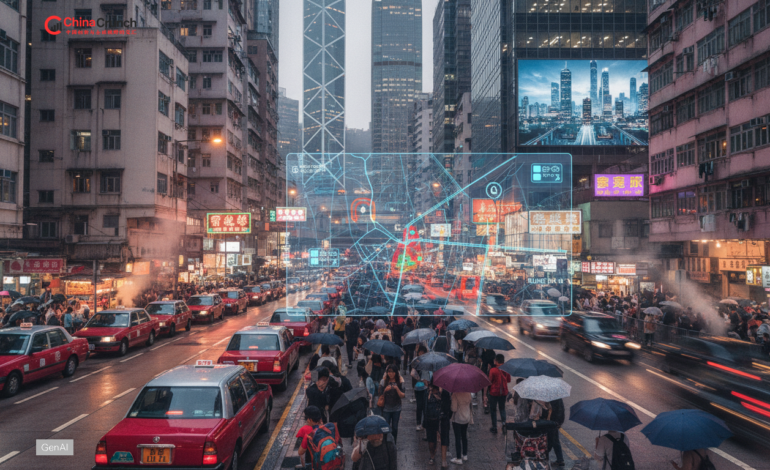
What AI in Hong Kong taxis does for street hails
AI in Hong Kong taxis is, according to available reports, being tested to predict where street hails will occur so drivers can decide where to cruise and when to wait. Instead of relying only on habit, the system can ingest historical trip traces, weather, major events, and traffic conditions to rank likely pickup blocks by time of day. In early trials, the intent is to reduce empty kilometers and shorten passenger waits without requiring riders to install a new app. The goal is practical guidance that fits existing taxi workflows, using probability based heat maps that reflect shifting street activity across districts. The system is described as updating frequently enough for on road decisions, while keeping drivers in control.
How the models are built and who collaborates
Such projects typically combine fleet operators, platform vendors, and university research groups to build demand models that learn fine grained patterns at street level. According to the summary of “How AI could help Hong Kong taxi drivers find customers on the streets,” data governance is often treated as a deployment requirement because raw location traces can identify individuals, so teams generally rely on aggregation, retention limits, and role based access before training. In practice, teams iterate on accuracy by district and by hour to ensure the guidance remains useful beyond a few hotspots.
Data inputs that improve forecast accuracy
Higher quality inputs tend to lift forecast stability. Common features include:
- Rainfall intensity
- Temperature
- Holiday calendars
- Stadium schedules
- Rail disruptions
- Live congestion indicators
Engineers often test short prediction horizons, such as 15 to 30 minutes ahead, because street conditions can change quickly and drivers need actionable guidance. Model updates are usually scheduled multiple times per day, with more frequent inference during peak commuting windows, so the system can react to sudden demand spikes after heavy rain or event dispersals in areas like Central and Tsim Sha Tsui.
Driver earnings and operational impact on the street
For drivers, a common metric is paid distance as a share of total driving, because fuel and time losses add up during deadheading. Fleet managers involved in trials say guidance should complement judgment by showing probability ranges rather than fixed commands. When used well, AI in Hong Kong taxis may help drivers target neighborhoods where short trips cluster during rain or where longer airport bound rides rise after major arrivals, potentially improving hourly yield. For market context on how Hong Kong listed firms view AI capacity, see Alibaba stock rise in Hong Kong as AI, chips drive jump, which can influence vendor investment cycles and rollout speed. Adoption also depends on low friction interfaces and minimal data entry, so many teams aim to embed guidance into existing dispatch screens or lightweight driver apps.
Risks, privacy, and next steps for city deployment
Accuracy, fairness, and privacy sit at the center of rollout decisions, because poor forecasts can waste fuel and erode trust quickly. If models overfit to affluent districts or tourist corridors, they may reduce service in underserved neighborhoods, so evaluation should report performance by district and time block and include periodic audits. Regulators also need clarity on what data is collected, how long it is kept, and which entities can access it when multiple vendors collaborate, including under Hong Kong’s Personal Data (Privacy) Ordinance. Driver groups are likely to scrutinize whether guidance changes working patterns, such as pushing more cruising into residential streets. The safest deployments treat the technology as advisory, keep drivers in control, and publish limitations in plain language. Over time, roadmaps often point to tighter links with roadworks notices and event calendars so guidance improves before congestion becomes obvious.