Chinese AI startups: Moonshot AI pauses Kimi K3
Chinese AI startups face Kimi K3 signup pause
Chinese AI startups are again running into a basic scaling problem: demand can outpace infrastructure. Reports indicate that Moonshot AI has paused new paid subscriptions for its Kimi K3 service while it works through capacity bottlenecks that can affect onboarding and steady usage. Some users have reportedly experienced longer queue times and tighter rate limits, which may push Chinese AI startups developers to revisit workflows built around Kimi’s interfaces. Moonshot has framed the move as a temporary step to stabilise performance rather than a retreat from the market, as suggested by various reports.
What may have triggered Moonshot AI to pause Kimi K3 signups
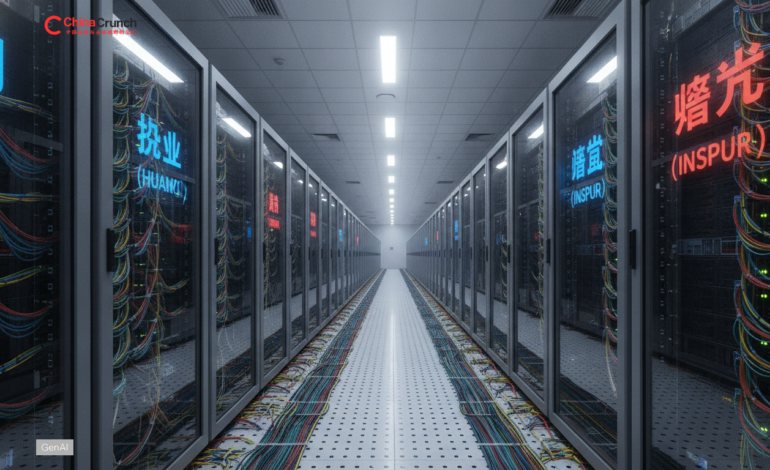
Compute constraints are the stated driver of the suspension, and the impact is immediate when a frontier-scale model is under heavy demand. The South China Morning Post suggested the decision is linked to limited compute resources and the operational challenge of capacity planning in Kimi K3 developer suspends new subscriptions amid compute constraints. Kimi K3 has been marketed for long-context work and strong output in Chinese characters; those positioning claims can imply higher inference costs when sessions are long and concurrency is high. For wider context on access constraints in China tech, Chinese AI startups readers can review Meta WhatsApp AI Chatbot Ban: China Romance Crackdown.
Market response: reliability signals and buyer decisions
In the Chinese AI startups market, developers and buyers often read a subscription freeze as a reliability signal, even when the root cause is scarcity rather than product direction. Procurement teams typically compare vendors on whether they can reserve capacity, publish clearer service level expectations, and communicate rate limits in advance. For an adjacent view on how governance pressures influence deployment choices, US-China AI Rivalry: Governance Models Go Global details how access and regulation shape adoption. Compute limits can also delay feature releases and contribute to slower response times during peak demand, though the degree of impact varies by vendor and workload.
How Moonshot AI may scale capacity and restore access
Moonshot AI’s path back to new subscriptions likely depends on expanding inference capacity and tightening admission controls so performance stays stable under load. Sources have not published a timetable, so any restoration timeline remains unclear. In general, scaling approaches can include adding GPU supply, improving batching, and tiering products so heavy users move into managed lanes with stricter concurrency rules, as Chinese AI startups teams often learn during capacity crunches. Policy and compliance can influence how quickly capacity and features ship; China AI policy tightens as rivalry pressures grow provides related background on the operating environment. Providers may also tune context windows and throttling to reduce cost while preserving quality.
What this means for Chinese AI startups and the ecosystem
For Chinese AI startups, the Kimi K3 pause is a reminder that the frontier race is also an operations race: a strong model can still stumble if service reliability slips. Demand shocks can arrive faster than procurement cycles, leaving Chinese AI startups teams to choose between degraded quality or controlled access. For investors and customers, the ability to secure supply chains, negotiate cloud capacity, and manage peak demand can matter as much as headline benchmarks. Startups that bake capacity planning into go-to-market execution may be better positioned to avoid similar freezes and protect developer trust, especially when products gain rapid adoption.