Hong Kong tests unmanned electric aircraft in maiden flight
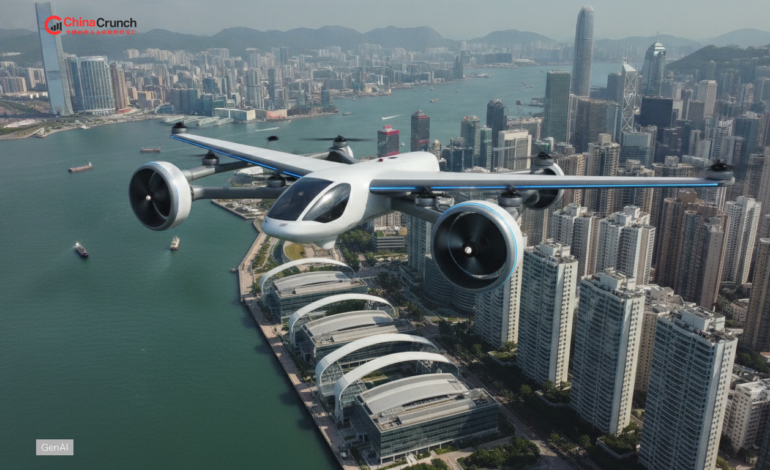
Hong Kong tests unmanned electric aircraft ambitions
Hong Kong is positioning itself as a practical testbed for unmanned electric aircraft operations, aligning trial corridors, safety oversight, and commercial pilots across public and private stakeholders, as indicated by project materials and public briefings referenced by organisers. Officials have also linked the effort to broader innovation programmes that target local talent and aim for operational readiness for routine services, as reflected in organiser briefings and related government communications. The Civil Aviation Department has framed low altitude operations as a priority area for regulated experimentation, focusing on separation, geofencing, and traceable maintenance for battery powered craft, according to statements attributed to the department in local reporting and official communications. In that context, the maiden flight is considered important as it is portrayed as linking policy language to an aircraft in the air, based on organiser descriptions.
Maiden flight details and early safety parameters
The maiden Hong Kong flight reportedly showed controlled takeoff, stable hover, and a managed landing sequence in a supervised environment, based on descriptions provided by the trial organiser and echoed in post-event summaries. For a parallel view of how key components may be sourced, the South China Morning Post reported on industrial planning for self sufficiency, see SCMP report on chip supply chain planning. Operational parameters were described as being defined by the organiser in consultation with regulators, though detailed thresholds were not published in the draft materials. The operator described the vehicle as an autonomous aerial vehicle designed for low altitude routes where precision navigation and contingency handling are crucial, according to the operator’s description shared around the test. Safety teams reportedly maintained clear perimeters and logged telemetry for later review, although the telemetry dataset has not been released publicly.
How the unmanned electric aircraft system was integrated
Executives involved in the project portrayed the flight as an integration milestone, because autonomy, propulsion, and ground control must function as one system before any scaling can be contemplated, based on their comments shared by the organiser. For a regional example of advanced system rulemaking, see China AI security: Beijing weighs US risks and rules. Engineers involved in the test described an eVTOL oriented architecture where flight control software, electric motors, and battery management are tuned together, according to technical briefings circulated by the team. The programme also aligns with broader skills initiatives, including AI courses for SMEs: Hong Kong launches free training, which organisers cite as relevant for monitoring and data analysis readiness.
Low altitude economy impacts and use cases
The immediate significance for Hong Kong is potentially commercial, as planners and industry participants have suggested that demonstrators could help clarify which services might be licensed first and what infrastructure needs to be in place before routine operations. Planners have discussed cargo shuttles, inspection work, and emergency response support as early candidates, since those missions can be constrained to preapproved corridors and tightly controlled landing zones, according to programme discussions described by organisers. An unmanned electric aircraft deployment may change cost and risk calculations by reducing onboard human exposure on repetitive routes, though it still requires strong remote supervision standards, according to industry commentary around these trials. The business case will likely depend on maintenance cycles, battery turnarounds, and the ability to integrate with existing heliports, rooftops, or purpose built pads, as stated by operators and planners.
Next steps for regulation and repeatable operations
Next steps are anticipated to focus on turning one-off demonstrations into a regulated series of flights, with clearer thresholds for permissions, incident reporting, and operator qualification, based on input from organisers and industry participants in Hong Kong. The Civil Aviation Department has indicated that legislative and guidance work will be necessary to define responsibilities for remote pilots, software updates, and third-party suppliers, aligning with the department’s policy direction as reported locally; timelines and specific rule text have not been set out in the draft. Industry participants are preparing to present test results in formats regulators can audit, including maintenance logs and software versioning tied to specific airframes, with analysis workflows similar to those described in China AI advancements: GLM-5.3-Flash on local chips. Stakeholders suggest that an unmanned electric aircraft programme also increases the need for clarity on data retention, cybersecurity, and airspace deconfliction, since higher autonomy can raise the consequences of weak processes, although these points are considered as risk factors rather than confirmed outcomes.