AI courses for SMEs: Hong Kong launches free training
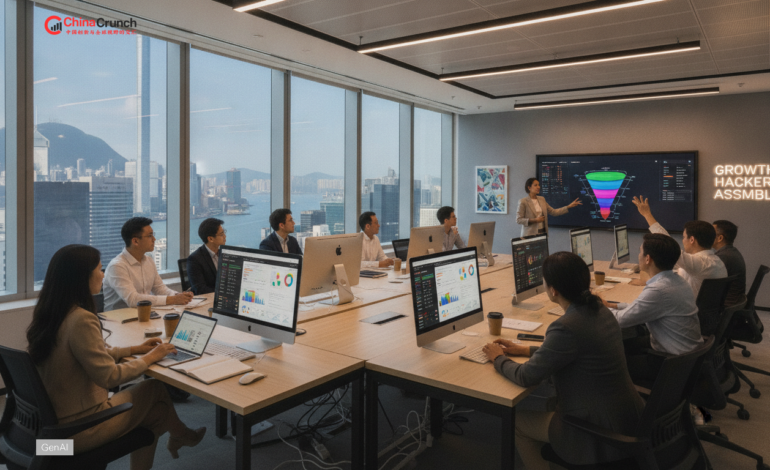
Hong Kong’s free training rollout for small businesses
According to available reports, Hong Kong officials have announced that free AI training is moving from policy promises to practical skills as the government rolls out programs aimed at smaller firms. The initiative targets owners and managers requiring a working grasp of data basics, automation, and safer deployment in day-to-day operations. Organizers have positioned the curriculum as a no-fee entry point intended to reduce the cost barrier that often blocks experimentation. Officials have framed the effort as part of a broader city push to accelerate digital transformation in Hong Kong, emphasizing usable outcomes rather than hype.
How Google and Microsoft support the training program
According to public descriptions of the initiative, major tech vendors like Google and Microsoft are supporting course materials, trainer enablement, and pathways to practical tools. The lessons reportedly align with common cloud and productivity stacks used by local firms, although the exact course content can vary by organizer and cohort. For additional context on cross-border policy pressures that can shape AI procurement, see Nvidia case tests technology transfer export controls. The program also reflects a wider shift toward standardizing governance in enterprise settings, encouraging participants to document how tools are used and how outputs are checked.
What SMEs can gain from practical AI training in Hong Kong
The benefits for SMEs include clearer workflows and faster decision cycles rather than flashy consumer features. Training that connects prompt design, data hygiene, and basic evaluation can help firms reduce time on repetitive tasks, translate documents for trade, and improve customer response handling without necessarily adding headcount. Related coverage at Hong Kong exports surge on AI-related electronics demand highlights how AI-linked demand is affecting parts of the local economy. These sessions can also aid owners in understanding cost controls, including when lightweight tools may suffice and when paid compute could be justified.
Adoption challenges and practical safeguards for SMEs
Adoption hurdles remain practical and immediate, especially for firms lacking clean internal data, documented processes, or staff time to safely test new tools. Even with aligned training, SMEs need clear rules on sensitive information, vendor access, and audit trails for AI-generated outputs. A broader look at model capability trends that can affect vendor choices is available in China AI advancements: GLM-5.3-Flash on local chips. A common approach is pairing learning with narrow pilots that have clear metrics, such as error reduction and cycle time improvement.
Future implications for AI training and Hong Kong’s economy
The longer-term significance is that workforce capability might become as important a policy lever as infrastructure, especially if local firms adopt common standards for evaluation and accountability. As more people gain skills in choosing models, validating outputs, and managing risk, procurement decisions could gradually shift toward tools that demonstrate measurable value and compliance readiness. These AI courses for SMEs may also facilitate the broader digital transformation agenda when SMEs share a baseline vocabulary for data governance and security. High participation could help create a talent flywheel supporting sector-specific solutions in logistics, retail, and professional services, although the extent remains to be seen.