China recyclers feel impact as US export controls tighten
Challenges facing China recyclers under increasing US controls
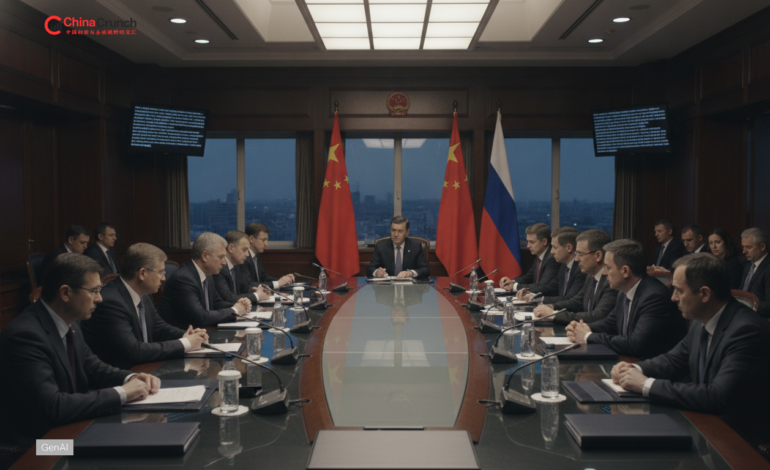
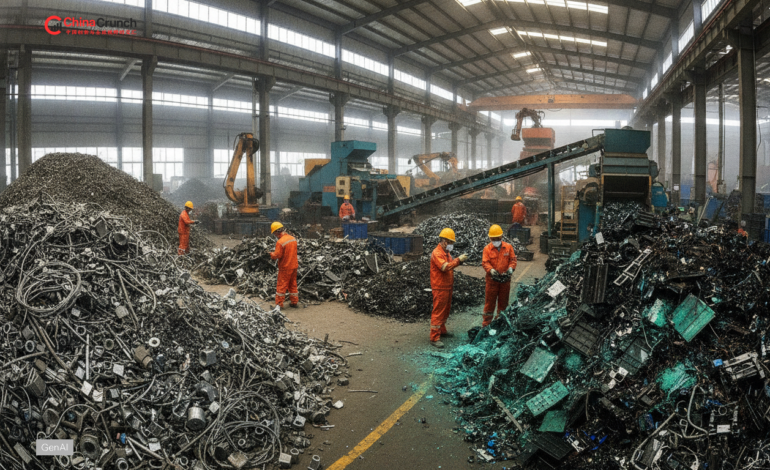
A tighter US export control climate is challenging recyclers with licensing, end-use checks, and product classification reviews reportedly becoming more detailed. Since 2023, those involved in compliance have noticed longer documentation cycles and more frequent requests for origin and end-user information on sensitive materials related to advanced manufacturing. This increased scrutiny is reshaping workflows. For recyclers, this can lead to higher working capital needs when cargoes are delayed, plus the risk of shipment rejection and stranded inventory. Firms dependent on imported scrap or intermediates are rechecking counterparties, bills of lading, and cargo descriptions to minimize re-export exposure. The market impact is increasingly reported as a division between quickly clearing material and slower, more costly channels.
Compliance and paperwork challenges for recyclers
The practical reach of trade tools is reportedly widening as export controls intersect with sanction screenings and stricter customer due diligence. In this environment, recyclers are pricing in compliance quality, not just assay, moisture, or logistics, and sources such as China AI security: Beijing weighs US risks and rules are referenced in discussions about how policy tensions influence commercial decisions. Some traders are treating missing origin statements or weak end-user declarations as factors for discount, while fully documented lots command premiums. It overlaps with broader geopolitical constraints on cross-border flows covered in AI cooperation: US and China seek guarded paths, where compliance capability is a competitive edge for firms managing sensitive supply chains. This shift mirrors other tech policy tensions, and internal audits and counterparty checks are becoming routine.
Tungsten scrap: tighter screening affects supply
For tungsten, market observers note the issue of whether certain scrap grades are treated as controlled when destined for industrial users with restricted profiles. There seems to be a narrower set of compliant routes, which can thin spot availability and increase premiums for well-documented material. Pricing discussions are increasingly centered around traceability, including origin statements and end-user declarations. Buyers may accept fewer counterparties and require more verification time before payment, stretching procurement cycles. Consequently, some lots clear quickly while others remain in bonded storage, creating volatility impacting hard metal and alloy supply chains. Cost pressures may also result in tighter spreads between high-grade and ambiguous lots.
Battery black mass: licensing delays influence contracts
Battery processors face different challenges as black mass is affected by waste classification, hazardous shipping rules, and strategic mineral policy. When shipments experience additional licensing or customs scrutiny, recyclers maintain feedstock longer and absorb more price fluctuations in materials like nickel, cobalt, lithium, and graphite, with examples such as Huawei R&D spending and self-reliance strategy sometimes cited as parallels for resilience strategies. Processors are renegotiating contracts to share compliance costs, including extended inspection windows and revised pricing adjustment clauses tied to delivery timings. The commercial takeaway is that documentation and timing are becoming part of the cost structure for importing battery black mass into China. Battery processors also highlight port variability in checks as a practical constraint that can extend lead times.
Global recycling supply chain implications
A potential consequence of these developments is a more regionalized recycling network, with materials circulating within policy-aligned blocs and fewer cross-border arbitrage opportunities. If tighter controls continue into 2026, available analysis and market insights suggest that recyclers may prioritize higher margin chemistries and alloys due to compliance challenges, while lower margin streams remain localized. Logistics and permitting already influence recycling economics, and trade compliance can behave like a tariff with increased licensing risks. Recycler firms in China are likely to continue investing in documentation and traceability, while overseas buyers may require clear provenance before engaging in long-term contracts. Within China, the strategic response may involve more domestic collection, pre-processing for cleaner intermediates, and selective partnerships to mitigate exposure to controlled cross-border flows.