SCO Summit: China-Russia strategic ties deepen
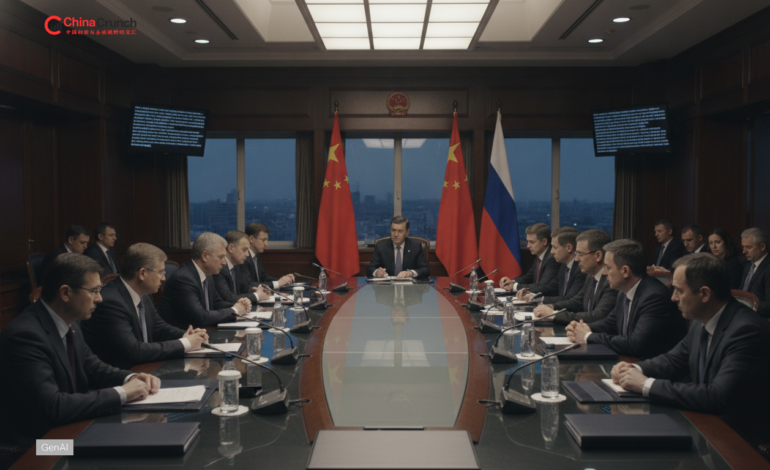
China-Russia strategic ties at the SCO summit
At the Shanghai Cooperation Organisation (SCO) summit, Xi Jinping and Vladimir Putin used public remarks to signal continued coordination on security, trade, and diplomacy, according to available reports. Those statements emphasized sovereignty and non-interference and portrayed the relationship as a stabilizing factor for Eurasia rather than a new treaty alliance, as indicated by public summaries. The messaging also suggested an interest in aligning positions in multilateral forums and managing exposure to Western pressure, based on the themes highlighted in official communications. Regional governments weighing their own security and trade choices were among the implied audiences, though leaders did not provide detailed timelines in public and kept operational specifics for closed sessions.
Strategic objectives shaping coordination within the SCO
The SCO presents itself as a security and development forum, and summit language generally stayed within those boundaries, according to the organization’s stated remit and recurring agenda items. Official priorities commonly include counterterrorism coordination, joint exercises, transport connectivity, and mechanisms intended to ease cross-border trade and investment, as outlined in SCO materials. Moscow and Beijing appeared to use these institutional goals to frame closer cooperation without announcing bloc-style commitments, based on public statements. A related lens on how Beijing frames risk, rules, and exposure management appears in China AI security: Beijing weighs US risks and rules, reflecting an emphasis on process and guardrails to explain how China-Russia strategic ties can expand while remaining formally nonbinding.
What the SCO signals for wider geopolitics
The summit’s immediate impact can be seen as rhetorical consolidation rather than a clear policy pivot: Beijing and Moscow have long argued for global governance that reflects non-Western preferences, a theme frequently echoed in public diplomacy. Xi’s summit diplomacy aligned with longstanding Chinese positions on multipolarity, while Russia has used similar language to challenge US and European influence, according to widely reported official messaging. The bilateral relationship matters because coordination can influence voting behavior, agenda setting, and diplomatic sequencing across overlapping institutions, although coordination levels vary by issue and forum. For insight into how major hubs build resilience in contested technology domains, see Shanghai space-computing hub speeds on-orbit data processing, which tracks capacity building designed to reduce dependence. The signals also appeared aimed at middle powers seeking strategic autonomy while maintaining transactional economic access.
Constraints on trade and financial links
Even as leaders celebrate alignment, constraints remain and were visible in what they chose not to specify publicly. Sanctions risk and payment frictions continue to shape trade routes, and corporate compliance teams often apply stricter limits than political leaders might prefer, according to business disclosures. The IMF and World Bank have warned in various reports that fragmented financial channels can raise transaction costs and impact investment, a risk relevant to countries trying to expand commerce under geopolitical strain. Bilateral cooperation reflects structural asymmetry: Russia seeks markets and technology, while China emphasizes supply chain security and price stability. Beijing’s preference for risk containment occasionally diverges from Moscow’s push for faster geopolitical moves, according to analysts following the relationship.
Outlook for China-Russia strategic ties after the summit
The trajectory suggested at the summit points to more coordination through institutions rather than dramatic treaty-style steps, based on cautious public framing. Beijing is likely to continue prioritizing predictable mechanisms, joint statements, and working groups that can scale without forcing third countries to choose sides, consistent with its typical multilateral approach. Moscow is likely to emphasize security cooperation and political support in international forums, especially where sovereignty themes resonate, as seen in recent diplomatic messaging. The SCO provides a regular schedule for ministerial follow-ups and offers both capitals a platform to court Central and South Asian partners on logistics, energy, and border stability, according to the organization’s calendar. Future cooperation will depend on regional responses, as participation helps determine whether initiatives become routine or remain largely declaratory.