Developer Opportunities in RMBT Ecosystem

The rise of blockchain technology has unlocked unprecedented opportunities for developers to create decentralized applications, smart contracts, and modular solutions. RMBT, a modular blockchain ecosystem, offers a unique environment where developers can not only participate in the digital finance revolution but also contribute to real-world infrastructure projects, public-private partnerships, and tokenized assets. Unlike traditional blockchain platforms focused solely on payments or trading, RMBT integrates financial, operational, and governance layers, creating a dynamic space for innovation. This blog explores the wide range of opportunities available for developers within the RMBT ecosystem, highlighting how they can build, innovate, and shape the future of digital finance and infrastructure.
Modular Architecture for Custom Development
RMBT’s modular blockchain architecture allows developers to build independent yet interoperable modules. Each module can address a specific function, such as payment processing, compliance, project monitoring, or asset management. This separation of concerns enables developers to innovate without affecting the broader ecosystem. For example, a developer can create a predictive maintenance module for infrastructure projects while another works on a dashboard to monitor revenue tokenization. Modular design enhances flexibility, scalability, and collaboration, allowing multiple developers to contribute simultaneously while maintaining system integrity.
Smart Contract Development
Smart contracts are at the core of RMBT’s functionality. Developers can write, test, and deploy self-executing contracts that govern transactions, project milestones, and revenue distributions. These contracts automate processes that would otherwise require manual oversight, reducing errors, delays, and administrative costs. Smart contracts can be programmed for a variety of use cases, from milestone-based payments in infrastructure projects to performance-based rewards in public-private partnerships. For developers, this creates opportunities to specialize in secure contract design, auditing, and optimization, ensuring robust and reliable blockchain applications.
Tokenization and Asset Management
RMBT enables tokenization of infrastructure assets, stablecoins, and revenue streams. Developers can design and implement systems that tokenize real-world assets such as toll roads, renewable energy plants, or municipal bonds. This involves creating digital representations of physical or financial assets, managing their issuance, and integrating mechanisms for tracking ownership and revenue distribution. Developers can also build analytics tools to monitor asset performance, calculate returns, and visualize token flows for investors. Tokenization bridges the gap between traditional finance and blockchain, offering developers a chance to innovate in asset-backed digital finance.
Cross-Border and Multi-Currency Applications
RMBT supports cross-border settlements and multi-currency transactions, enabling developers to create applications that facilitate international finance. This includes modules for automated currency conversion, compliance verification, and real-time settlement monitoring. By integrating smart contracts with international regulatory standards, developers can design solutions that reduce friction in global infrastructure projects, streamline payments, and ensure transparency. Opportunities exist for creating APIs, SDKs, and middleware that connect RMBT’s blockchain with external financial systems, further enhancing cross-border functionality.
Data Analytics and Operational Monitoring
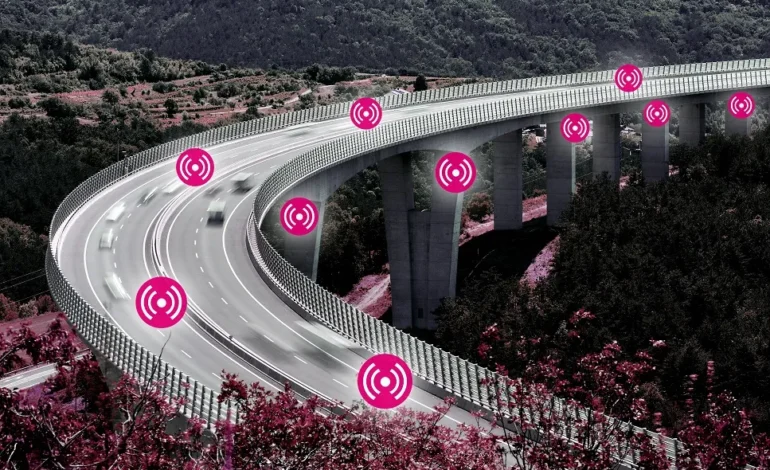
Developers can leverage RMBT’s ecosystem to integrate real-time operational data from infrastructure projects. IoT devices, sensors, and other monitoring tools can feed data into blockchain modules, allowing developers to create dashboards, predictive analytics, and AI-driven decision-making tools. For example, traffic sensors on a toll road or energy output monitors in a solar plant can be linked to RMBT modules to optimize performance, forecast revenue, and automate maintenance schedules. This combination of blockchain and operational analytics creates a rich landscape for developers to design tools that add measurable value to real-world projects.
Decentralized Governance and DAO Integration
RMBT’s hybrid governance model offers developers opportunities to work on decentralized autonomous organizations (DAOs) that manage project or community decisions. Developers can implement voting mechanisms, automated fund allocation, and proposal tracking within a DAO framework. This allows stakeholders, whether investors, governments, or community members, to participate in governance processes transparently. Developers who specialize in DAO architecture, governance tokenomics, and voting mechanisms play a crucial role in ensuring fairness, security, and scalability within the RMBT ecosystem.
Integration with External Systems
Developers can extend RMBT functionality by integrating with existing financial systems, ERP software, or regulatory platforms. This includes connecting blockchain modules with payment gateways, banking APIs, compliance databases, and reporting tools. Such integrations enhance interoperability, allowing RMBT to operate seamlessly within broader financial and operational ecosystems. Opportunities exist for developers to build middleware, connectors, and plugins that facilitate smooth interaction between blockchain modules and traditional systems, expanding RMBT’s reach and practical utility.
Security and Auditing Roles
Security is a top priority in any blockchain ecosystem. Developers can specialize in auditing smart contracts, implementing cryptographic protocols, and ensuring the integrity of blockchain modules. This includes penetration testing, vulnerability assessments, and continuous monitoring for potential threats. Given RMBT’s use in financial and infrastructure applications, robust security measures are essential to maintain trust among stakeholders. Developers with expertise in cybersecurity, blockchain security standards, and regulatory compliance are in high demand within the RMBT ecosystem.
Education and Community Development
Beyond technical roles, developers have opportunities to contribute to community education and ecosystem growth. This includes creating tutorials, developer toolkits, and open-source modules to onboard new contributors. Developers can also participate in hackathons, workshops, and training programs offered by RMBT to cultivate skills and foster innovation. By sharing knowledge and building collaborative tools, developers not only strengthen the ecosystem but also enhance their professional networks and reputation in the blockchain community.
Infrastructure Project Dashboard
Imagine a developer building a dashboard for a tokenized toll road project. The dashboard integrates real-time toll data, revenue token flows, compliance reporting, and milestone verification through smart contracts. Investors can track performance, regulators can verify compliance, and operators can monitor operational efficiency. By contributing to such a module, a developer directly impacts project transparency, efficiency, and investment attractiveness, illustrating the tangible value of developer contributions in the RMBT ecosystem.
Future Outlook and Scalability
The RMBT ecosystem continues to expand, offering developers opportunities in emerging areas such as AI-powered predictive analytics, ESG reporting, renewable energy financing, and decentralized finance applications. Modular design ensures that new projects or modules can be added without disrupting existing operations, allowing developers to innovate rapidly. By participating in RMBT development, technical professionals can contribute to scalable, globally impactful solutions while gaining exposure to cutting-edge blockchain applications in finance and infrastructure.
Conclusion
The RMBT ecosystem provides a dynamic and versatile platform for developers, combining modular blockchain architecture, smart contracts, tokenization, and real-world infrastructure applications. Developers can specialize in smart contract design, asset tokenization, cross-border applications, data analytics, DAO governance, security, and system integration. By building within RMBT, developers play a pivotal role in shaping the future of digital finance, infrastructure management, and public-private collaboration. As the ecosystem grows, these opportunities offer not only professional growth but also the chance to contribute to transformative, real-world projects that drive transparency, efficiency, and economic development.