China’s Li-Ion Manufacturing Capacity and Exports
China has emerged as a global leader in lithium-ion (Li-ion) battery manufacturing, supplying energy storage solutions for electric vehicles (EVs), consumer electronics, and industrial applications. By 2025, China dominates both domestic production and international exports, driven by large-scale industrial capacity, technological innovation, and government policy support. The country’s extensive manufacturing ecosystem encompasses raw material processing, cell production, battery assembly, and integration with EV platforms. This blog examines China’s Li-ion manufacturing capacity, export trends, technological capabilities, and the implications for global energy storage and EV markets.will dominate
Government Policies Supporting Li-Ion Manufacturing
Policy support has been a key driver of China’s Li-ion dominance. National and provincial authorities provide subsidies for battery production, tax incentives, and grants for research and development. Policies prioritize high-energy-density cell production, industrial clustering, and supply chain security. Strategic initiatives like “Made in China 2025” encourage domestic innovation, while environmental regulations promote sustainable and safe manufacturing practices. Policy frameworks also support talent development, workforce training, and collaborative research with universities and industry leaders.
Expansion of Manufacturing Capacity
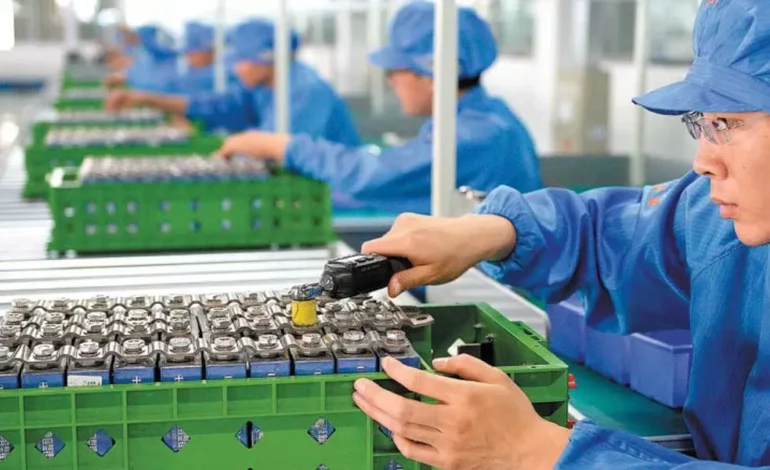
China’s Li-ion battery production capacity has expanded rapidly in recent years. Major manufacturers, including CATL, BYD, and CALB, operate gigafactories capable of producing hundreds of gigawatt-hours annually. These facilities feature advanced robotics, AI-based quality control, and modular production lines to handle various battery chemistries and formats. By 2025, total domestic production capacity exceeds global demand in several key battery segments, positioning China as a reliable supplier for both domestic EV manufacturers and international clients.
Technological Capabilities and Innovation
Chinese manufacturers continue to advance Li-ion technology to meet evolving EV and energy storage requirements. Innovations include high-nickel cathode formulations, silicon-dominant anodes, and optimized electrolyte compositions to improve energy density, charging speed, and lifecycle performance. Thermal management systems, AI-driven monitoring, and intelligent pack designs enhance safety and reliability. These technological capabilities allow Chinese batteries to compete globally in both performance and cost, supporting a wide range of applications from premium electric cars to industrial energy storage solutions.
Supply Chain Integration
China’s Li-ion battery ecosystem benefits from comprehensive supply chain integration. Raw materials such as lithium, cobalt, nickel, and manganese are sourced domestically or through secured international partnerships. Downstream processes, including electrode fabrication, cell assembly, and battery pack integration, are closely coordinated with EV manufacturers and industrial clients. This vertical integration ensures consistent quality, cost efficiency, and rapid response to market demand, providing a competitive edge in both domestic and international markets.
Export Trends and Global Market Share
China exports Li-ion batteries to Europe, North America, Southeast Asia, and other regions, supplying EV manufacturers, energy storage developers, and electronics companies. Export volumes have grown steadily, reflecting global demand for reliable, high-performance batteries. In 2025, China accounts for a significant share of global Li-ion exports, reinforcing its position as a key supplier in the energy transition. Export strategies include establishing overseas warehouses, collaborating with local assembly partners, and complying with international standards for quality, safety, and environmental performance.
Industrial Clusters and Gigafactory Networks
China’s battery manufacturing is concentrated in industrial clusters that integrate production, R&D, and logistics. Cities like Ningde, Shenzhen, and Xiangtan host multiple gigafactories, creating economies of scale and fostering innovation. Shared infrastructure, talent pools, and supplier networks support efficient operations and reduce production costs. These clusters also facilitate rapid scaling of production in response to growing EV adoption and industrial energy storage demand.
Environmental and Sustainability Initiatives
China’s Li-ion manufacturing policies emphasize environmental responsibility. Factories implement water recycling, energy-efficient processes, and emissions control. Sustainable sourcing of raw materials, battery recycling programs, and circular economy practices are encouraged to minimize environmental impact. Manufacturers also explore second-life applications for used batteries, integrating them into stationary energy storage systems to extend utility and reduce waste. Sustainability initiatives ensure that the growth of Li-ion manufacturing aligns with China’s environmental and carbon reduction goals.
Challenges in Manufacturing and Export
Despite its dominance, China’s Li-ion industry faces challenges. Supply chain volatility for critical raw materials, geopolitical trade restrictions, and competition from emerging battery producers require strategic planning. Technological challenges include scaling advanced chemistries, maintaining quality at high production volumes, and integrating safety features across diverse applications. Exporters must navigate international regulations, tariffs, and standards compliance while ensuring timely delivery and performance consistency. Addressing these challenges is critical to sustaining global leadership.
Integration with Electric Vehicle Growth
Li-ion battery production is closely linked to China’s expanding EV market. Batteries power passenger vehicles, commercial fleets, and public transport, driving domestic demand. Manufacturers collaborate with automakers to develop customized battery packs optimized for specific vehicle models, enhancing performance, range, and safety. By aligning production capacity with EV adoption trends, China ensures a stable supply of batteries to meet the growing domestic and international market requirements.
Technological Standardization and Quality Control
Maintaining consistent quality is essential for global competitiveness. Chinese manufacturers implement rigorous quality control, ISO certifications, and AI-driven inspection systems across production lines. Standardized cell formats, voltage levels, and safety certifications facilitate integration with international EV platforms and energy storage systems. Continuous improvement initiatives ensure that manufacturing processes remain efficient, reliable, and aligned with global standards.
Future Outlook
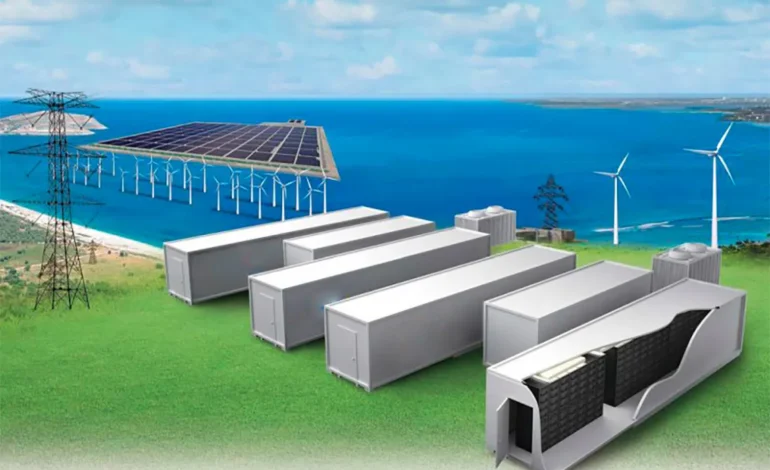
By 2025, China’s Li-ion manufacturing and export capacity is set to expand further, supporting next-generation EVs, industrial energy storage, and renewable energy integration. Investments in solid-state batteries, high-energy-density Li-ion cells, and fast-charging compatible packs are expected to increase. Expansion of export markets, technological collaboration, and sustainable production practices will solidify China’s global leadership. Continued scaling, innovation, and policy support will ensure that China remains the dominant force in Li-ion battery manufacturing and global energy storage supply chains.
Conclusion
China’s Li-ion manufacturing capacity and exports are central to the global transition toward electric mobility and renewable energy. With advanced production facilities, integrated supply chains, technological innovation, and supportive government policies, China leads both domestic and international markets. Environmental sustainability, industrial clustering, and quality control ensure that Li-ion production aligns with global standards. By 2025, China’s leadership in Li-ion manufacturing enables reliable EV adoption, expands energy storage solutions, and strengthens its position as a strategic supplier in the global battery ecosystem.