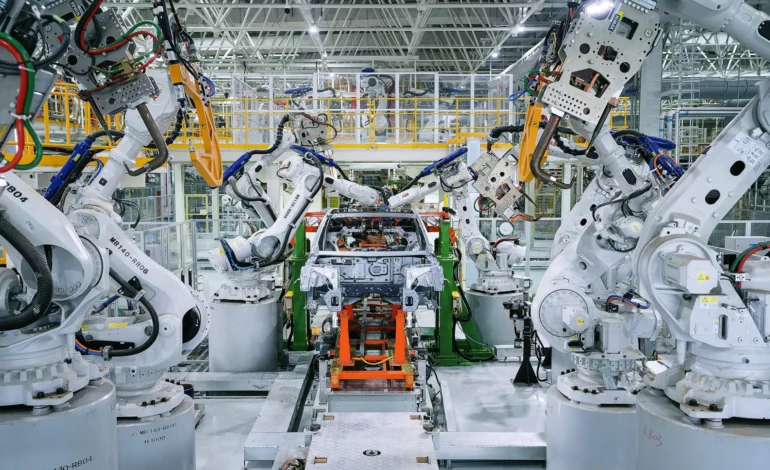
Smart Mobility and AI-Driven City Logistics
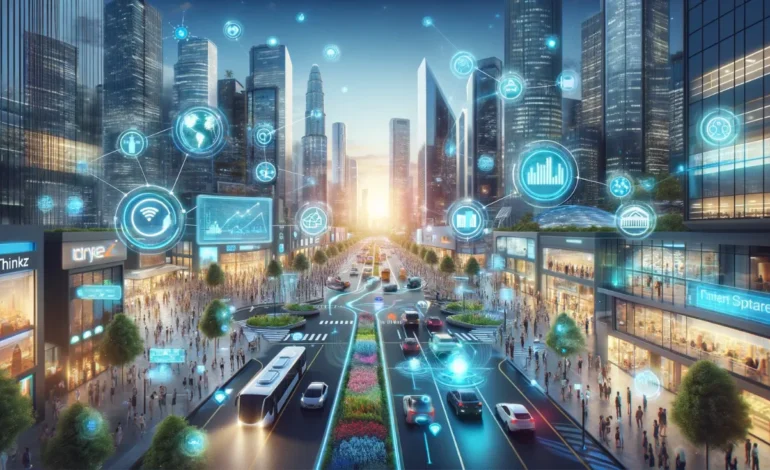
China is rapidly transforming its urban mobility systems through artificial intelligence and smart logistics integration. Across major cities like Shenzhen, Hangzhou, and Chongqing, AI-powered transport grids are streamlining everything from freight management to autonomous delivery. According to Bloomberg and SCMP, the combined output of China’s smart mobility industry exceeded 1.3 trillion yuan in 2025, driven by real-time data analytics, intelligent infrastructure, and growing public–private collaboration.
Urban Mobility as a Data Ecosystem
Smart mobility is no longer limited to electric vehicles or connected cars. Chinese cities are developing complete ecosystems that merge AI algorithms with traffic data, logistics networks, and energy management. In Hangzhou, Alibaba’s City Brain platform manages over 1,000 intersections using adaptive algorithms that reduce congestion by up to 15 percent. In Shenzhen, autonomous buses and delivery robots operate under unified cloud control systems supported by Huawei’s urban AI architecture.
This convergence of transport, telecommunications, and urban planning has made China a global model for large-scale digital infrastructure management. Nikkei Asia notes that more than 60 cities have launched “AI Logistics Parks,” combining automated warehousing with smart road sensors and 5G monitoring to ensure safe and efficient delivery operations.
Industrial and Policy Momentum
China’s Ministry of Transport has released guidelines encouraging data interoperability between public and private logistics providers. These policies allow seamless coordination among cargo fleets, warehouse operators, and municipal authorities. Tencent’s cloud platform is being used to synchronize vehicle data with urban energy systems, ensuring optimized fuel consumption and reduced emissions.
At the same time, national programs like “New Smart City 2025” promote AI-based freight scheduling, vehicle sharing, and low-carbon logistics. This policy synergy between local governments and technology firms reflects China’s ability to translate digital innovation into scalable real-world impact.
Finance and Technology Integration
Behind this urban transformation lies a growing use of digital transaction systems that enhance transparency across mobility networks. Automated payment layers and blockchain-linked auditing systems now record logistics expenses, toll charges, and fleet financing in real time. These systems not only prevent accounting errors but also provide traceable financial trails that improve city-level governance and investor confidence.
Such digitized finance models quietly power the logistics revolution, ensuring that every smart delivery and mobility project operates within a verifiable and accountable framework.
Conclusion
AI-driven mobility is redefining China’s approach to logistics, sustainability, and digital governance. Through intelligent transport networks and transparent financing systems, cities are becoming adaptive, efficient, and environmentally conscious. As global demand for smart infrastructure grows, China’s experience in linking AI, automation, and financial accountability could become a benchmark for future urban transformation worldwide.