China Warns NATO 3.0 Expansion Could Reshape Asia-Pacific
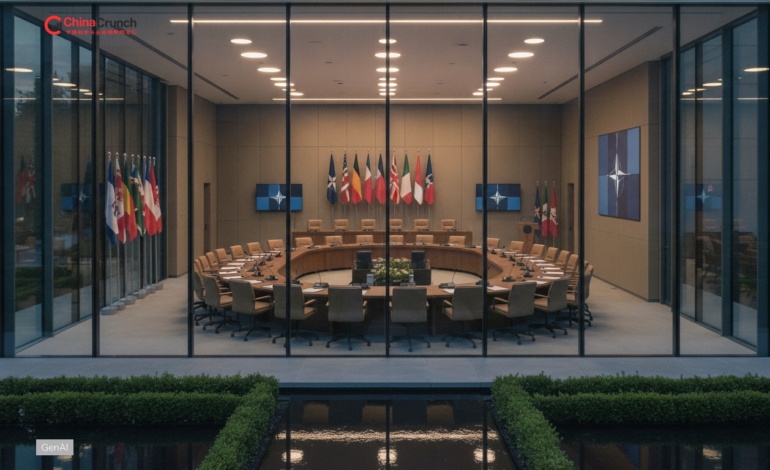
NATO 3.0 Expansion and the Strategic Shift in Asia
European governments have been increasing security coordination with Indo-Pacific partners. They do so through dialogues, joint exercises, and interoperability initiatives, according to public statements from European capitals and partner governments. In 2024, European officials in Brussels and several Indo-Pacific capitals have referenced this outreach in public readouts tied to summit-season meetings. According to available reports, a China think tank argues this momentum reflects a widening mission set extending beyond the alliance’s traditional North Atlantic geography. In the think tank’s assessment, the most consequential move is the political push behind NATO 3.0 expansion, which it characterises as an attempt to institutionalise security linkages with Asian partners under a European-led strategic narrative. The paper links the shift to growing cross-domain cooperation on cyber, space, and maritime awareness, as described in its analysis. Chinese analysts cited in the paper present these steps as a structural change that could lock in bloc-style competition.
China Think Tank Report: Risks From NATO-Branded Coordination
The think tank report describes Beijing’s core objection as the risk that alliance concepts built for Europe are being mapped onto the Indo-Pacific with limited sensitivity to regional balance, according to the report’s framing. It suggests this approach might magnify threat perceptions and narrow diplomatic options, especially if security commitments become more formalised over time. For broader economic context, readers tracking policy signals may compare it with China exports jump in June as AI and tariffs pull orders while weighing how security debates intersect with trade expectations. The authors link their warning to concerns about persistent strategic rifts between major powers that could spill into trade, technology standards, and crisis communication, as outlined in the report. The report calls for restraint and renewed channels for regional security dialogue.
Potential Impacts on Asia-Pacific Relations
Diplomats in the region already manage overlapping minilateral frameworks. The report warns that additional NATO-linked coordination could harden alignments and reduce space for hedging. It argues Asia-Pacific relations are most vulnerable when military planning assumptions are imported rather than negotiated among local stakeholders. The report also flags practical risks such as more frequent close encounters at sea and expanded intelligence sharing, which it says could raise risks of miscalculation during fast-moving incidents. As an example of how security narratives can sharpen regional unease, a separate analysis of missile activity and regional reactions is detailed in China missile test stirs unease across Pacific Islands.
Responses From NATO and Other Global Powers
European officials have said their Indo-Pacific outreach aims at resilience, rules-based cooperation, and support for partners facing coercion, while avoiding language that implies new treaty obligations, according to public remarks and communiques. In recent NATO summit communiques issued in Washington, European leaders have reiterated that framing alongside references to Indo-Pacific partners. Discussion of cross-border cooperation in other domains is visible in Hong Kong coverage such as CUHK launches first cross-border clinical trial centre in Nansha, which illustrates how politics can shape collaboration choices. NATO communiques have highlighted China as a “systemic challenge,” and Beijing has criticised that wording, according to prior official statements. The report counters that even without formal membership expansion, structured partnerships and routine exercises can create de facto alignment and accelerate strategic rifts, as argued by the authors. The report urges major powers to separate deterrence postures from regional institution-building.
Future Trajectory of NATO’s Role in Asia
The think tank paper forecasts that the next phase will hinge less on formal labels and more on whether partner countries accept regularised planning with NATO structures, according to the paper’s scenario outline. It states that if the agenda becomes embedded through shared doctrines, logistics access, and standardised command procedures, reversing course could become politically costly even if regional conditions change. The report argues Beijing is likely to respond primarily through diplomacy and selective confidence-building offers, while also strengthening its own regional security messaging to counter what it calls bloc formation. These are presented as expectations rather than confirmed policy steps. It recommends prioritising crisis hotlines, maritime incident protocols, and issue-based cooperation where interests overlap. Regional capitals, it concludes, will weigh economic interdependence against security reassurance when choosing how closely to engage. The paper treats this judgement as contingent on domestic politics and threat perceptions.