Green Tech and AI Driven Industrial Innovation
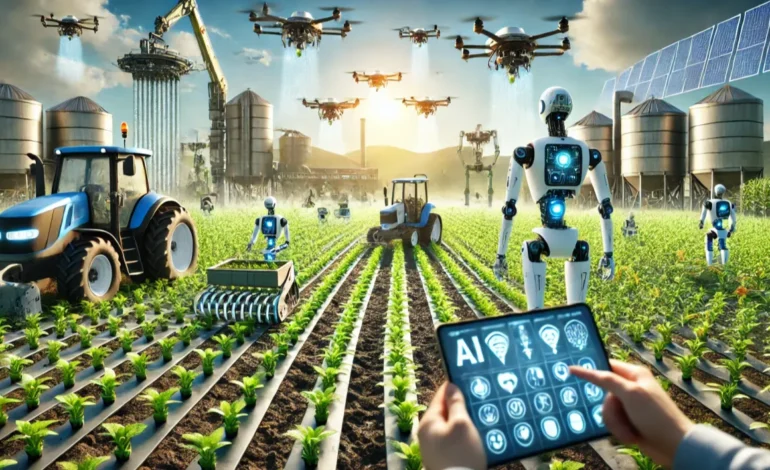
China is accelerating a broad industrial transformation powered by green technologies and advanced artificial intelligence tools. The government has positioned clean energy development as a national priority, linking economic modernization with environmental responsibility. Factories, logistics hubs, energy grids, and transport systems are being upgraded through smart systems that reduce waste, improve efficiency, and increase sustainability.
Green development is not viewed as a separate sector but as an essential part of the entire industrial chain. This approach allows China to integrate AI tools into renewable energy planning, carbon tracking, automated resource allocation, and environmentally friendly manufacturing processes. These efforts strengthen China’s competitiveness in global green supply chains while reducing long term environmental risks.
Renewable Energy Systems Become AI Enhanced Networks
China leads the world in renewable energy capacity, and AI plays a central role in managing these resources. Solar and wind installations produce variable output, and AI systems help balance generation with demand by predicting weather patterns, analyzing grid behavior, and optimizing storage. Smart grid platforms use AI to coordinate renewable inputs, stabilize the power system, and reduce reliance on coal based backup plants.
These AI enabled networks increase the reliability of green energy and create a foundation for low emission industries. As more provinces adopt renewable dominated grids, industrial parks can operate with cleaner power sources, helping China meet its climate targets while expanding energy intensive manufacturing sectors.
Smart Manufacturing Upgrades Mean Cleaner and Faster Production
Chinese manufacturing is shifting from labor intensive methods to digitally enhanced systems that reduce emissions and resource consumption. AI algorithms guide machinery settings, identify defects, and maintain equipment without unnecessary downtime. By monitoring real time data, factories can lower their energy usage while improving output quality.
Green industrial upgrades are especially visible in steel, automotive, electronics, and chemical manufacturing. Plants adopt smart sensors, robotics, automated supply lines, and AI controlled heating or cooling systems. This integration creates a more sustainable production cycle and strengthens China’s position in global technology and manufacturing markets.
Electric Mobility and Smart Transport Reduce Urban Emissions
China is the world leader in electric vehicles, and this expansion supports the broader green technology strategy. AI based navigation and traffic management systems help reduce congestion and improve the efficiency of public transport. Charging networks now include smart systems that analyze usage patterns, solve peak load issues, and guide drivers to available stations.
These technologies reduce emissions in major cities and create industrial demand for batteries, semiconductors, and lightweight materials. Electric mobility also enables new sectors such as autonomous delivery robots, AI supported shipping, and green logistics centers, reinforcing China’s leadership in next generation transport innovation.
AI Driven Carbon Accounting Improves Transparency
Accurate and transparent carbon accounting is essential for verifying green commitments. China has introduced digital tools that monitor emissions across industries using AI for data collection, analysis, and compliance reporting. These tools help companies track their environmental performance, identify areas for improvement, and reduce potential penalties.
Carbon trading markets benefit from this transparency. By using AI based verification systems, regulators and companies can trust that emission data reflects actual performance. This improves the integrity of national climate programs and supports China’s expansion of its carbon trading scheme across power, steel, and cement industries.
Green Financing and Digital Tools Accelerate Innovation
Green innovation requires large scale financial support. China has developed green bonds, sustainability linked loans, and digital financing platforms that use AI to assess climate related risks. Fintech tools identify which projects deliver the highest environmental impact and help channel funds to renewable energy, waste management, ecological restoration, and green industrial development.
AI also assists banks in analyzing project feasibility, predicting long term benefits, and reducing lending risks. This integration of technology and finance strengthens China’s investment environment and supports thousands of green industrial projects nationwide.
Robotics and Automation Support Low Carbon Industries
Industrial robotics play a major role in China’s transition to cleaner production lines. Robots help reduce waste, manage hazardous materials, and optimize repetitive tasks with fewer errors. Combined with AI based planning systems, robotics technology allows factories to maintain high output with reduced energy consumption.
Sectors such as pharmaceuticals, consumer electronics, automotive production, and renewable energy equipment manufacturing rely heavily on automated systems. As robotics become more advanced and affordable, factories across different provinces adopt intelligent machines to advance low carbon production.
China’s Green Technology Leadership
China’s strategy is to build an industrial ecosystem that combines AI, green technology, and smart infrastructure to deliver long term sustainable development. The next stage of growth includes AI optimized hydrogen production, zero carbon industrial parks, carbon negative technologies, and next generation battery materials.
International cooperation will also shape the future of green innovation. Many countries rely on Chinese renewable equipment, electric vehicles, and digital energy tools. By combining industrial capacity with AI excellence China is positioned to lead global markets seeking cleaner and more efficient technology solutions.
China’s commitment to linking green technology with AI driven innovation signals a major shift in global industry. These upgrades support economic resilience, environmental stability, and technological leadership. The long term outcome is a more competitive and sustainable industrial model that sets new standards for future development.