Hong Kong exports surge on AI-related electronics demand
AI-related electronics power Hong Kong export surge
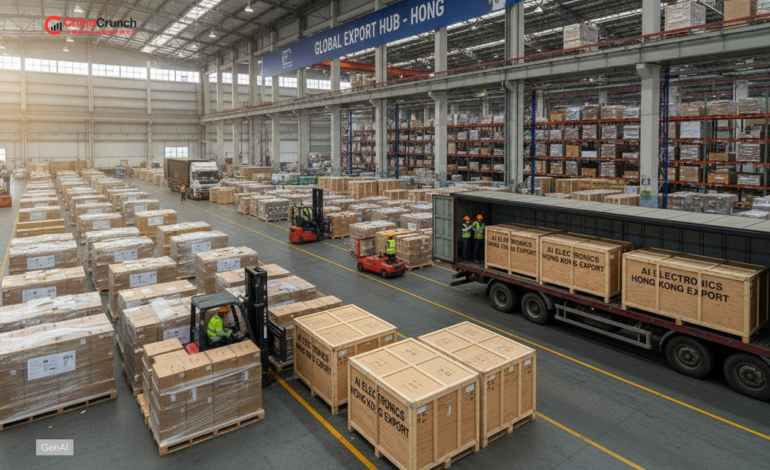
AI-related electronics significantly impacted Hong Kong’s trade picture in July, with outbound shipments accelerating across major tech corridors. According to reports from [SOURCE PUB], exports rose 50.7% year on year, a jump that dealers linked to strong flows of high-value components. Orders clustered around server-grade memory, high-bandwidth interconnects, and compute modules used in data centres. Imports rose 38.3% in the same release, highlighting how re-export activity and inbound parts procurement moved together. As a key transhipment node for electronics, Hong Kong’s July performance signals renewed traction in regional manufacturing and logistics cycles.
July trade figures: exports HK$475.5bn, deficit HK$14.5bn
This substantial outturn was sufficient to reshape near-term expectations for traders and logistics providers handling premium cargo. Official figures placed total exports at HK$475.5 billion and imports at HK$490.0 billion, resulting in a HK$14.5 billion deficit for the month. For perspective on export control pressure around leading chips, see Nvidia case tests technology transfer export controls. Supplier results and memory pricing can also shift shipment values, as discussed in Apple suppliers and the memory price squeeze. Market participants also point to tighter rules around sensitive chips, complicating documentation and routing for AI-related electronics.
What products drove the shift in the export mix
The trade mix indicates changes primarily in the type of goods moving, not just the volume. High throughput computing has increased demand for boards, connectors, advanced packaging inputs, and specialised storage that route through Hong Kong before final assembly or onward export. For a related view on how model ecosystems are expanding, see Chinese open-weight AI models surge on US platforms. Monthly data can be volatile as firms building for cloud and model training cycles often purchase in batches, but the direction still reflects capacity investment in data centre buildouts. Higher-value tech cargo can also drive demand for compliance, financing, and critical freight services.
Constraints that could slow export momentum
Despite July’s increase, several constraints could limit momentum if conditions tighten. Exporters and freight forwarders must navigate licensing risk, end-use checks, and shifting screening standards, potentially delaying high-value consignments and increasing paperwork costs in Hong Kong. Demand concentration is another vulnerability because a small set of hyperscale and enterprise buyers might pause purchasing if inventories rise. Component inflation is also critical, as sharp moves in memory or advanced substrates can inflate headline export values without a corresponding increase in unit volumes. These challenges affect routing decisions and can divert shipments to alternative hubs when compliance or cost advantages change.
Outlook: can growth broaden beyond AI supply chains
The upcoming challenge is whether the surge can extend beyond premium computing cargo into a more varied export base. Analysts tracking electronics cycles look for confirmation in forward indicators such as new export orders, air freight pricing, and lead times for advanced components post-July jump. Long-term capacity additions in upstream chipmaking could also influence regional flows, explored in Advanced chip production in China set to surge by 2035. If AI data centre buildouts remain robust, Hong Kong could capture more handling and re-export activity by specialising in time-sensitive, high-value consignments requiring secure storage and fast customs processing. Sustaining growth will depend on maintaining trade finance, compliance services, and logistics throughput aligned with shifting tech supply chains.