Beijing Seeks Smoother Trade Talks With Washington
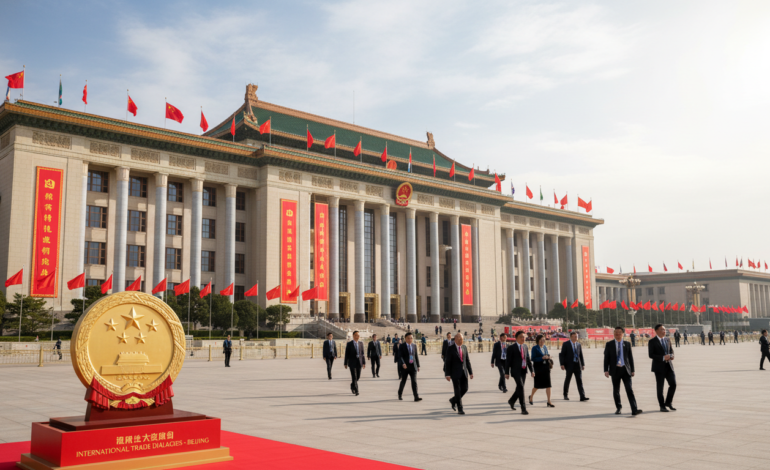
US Senator Visits Beijing for Trade Talks
A senior US senator arrived in Beijing for talks framed as a working channel ahead of the next round of leader level engagement. Officials on both sides treated the visit as a chance to set priorities and reduce misunderstandings that have complicated commerce. In remarks carried by Reuters, Chinese interlocutors laid out practical items they want addressed, including tariff stability and predictable export controls. Today the atmosphere was described as businesslike by Reuters, even as both governments keep sensitive technology and security issues on separate tracks. Live readouts from the meetings were limited, but the delegation signaled it would carry back specific proposals to Washington. Update briefings to journalists focused on process rather than any immediate concession.
Premier Li Qiang Emphasizes Stable Economic Ties
Premier Li Qiang used the meetings to underline the value of steady expectations for companies making cross border plans. The message, as summarized by Reuters, emphasized that policy shocks can ripple into investment, supply chains, and consumer prices. Midway through the discussions, China US trade relations were raised as a core test of whether both sides can keep competition from spilling into commercial disruption. Today Li also argued that predictable rules matter as much as headline deals for boardrooms planning the next quarter, as regional financial coverage including the South China Morning Post noted in its piece on gold futures returning to Hong Kong. Live context for markets also came from Hong Kong products tied to mainland demand. Update language from Beijing centered on stability, not symbolism.
Importance of Dialogue Over Confrontation
Diplomats involved in the exchanges described the channel as a way to keep disputes from escalating into tit for tat actions that are costly to unwind. Reuters noted that Beijing urged more frequent contact and clearer guardrails, especially when either side plans new restrictions. The same framing appeared in recent US-China diplomacy messaging, where officials emphasize crisis management while still contesting strategic issues. Today the senator’s meetings were positioned as a relay to higher level talks, rather than a standalone negotiation, and the delegation also drew parallels to how trade shocks can affect third countries, citing regional logistics strains covered in Pakistan-China trade picks up pace at Khunjerab. In the middle of the day, Live scheduling details were sparse, but Update notes stressed maintaining lines of communication.
Economic Cooperation Benefits Both Nations
Business groups watching the talks focused on areas where cooperation can proceed even when strategic rivalry persists, such as standards, customs facilitation, and dispute resolution routines. Reuters reported that Chinese officials pressed for fewer abrupt measures that disrupt orders and supplier relationships, while acknowledging that Washington will still protect national security. The us and china trade relations agenda also includes how both sides communicate about sector specific actions so firms can adjust, as related tech frictions were highlighted in MiroMind Halts China Services Amid AI Tensions illustrating how policy signals can quickly affect operations. Today analysts described the immediate goal as lowering uncertainty, not producing a sweeping pact. Live business reaction remained cautious, and Update comments centered on incremental steps.
Future Prospects for US-China Relations
The near term outlook hinges on whether the two governments can translate talking points into sequencing that avoids surprise actions before planned leader engagement. Reuters said Beijing’s wish list is aimed at shaping the agenda early, with emphasis on clearer expectations for tariffs and export control decisions. Any us china trade deal discussion, officials indicated through Reuters summaries, is likely to be framed as practical deliverables rather than a grand bargain. Today both sides face domestic pressures that make compromise harder, so follow through will be judged by routine working level outcomes. Live monitoring by companies will focus on licensing timelines, customs execution, and public guidance that reduces rumor driven volatility. Update messages from both capitals are likely to prioritize stability, even as strategic competition continues.