






30 Under 30 Shines a Spotlight on the Next Wave of Deep Tech Disruptors

Every year, the 30 Under 30 list celebrates young innovators who are pushing boundaries in science and technology. This year’s deep tech category reveals a remarkably diverse group of thinkers whose work spans artificial intelligence, quantum computing, biotechnology, advanced materials, and frontier engineering.

China’s 30 Under 30 List Highlights a New Generation of AI Innovators

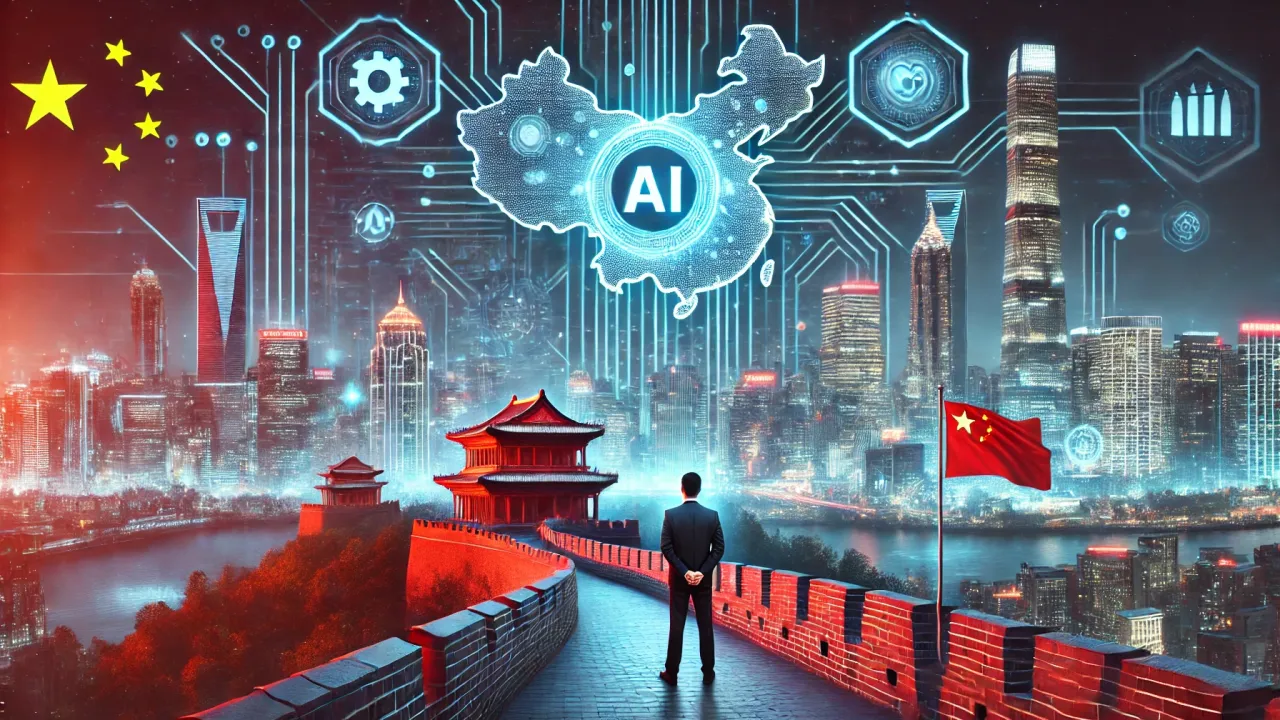
China’s latest 30 Under 30 list is drawing national attention as it showcases a new generation of young innovators who are shaping the future of artificial intelligence. The list includes researchers, founders, engineers, and product architects whose work reflects both scientific depth and

The Future of Smart Cities in China and AI Public Service Models

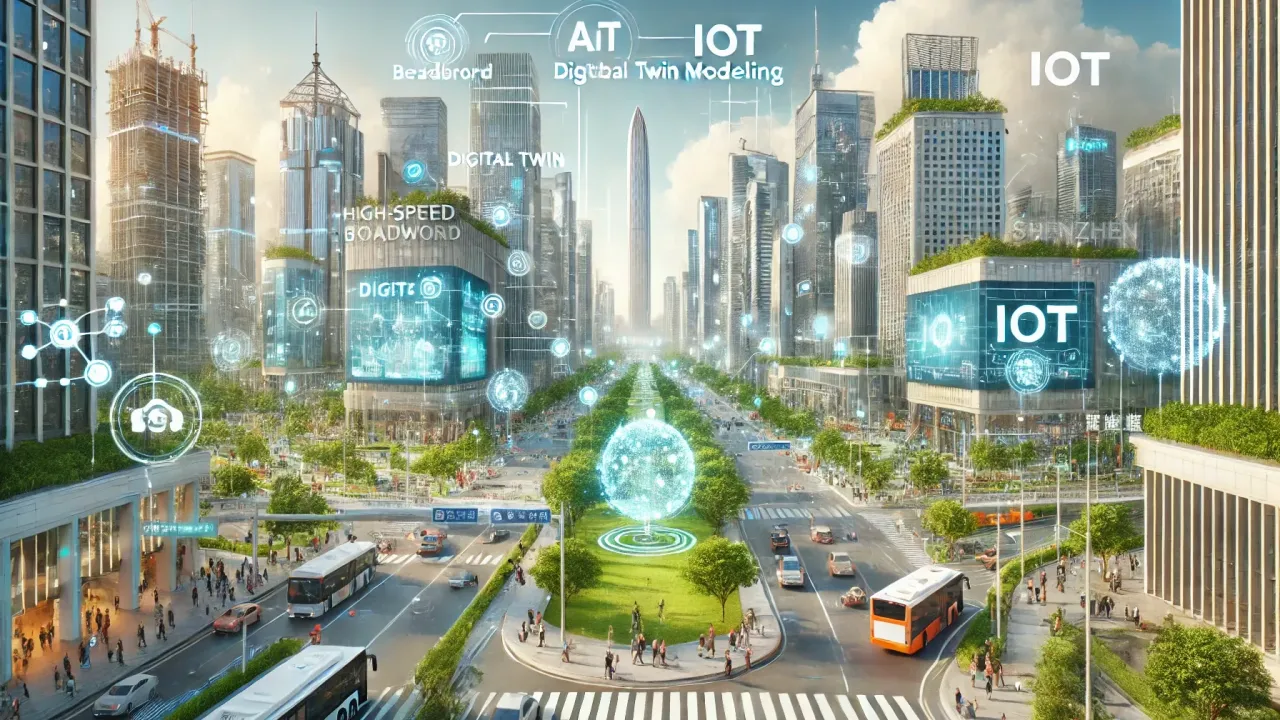
China is building a new generation of smart cities that integrate artificial intelligence, digital infrastructure and data driven governance. These cities are designed to improve public services, strengthen urban resilience and create more efficient living environments. As China accelerates digital transformation, smart city

AI-Powered Productivity and the New Industrial Upgrade Wave

China is entering a new phase of industrial advancement powered by artificial intelligence as factories, logistics networks and service industries adopt intelligent systems to increase productivity. AI powered productivity is not only a technological upgrade but a structural shift that changes how companies

AI Safety Frameworks in China and Their Global Influence

China’s AI sector continues to expand rapidly, and with this growth comes the need for structured safety frameworks that guide development, deployment and long term governance. Policymakers recognize that artificial intelligence influences public services, industrial upgrades, national security and global competitiveness. China’s AI

AI Governance and Ethical Standards in China

China has developed one of the most comprehensive governance frameworks for artificial intelligence as the technology becomes central to national development. The government’s approach combines ethical principles regulatory coordination and industry guidelines to ensure that AI growth aligns with societal values and security

Balancing Innovation and Safety in AI Research Labs

China’s AI research labs are at the forefront of developing next-generation artificial intelligence technologies, spanning industrial automation, healthcare, fintech, and robotics. While innovation is essential to maintain global competitiveness, it must be balanced with safety to prevent unintended consequences, system failures, or ethical

AI Safety Protocols in Healthcare Applications

The adoption of artificial intelligence (AI) in healthcare is transforming diagnosis, treatment, and patient management across China. AI systems assist in medical imaging, predictive analytics, robotic surgery, and telemedicine, offering higher efficiency, accuracy, and scalability. However, integrating AI in healthcare introduces unique safety

The Risks of Autonomous Decision-Making in Industrial AI Systems

Industrial sectors in China are increasingly deploying artificial intelligence (AI) systems capable of autonomous decision-making, optimizing manufacturing processes, logistics, and energy management. While these AI systems enhance efficiency, productivity, and predictive capabilities, they also introduce risks if not properly designed, monitored, and regulated.

Ensuring Responsible AI in China: Guidelines and Best Practices

Ensuring Responsible AI in China IntroductionChina has rapidly emerged as a global leader in artificial intelligence (AI) development, spanning industrial, healthcare, financial, and governmental applications. With this rapid growth comes the imperative to ensure responsible AI deployment. Responsible AI encompasses safety, fairness, transparency,