




Shenzhen vs Beijing: Tech Hubs Driving China’s Innovation

China’s technological landscape is shaped by dynamic urban innovation hubs, with Shenzhen and Beijing standing out as primary centers of industry advancement. While both cities contribute significantly to the country’s tech ecosystem, they exhibit distinct strengths, focus areas, and operational dynamics. Comparing these

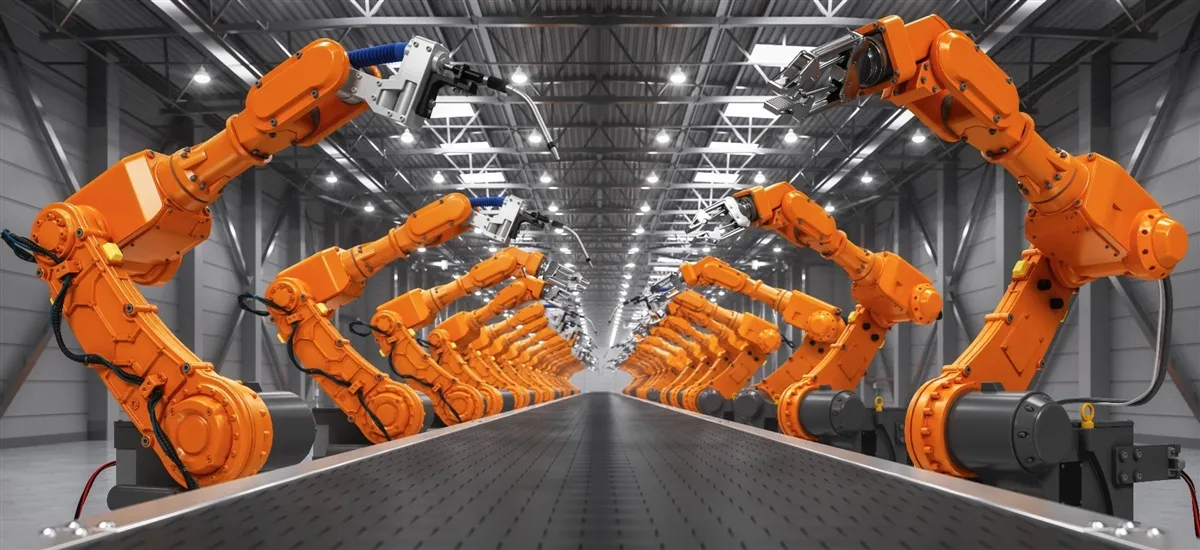
China’s Robotics & Automation In Factories

China is rapidly advancing its industrial capabilities through robotics and automation, transforming manufacturing processes across multiple sectors. The integration of intelligent machinery, AI-driven systems, and digital monitoring has enhanced productivity, quality control, and operational efficiency in factories nationwide. These developments align with China’s

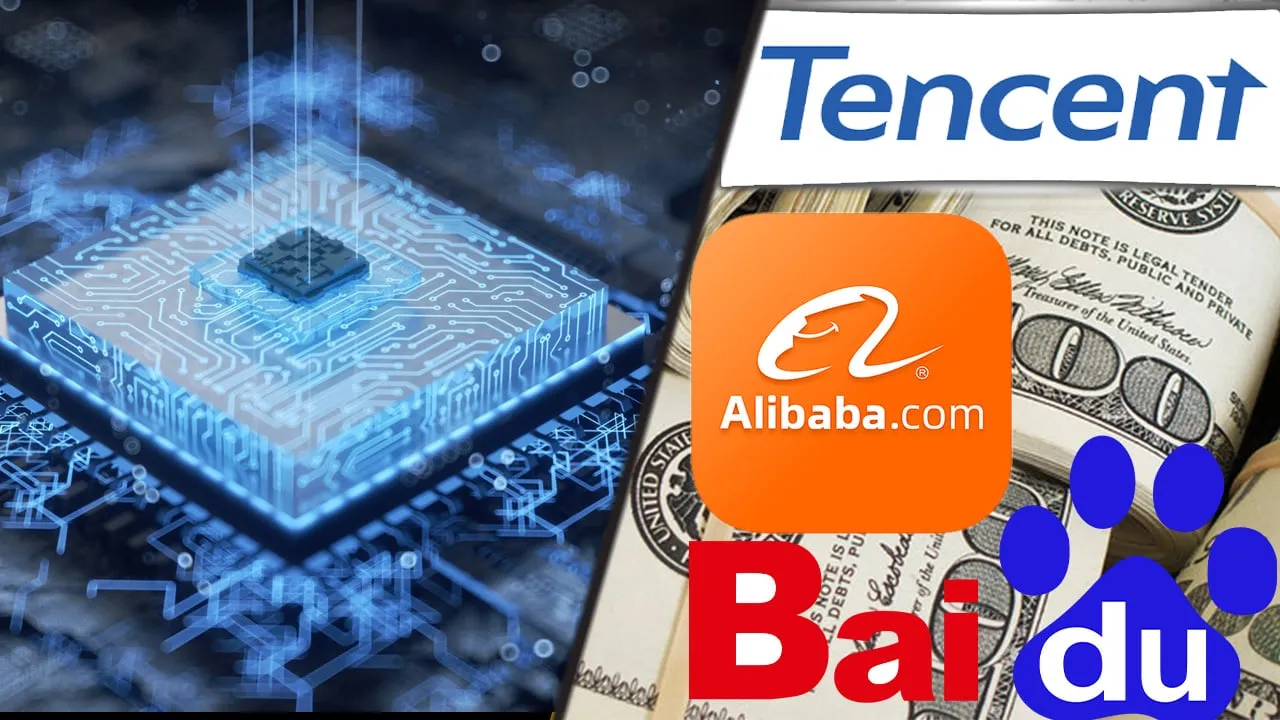
China’s AI Race: Baidu, Tencent, And Alibaba Global Push

China has emerged as a global contender in artificial intelligence (AI), with major tech firms Baidu, Tencent, and Alibaba spearheading the race. These companies are investing heavily in AI research, autonomous systems, cloud computing, and natural language processing to establish global leadership. Their

EV Titans BYD, NIO, and Xiaomi’s Challenge to Tesla

China has emerged as the largest electric vehicle market in the world, accounting for more than half of global EV sales in 2024. Government subsidies, a vast consumer base, and aggressive manufacturing capacity have made the country the center of the global EV

Hangzhou’s “Six Little Dragons” Gain Spotlight in AI Startups

Hangzhou, already home to Alibaba and Ant Group, is now being recognized for a new wave of innovation known as the “Six Little Dragons.” These are six emerging AI startups that have quickly gained traction in China’s competitive technology ecosystem. Their rise illustrates

Smart Cities in China: Data, Sensors, and Urban Control

The economic promise and privacy dilemmas of hyper-connected urban zones. China has positioned itself at the forefront of smart city development, turning urban areas into testbeds for data-driven governance and digital infrastructure. By 2025, hundreds of pilot projects across the country, from Shenzhen

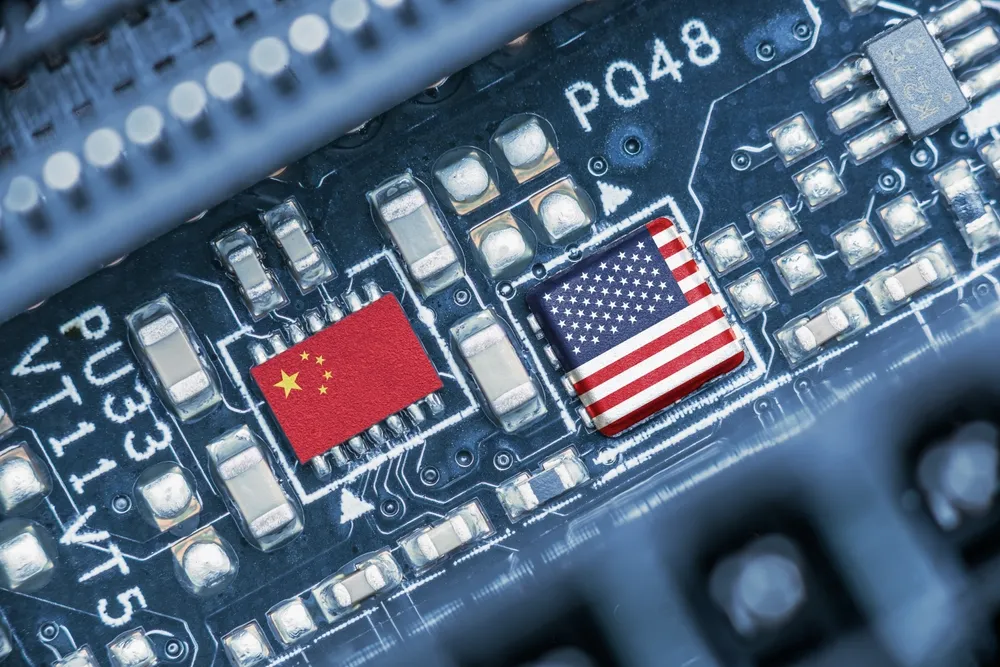
Semiconductor Squeeze: How Chinese Startups Navigate Sanctions and Shortages

The struggle to innovate amid global supply chain restrictions. Introduction China’s semiconductor sector has long been dominated by state-backed giants like SMIC and Huawei, but an often-overlooked piece of the puzzle lies with startups. In 2025, smaller firms are at the frontlines of

Venture Capital in China’s Tech Sector: Where the Money Flows in 2025

Investment trends in AI, clean tech, and biotech despite global headwinds. China’s venture capital (VC) landscape has undergone dramatic shifts in recent years. Once dominated by consumer internet investments, the focus in 2025 has turned toward sectors aligned with state priorities artificial intelligence,

The Next Unicorns: China’s Rising Tech Sectors in 2025

Biotech, aerospace, and quantum computing emerge as new frontiers. China’s tech landscape in 2025 is no longer defined solely by consumer internet platforms or e-commerce giants. A new wave of startups focused on biotechnology, aerospace, and quantum computing is emerging as the next

Aerospace Tech Startups: Commercializing Space in China’s Private Sector

From satellites to launch services, private firms compete with state giants. China’s space ambitions are often associated with state-led programs, but by 2025, private aerospace startups are carving out their own role. Companies like iSpace, Galactic Energy, and Deep Blue Aerospace are developing