Green Tech Startups Driving Sustainability
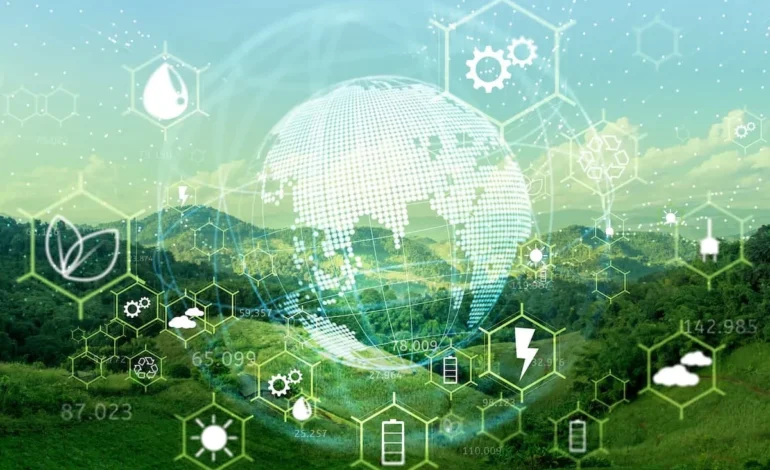
Green technology startups in China are at the forefront of promoting sustainability and environmental responsibility. These companies develop innovative solutions in renewable energy, energy efficiency, carbon reduction, waste management, and sustainable agriculture. By leveraging technology and entrepreneurship, green tech startups address environmental challenges while creating economic opportunities. This blog explores the trends, innovations, sector-specific applications, funding dynamics, and impact of green tech startups on sustainability.
Emergence of Green Tech Startups
The rise of green tech startups is fueled by government policies, growing environmental awareness, and the global push for sustainability. China’s renewable energy targets, carbon neutrality initiatives, and industrial decarbonization goals have created a supportive ecosystem for entrepreneurs. Startups are innovating across solar and wind energy, energy storage, smart grids, electric mobility, and clean manufacturing, contributing to a greener economy.
Renewable Energy Innovation
Startups are developing solar, wind, and hydro energy solutions with higher efficiency and reduced costs. Innovations include advanced photovoltaic materials, wind turbine optimization, and energy management systems. AI and IoT integration enable predictive maintenance, energy demand forecasting, and grid balancing. Renewable energy startups support clean energy adoption, reduce dependence on fossil fuels, and contribute to national and global sustainability goals.
Energy Efficiency and Smart Infrastructure
Energy efficiency startups provide solutions for buildings, factories, and transportation systems. Smart meters, AI-driven energy management platforms, and automated control systems optimize consumption. Startups also focus on retrofitting infrastructure with energy-efficient lighting, HVAC systems, and industrial equipment. These innovations lower energy usage, reduce carbon emissions, and enhance operational efficiency for enterprises and municipalities.
Electric Mobility and Sustainable Transportation
Green tech startups in electric vehicles (EVs), battery swapping, and charging infrastructure promote sustainable mobility. Startups develop EV platforms, fleet management solutions, and intelligent charging systems. Battery technology innovations, including energy density improvements and recycling processes, enhance EV viability. Sustainable transportation startups reduce greenhouse gas emissions, improve air quality, and support urban environmental objectives.
Waste Management and Circular Economy
Startups are designing technologies for waste reduction, recycling, and resource recovery. AI-powered sorting systems, biodegradable materials, and industrial symbiosis solutions enable circular economy models. Startups optimize collection, processing, and reuse of materials, minimizing environmental impact. Circular economy initiatives create economic value while promoting responsible resource management.
Sustainable Agriculture Technologies
Agritech startups address environmental and food security challenges. Innovations include precision farming, smart irrigation, automated monitoring systems, and biofertilizers. AI and IoT technologies optimize water usage, reduce pesticide application, and increase crop yield. Sustainable agriculture startups support environmentally friendly practices while improving profitability for farmers and agribusinesses.
Investment and Funding Trends
Green tech startups attract investment from venture capital, corporate investors, and government-backed programs. Funding supports research, product development, pilot projects, and market expansion. Government incentives, including subsidies, tax benefits, and innovation grants, reduce barriers to entry and encourage experimentation. Investment growth reflects increasing confidence in the profitability and societal impact of sustainable technologies.
Collaboration and Industry Partnerships
Startups collaborate with universities, research institutions, industry players, and local governments to accelerate innovation and deployment. Partnerships provide access to testing facilities, technical expertise, and market channels. Collaboration fosters knowledge sharing, reduces costs, and improves scalability. Industry networks and incubators enhance startup visibility, mentorship, and resource access.
Regulatory Compliance and Standards
Green tech startups operate within frameworks that regulate emissions, energy efficiency, waste management, and product safety. Compliance with national and regional standards ensures environmental performance, market credibility, and legal adherence. Startups develop monitoring and reporting systems to meet regulatory requirements, track environmental impact, and demonstrate sustainable practices.
Challenges and Opportunities
Challenges include high technology development costs, market adoption barriers, and evolving regulatory requirements. Startups must demonstrate economic viability while maintaining environmental integrity. Opportunities lie in scaling renewable energy solutions, addressing industrial decarbonization, and integrating AI and digital platforms for efficiency. Startups that innovate and align with policy goals can capture significant market share and create long-term impact.
Impact on Sustainability and Society
Green tech startups reduce carbon emissions, improve energy efficiency, and promote cleaner industrial and urban environments. Their innovations support national climate goals, enhance corporate ESG performance, and improve public health. Startups also create employment, foster technical expertise, and contribute to economic growth while advancing environmental sustainability.
Future Prospects
Green tech startups are expected to expand adoption of AI, IoT, and energy storage technologies to optimize sustainability solutions. Integration with smart cities, industrial automation, and electric mobility will enhance efficiency and reduce environmental footprint. Continued policy support, investment, and technological innovation will accelerate green technology adoption, ensuring that startups remain key drivers of sustainable development.
Conclusion
China’s green tech startups are leading innovation in renewable energy, energy efficiency, sustainable transportation, waste management, and agriculture. Supported by government policies, investment, and collaborative networks, these startups address environmental challenges while creating economic opportunities. Their technologies improve efficiency, reduce emissions, and contribute to a circular economy. As green tech continues to evolve, startups will play a central role in driving sustainability, shaping the future of industries, and promoting a cleaner, more resilient economy.