Hua Hong Wuxi fab: US$2b investment to meet AI demand
Hua Hong Wuxi fab investment: what was announced
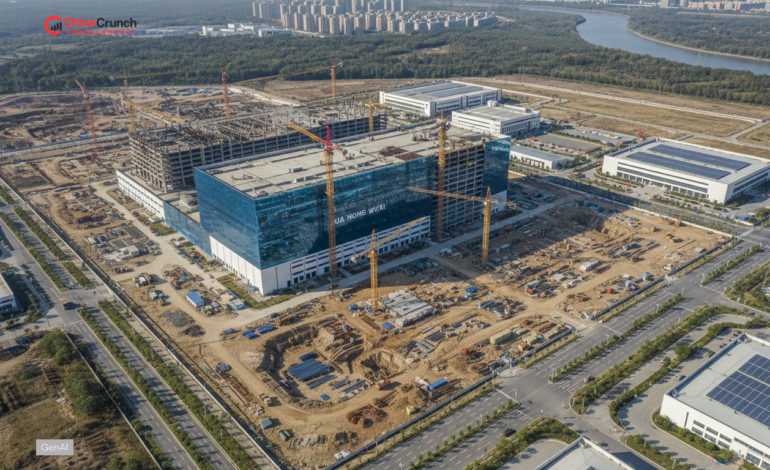
The Hua Hong Wuxi fab plan is being framed as a near-term capacity response as Chinese customers increase orders for mature and specialty nodes tied to AI infrastructure buildouts. Hua Hong is described as committing about US$2 billion to a new facility in Wuxi, Jiangsu, according to available reports from the South China Morning Post. The move emphasizes predictable output and faster qualification rather than a distant capacity bet. Customers pushing volumes are also scrutinizing yields, delivery schedules, and ramp timing, which puts execution discipline at the center. The project also increases expectations for domestic supply chains that support tools, materials, and testing services.
Why AI demand is boosting mature-node foundry capacity
AI demand is pulling more chips through the value chain, not only high-end accelerators but also power management, connectivity, sensors, and interface components that keep servers and edge devices operating. The SCMP report ties the new Wuxi capacity to AI-driven needs connected to data center buildouts and enterprise deployments. For context on how large infrastructure pushes can reshape component ordering across industries, Solar Power China Overtakes Coal in Capacity Surge highlights similar ordering pressure across supply chains. The Hua Hong Wuxi fab narrative reflects demand concentration effects that can tighten lead times and steer purchasing toward suppliers with stable output. That dynamic makes qualification and reliability metrics as important as wafer starts.
Impact on China’s Semiconductor Landscape
The expansion by Hua Hong, detailed in the SCMP report, underscores the strategic importance of mature-node capacity in China’s domestic semiconductor market. This move not only addresses immediate bottlenecks but also potentially shifts competitive dynamics. As markets evolve, companies meeting AI demand can leverage pricing power and influence customer allocation. Such developments can alter bargaining dynamics for packaging and testing partners while also impacting future planning and sourcing strategies.
Execution risks: ramp, yields, staffing, and tool delivery
Execution risk remains substantial because new fabs must ramp reliably, keep defect density under control, and align tool delivery with construction milestones. The Hua Hong Wuxi fab project is framed in the SCMP report as meeting surging AI-linked demand, but demand can shift faster than capacity can qualify, especially when customers require multi-quarter reliability data. Staffing is another pressure point: process integration, yield engineering, and equipment maintenance talent is scarce, and training cycles can be long. The build also underscores the need for resilient local sourcing of gases, wafers, and spare parts, where any mismatch can delay ramp and erode margins. Related national-level signals on AI direction and coordination are tracked in China AI cooperation push intensifies ahead of summit.
Outlook: how the Hua Hong Wuxi fab could shape 2025 demand
The immediate signal is that AI demand is translating into concrete capital allocation decisions across China’s chip sector, including mature-node capacity that supports data centers and edge rollouts. Rather than treating AI as only an accelerator story, the supply chain is responding to a broader component mix that includes power, analog, and connectivity devices made on established process technologies. That broad pull can support continued chip production expansion through 2025 even as access to leading-edge nodes remains constrained. The Hua Hong Wuxi fab decision fits that framing by linking spending to order visibility and supply assurance for domestic customers. What matters next is whether ramp timing and yields match the urgency implied by current demand conditions, and whether long-term supply agreements stabilize utilization through 2025.