China-Bound Supertankers Turn Back, Casting Doubt on Near-Term Venezuelan Oil Exports
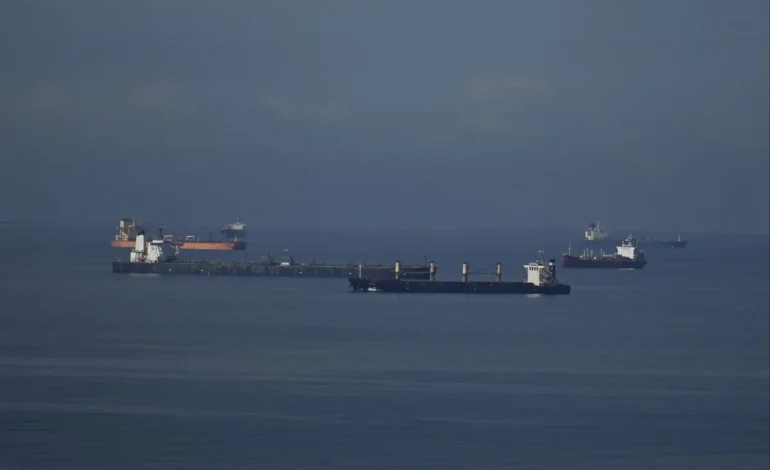
Two China-flagged supertankers sailing toward Venezuela to load crude oil have abruptly reversed course and headed back to Asia, raising fresh doubts over whether the South American producer will resume large-scale direct exports to its main buyer any time soon. The movements, revealed by shipping data on Monday, highlight the uncertainty surrounding Venezuela’s oil flows amid US sanctions and shifting geopolitical calculations.
The vessels had been en route to collect Venezuelan crude cargoes linked to debt repayment arrangements. Their sudden U-turn suggests that logistical or political obstacles remain unresolved, despite recent signals from Washington that appeared to ease pressure on Caracas. Analysts say the episode underlines how fragile and unpredictable Venezuelan oil exports remain, even as global energy markets watch closely for any increase in supply.
Venezuela, which holds some of the world’s largest proven oil reserves, has struggled for years to maintain exports due to sanctions, underinvestment, and operational problems. China has been its largest customer, often receiving crude as repayment for loans extended during earlier periods of closer economic cooperation. However, direct shipments have become more complicated as sanctions tightened and enforcement intensified.
The tanker reversals come shortly after the United States announced a deal allowing the export of up to 50 million barrels of Venezuelan oil currently stuck in storage. The move was widely interpreted as a limited opening aimed at stabilising energy markets rather than a full relaxation of sanctions. While the announcement raised expectations that Venezuelan crude might soon find its way back to global buyers, the tanker data suggests that reality on the water is more complex.
US President Donald Trump said following the announcement that China would not be deprived of Venezuelan oil, though he did not explain how such supplies would be delivered. That ambiguity has left traders and analysts speculating about alternative mechanisms, such as indirect shipments, swaps, or rerouting through intermediaries, rather than straightforward exports from Venezuelan ports to Chinese refineries.
For China, Venezuelan crude remains attractive due to its compatibility with certain refineries and its role in long-standing financial arrangements. However, Chinese buyers have also become more cautious, balancing the benefits of discounted oil against the risks of sanctions exposure and reputational damage. The decision by the supertankers to turn back may reflect a calculation that conditions are not yet clear enough to proceed.
Shipping experts note that supertankers often change course in response to last-minute contractual issues, regulatory concerns, or uncertainty over payment and insurance. In the case of Venezuela, all of these factors are magnified. Insurers, port operators, and shipowners remain wary of enforcement actions, while buyers seek clarity on what is permitted under evolving US policy.
The episode also highlights the broader challenge facing Venezuela as it tries to revive its oil sector. Even when policy signals appear to improve, years of isolation have eroded trust and operational capacity. Restarting regular export flows requires more than political statements; it depends on functioning infrastructure, reliable contracts, and confidence among international partners.
Energy analysts say the tanker U-turns are a reminder that any increase in Venezuelan supply is likely to be gradual and uneven. While some barrels may reach the market through creative arrangements, a rapid return to pre-sanctions export levels remains unlikely in the near term.
For global oil markets, the immediate impact is limited, but the symbolism is significant. Expectations that Venezuelan crude would quickly bolster supply are being tempered by on-the-ground realities. As long as uncertainty persists, traders say Venezuelan oil will remain a wildcard rather than a stabilising force.
The tanker movements suggest that despite diplomatic signals and public assurances, Venezuela’s path back to being a reliable exporter is far from straightforward. Until clearer mechanisms emerge, China-bound Venezuelan oil may continue to face detours, delays, and reversals before it reaches Asian shores.