China export grip tightens on rare earth magnets
China’s Export Figures and Market Impact
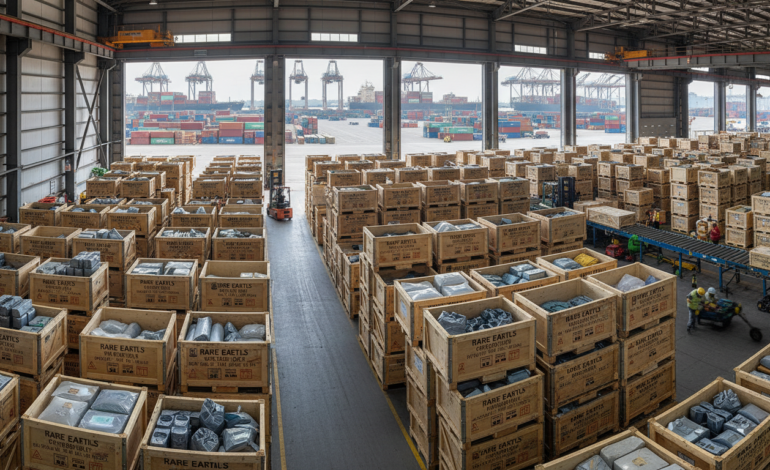
Export controls and licensing delays are reshaping magnet supply chains across Asia, and buyers are treating factory schedules as rolling news. Traders tracking customs clearances say orders are being split across smaller lots to reduce the risk of a single hold. In the middle of that turbulence, China rare earth magnets availability remains the key variable for price quotes and delivery promises. Today, procurement desks at auto and electronics firms are running Live dashboards that compare contracted volumes with port departures, then issuing an internal Update when a shipment clears. Reuters said Japan is seeing only a partial export recovery, leaving prices and lead times sensitive to any new administrative slowdown.
Japan’s Dependence on Chinese Rare Earths
Japan imports of rare earth magnets are still being managed as a continuity problem rather than a one off disruption, with procurement teams prioritising allocation over cost. The squeeze shows up first in components that need tight performance tolerances, where substitutions can require requalification. A mid morning Update from trading houses often determines whether assembly lines run full shifts or shift to lower margin models. Reuters said the recovery in China’s magnet exports has been incomplete, and Japanese buyers are paying close attention to licensing outcomes and shipment sequencing, as also reflected in China clarifies FM remarks to Dar on Iran call. Today, managers keep Live contact with suppliers to confirm the next sailing date.
Diplomatic Tensions Affecting Trade
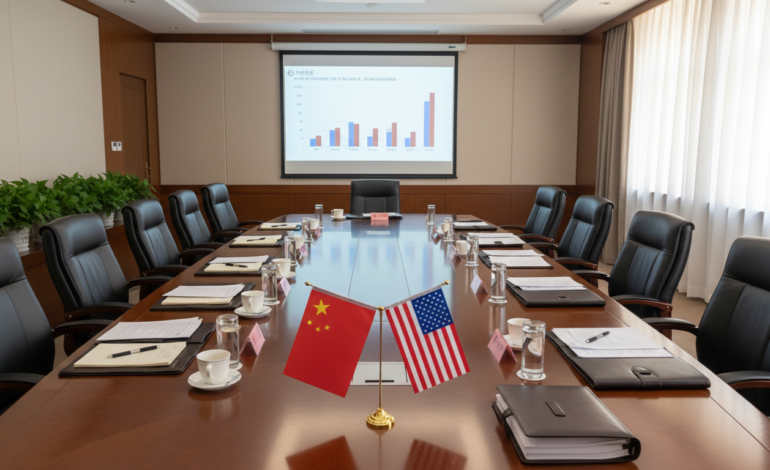
Diplomatic tensions are being priced into procurement decisions, because policy language can change the probability of a license being granted on time. Industry executives say the practical risk is not only a denial, but a slow review that forces factories to burn through buffers. In that context, China rare earth magnets shipments have become a proxy indicator for broader bilateral confidence, especially when official meetings coincide with tighter screening, a point echoed by Liaoning Carrier Drills Raise Japan Tension Levels carried by ChinaCrunch. Reuters linked the latest trade squeeze to frictions around export administration and wider strategic concerns in the region. Live monitoring has pushed companies to treat every customs release as a mini Update, then renegotiate delivery windows with Tier 1 suppliers. Regional security headlines also shape sentiment.
Global Implications of Export Changes
Outside Japan, the shock is rippling through EV and electronics supply chains that depend on high grade magnets for motors, sensors, and actuators. The keyword theme for analysts is india china rare earth magnets ev, because Indian manufacturers are trying to expand capacity while still leaning on Chinese processed materials. Companies are also parsing what export recovery means for quarterly output, since a partial rebound can still leave a sizable gap versus pre restriction flows. Reuters has described the situation as a squeeze on downstream users when shipments recover only partly. Today, several global buyers keep Live conference calls open with logistics providers to confirm container availability and reroute if a port is congested. An internal Update often triggers a temporary switch to alternative motor designs.
Future Outlook for China-Japan Trade
Forward planning is shifting from single supplier contracting toward multi corridor risk management, because even a small procedural change can upset month end deliveries. Executives in Tokyo say the near term priority is to secure predictable licensing and to build more transparent queues for export approvals. In the middle of those negotiations, China rare earth magnets supply will likely remain the main constraint on how fast Japanese firms can normalise inventories and restart deferred product launches. Reuters noted that exports have only partly recovered, which keeps the next quarter outlook dependent on administrative throughput rather than mining capacity alone. Today, firms are setting Live thresholds for stock cover and issuing an Update when buffers drop below target, while also expanding recycling and substitution programs where engineering allows.