Taiwan-US Tariff Deal Triggers Industry Fears and Beijing Backlash
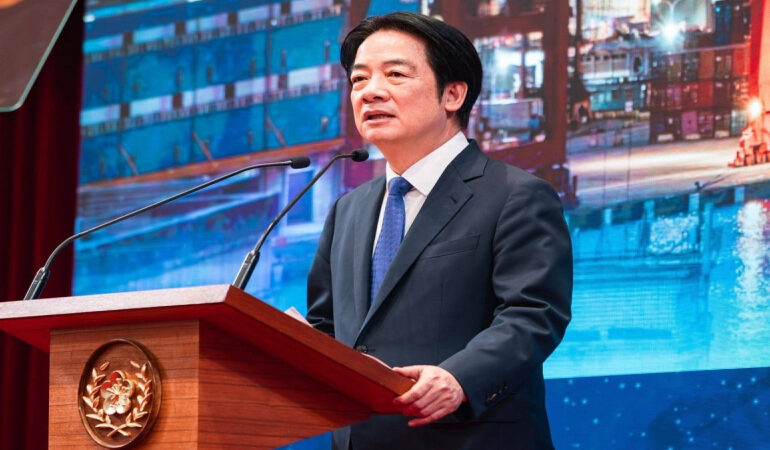
Taiwan’s government has welcomed a new trade arrangement with the United States that lowers export tariffs to 15 percent, presenting the outcome as a strategic breakthrough that strengthens the island’s global competitiveness and deepens high technology cooperation with Washington. After months of negotiations, officials in Taipei argue the deal places Taiwan on a similar footing with regional peers such as Japan and South Korea, particularly in advanced manufacturing and electronics. Supporters within the administration frame the agreement as a necessary step to secure long term access to the US market at a time of intensifying global trade fragmentation. The tariff cut is seen as offering near-term relief for exporters facing rising protectionism, while also reinforcing political and economic ties with Taiwan’s most important security partner. However, the agreement includes a significant commitment by Taiwan to invest heavily in the United States, a condition that has become the central point of domestic controversy.
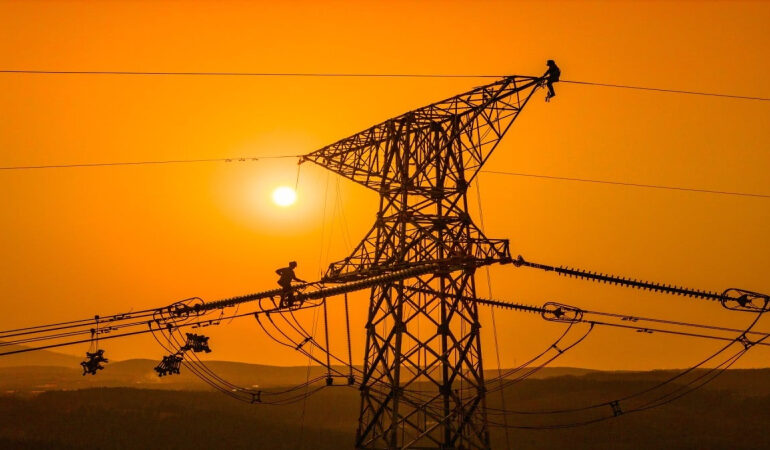
Opposition parties, industry analysts, and labor groups have warned that the scale of promised investment, estimated at up to US$500 billion, risks accelerating the hollowing out of Taiwan’s industrial base. Critics argue that large scale capital and production shifts toward the United States could undermine the island’s semiconductor ecosystem, long regarded as a cornerstone of its economic resilience and strategic value. Concerns focus on the potential loss of high value manufacturing, skilled jobs, and supply chain density if firms are incentivized or pressured to expand overseas capacity at the expense of domestic investment. While government officials insist that overseas expansion will complement rather than replace local operations, skeptics remain unconvinced, pointing to past cases where foreign investment commitments led to the gradual erosion of home based production. The debate reflects deeper anxiety about balancing security driven economic alignment with the need to preserve industrial sovereignty.
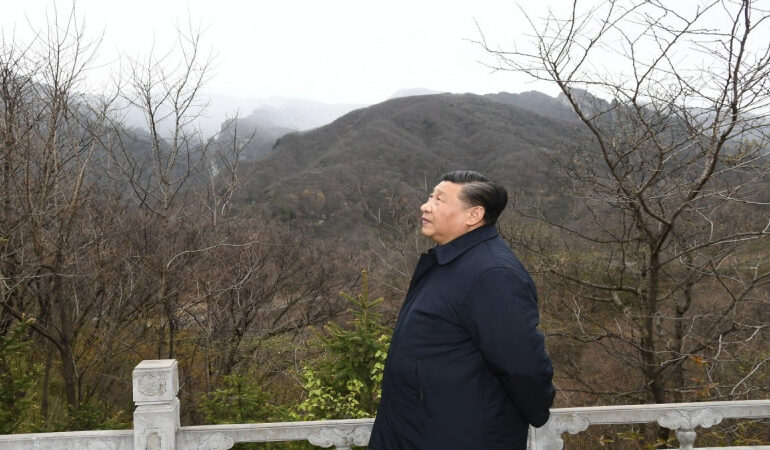
Beijing has reacted sharply to the agreement, framing it as both an economic and political provocation. Mainland officials have condemned the deal as an attempt by Washington to extract value from Taiwan’s core industries while using trade incentives to deepen dependence. Statements from Beijing have accused Taipei’s leadership of sacrificing long term development prospects under external pressure, warning that closer economic integration with the United States could weaken Taiwan rather than strengthen it. The response underscores how trade policy has become inseparable from cross strait tensions, with economic decisions increasingly interpreted through a geopolitical lens. As global supply chains realign under strategic pressure, Taiwan now faces a complex trade off between securing external market access and safeguarding its domestic industrial foundations, a dilemma that is likely to intensify as US-China rivalry deepens.