Tesla Seeks Regulatory Path for FSD in China
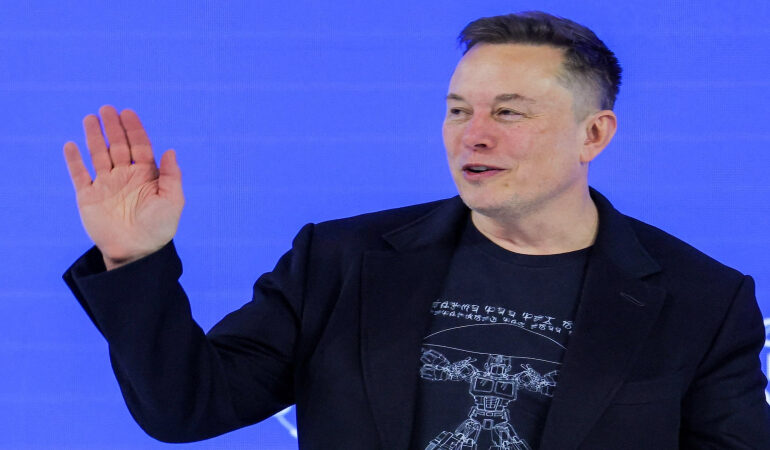
Tesla is expecting regulatory approval for its driver supervised Full Self Driving system in both Europe and China as early as next month, according to comments made by chief executive Elon Musk at the World Economic Forum in Davos. The push comes as Tesla looks to expand software based revenue streams amid slowing electric vehicle sales growth. In China, approval would mark a significant step in allowing wider deployment of advanced driver assistance systems within a tightly managed regulatory environment. FSD remains classified as a supervised feature that requires active driver attention, placing it within existing automotive safety frameworks rather than full autonomy. Tesla’s approach reflects an effort to work within regulatory boundaries while gradually scaling functionality across major markets rather than pursuing abrupt nationwide rollouts.
China’s regulatory process for vehicle automation has emphasised staged testing oversight and controlled deployment, particularly for systems that blur the line between assistance and autonomy. Tesla’s expectation of approval suggests confidence that its supervised model aligns with current policy priorities focused on risk management and accountability. Unlike fully autonomous ambitions, supervised systems allow regulators to retain clear responsibility structures while enabling incremental capability upgrades. This fits a broader pattern in China’s mobility strategy, where innovation is integrated into existing transport systems without undermining regulatory control. Approval would allow Tesla to compete more directly with domestic electric vehicle makers that are embedding similar assistance features into mass market models. The emphasis is less on novelty and more on reliability compliance and user discipline within dense urban traffic environments.
For China Crunch, the importance of the development lies in how automated driving is being absorbed into institutional frameworks rather than treated as a disruptive leap. Tesla’s China strategy illustrates how foreign technology firms must adapt to infrastructure first governance models that prioritise safety validation and system stability. While Musk continues to frame autonomy and robotics as long term growth drivers, near term progress depends on regulatory sequencing and operational credibility. The anticipated FSD approval underscores that in China, advanced mobility technologies advance through managed integration rather than frontier experimentation. Software capability alone is insufficient without alignment with policy timelines and oversight capacity. The outcome will shape how quickly automated driving becomes a routine feature within China’s electric vehicle ecosystem rather than a speculative promise tied to future autonomy narratives.